Event Graphics for Running Apparel: What Brands Should Consider Before Sampling and Bulk Production
- Share
- publisher
- HUCAI activewear
- Issue Time
- Nov 3,2026
Summary
Event graphics fail in bulk for development reasons, not design reasons. This guide explains how men's running apparel programs choose a print route by fabric and volume, reduce artwork to measured specification, anchor placement to grading points, sequence name and number data before cutting, and verify fastness, stretch recovery and adhesion against an approved standard.
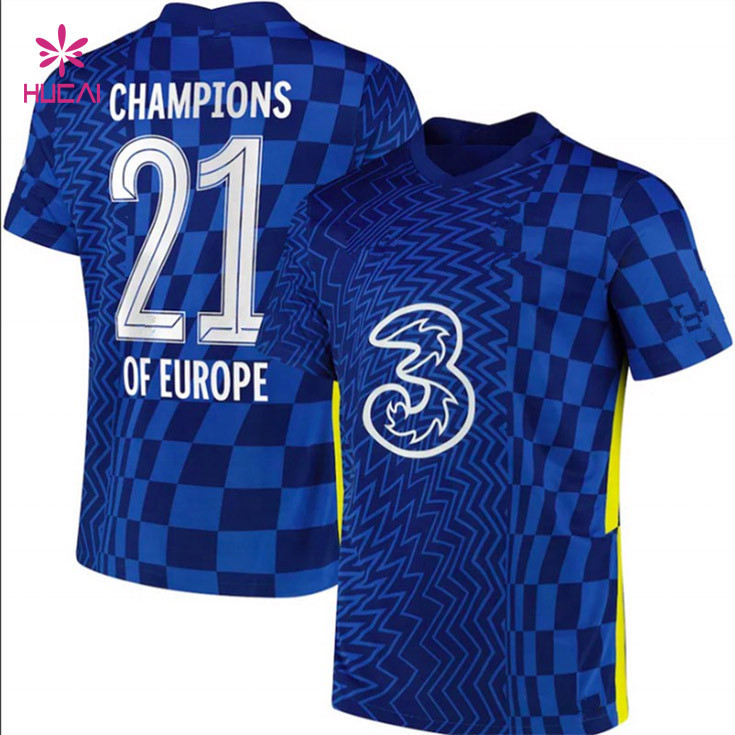
An event graphic looks like a design file. In production it behaves like a construction specification. The moment a race logo, sponsor lockup, date mark or athlete number moves from a PDF into a private label running program, it starts interacting with fabric composition, panel layout, seam positions, ink chemistry and the approval sequence between sampling and bulk.
That is why event-driven running ranges fail in predictable ways. The artwork is approved, the sample looks correct, and bulk arrives with a logo sitting two centimetres off the chest seam, a sponsor mark that cracks after five washes, or a name-and-number set that cannot be sequenced without a second print run. These are not design failures. They are development failures locked in before the sample was cut.
This guide is written from the factory side of that process. HUCAI activewear develops OEM and ODM men's running apparel where event graphics, fabric choice, pattern engineering and bulk inspection are confirmed together, and where a late graphic change is measured in cutting, printing and re-approval rather than in file revisions.
Quick Answer
Treat every event graphic as three decisions made in order: the print route dictated by fabric and run length, the artwork reduced to production-ready specification, and the placement locked to the pattern before sampling. Screen print, sublimation, DTG, heat transfer and silicone each change the hand feel, stretch behaviour and durability of the panel they sit on, so the route is chosen before the sample, not after. Approve a strike-off and a placement sample on the actual fabric, freeze the name-and-number list, then inspect the first bulk print against that standard with AQL 2.5 checkpoints.
Who This Article Is For
This is written for brand owners, product developers and sourcing managers building a run club kit, race-day capsule, charity event tee or sponsor-led training range in men's running apparel. It applies to growing brands producing a first event collection, established brands adding graphics to an existing block, and private label buyers repeating one graphic program across several events.
How This Guide Supports Your Development Decision
- You get a route-selection logic that matches print method to fabric, panel and run length before a sample is booked.
- You get the artwork specification a factory actually needs, so a file does not return three times for separation and registration fixes.
- You get the placement questions that decide whether a graphic can cross a seam, a panel or a stretch zone.
- You get the approval and inspection sequence that keeps bulk print consistent with the sample you signed off.
What Event Graphics Actually Include on a Running Garment
Observations across leading performance running brands show that event graphics are rarely a single logo. Tracksmith, Satisfy, Castore and Ten Thousand product lines typically combine a primary event or brand mark, a secondary sponsor lockup, a date or distance element, and often an athlete identifier on the back or sleeve. Each element carries a different size, colour count and durability requirement, and each may need a different route on the same garment.
Feedback across runner communities such as r/running and r/AdvancedRunning repeatedly raises the same complaints about event kit: a back print that feels like a plastic sheet in heat, a sponsor logo peeling at one corner after a season, numbers sitting low enough to rub under a hydration vest, and dark graphics on dark fabric that vanish in race photos. Those are predictable outcomes of route, placement and substrate decisions made early.
The commercial dimension matters too. An event program is ordered once, in a compressed window, against a date that cannot move, which makes graphics the least forgiving part: a fabric substitution is felt by the wearer, while a graphic error is visible to every spectator.
Five Print Routes and What Each Does to the Panel
The first decision is not the artwork. It is which route can deliver that artwork on that fabric at that quantity. Market analysis across premium men's training and running lines shows all five routes in active use, and the choice follows substrate and volume rather than brand preference.
Sublimation dyes polyester rather than layering ink on it, so it adds no hand feel and does not crack. It is the natural route for all-over graphics, gradients and multi-colour event patterns on polyester and polyester-spandex knits. Its limits are substrate and colour: it needs high polyester content, cannot be used on cotton-rich jersey, and bright colours on dark grounds need a base that changes stretch behaviour.
Screen printing is the most cost-efficient route for one to four spot colours at volume, and holds up well on cotton and cotton-blend tees. Plastisol sits on the surface and feels heavier over large areas; water-based inks penetrate further but depend on fabric absorbency. A large solid print across a lightweight performance knit is a common early-stage mistake, because the ink film reduces stretch and cracks along the panel edge.
DTG suits small runs and multi-colour or photographic artwork without screen setup, which makes it useful for limited event drops and sample-stage presentations. On dark garments it relies on pretreatment and a white underbase, so hand feel and wash behaviour have to be checked on the actual fabric.
Heat transfer and vinyl cover names, numbers, small sponsor marks and reflective elements. They are fast to apply, easy to personalise per athlete and easy to combine with a base print. The trade-off is adhesion: substrate stretch recovery, application temperature and the cut edge decide whether a mark stays flat through a season of washing.
Silicone and high-density print give a raised or matte dimension that reads as premium on a plain garment. They add weight and reduce local breathability, so they belong on small marks rather than across ventilation zones.
| Route | Best substrate | Typical use on event kit | Main risk to control |
|---|---|---|---|
| Sublimation | Polyester, polyester-spandex | All-over graphics, gradients, patterned singlets and tees | Colour shift on dark grounds; registration across panel seams |
| Screen print | Cotton, cotton blends, some synthetics with appropriate ink | One to four colour chest and back marks at volume | Ink film reducing stretch; cracking at panel edges |
| DTG | Cotton and cotton-rich jersey | Small drops, photographic or multi-colour artwork | Pretreatment consistency; hand feel on dark colours |
| Heat transfer / vinyl | Most knits, including performance synthetics | Names, numbers, sponsor marks, reflective details | Adhesion after repeated washing and stretch |
| Silicone / high density | Stable knits and wovens | Small premium marks, tonal branding | Local weight and reduced breathability |
In practice, an event singlet often carries two or three routes at once: sublimated body pattern, screen-printed or transferred sponsor lockup, and a heat transfer number. That combination has to be planned as a sequence, because the order of application affects registration, curing and final hand feel. At HUCAI activewear the fabric, trim and pattern libraries are referenced at this stage, so the route is matched to a substrate the program has already qualified rather than to a swatch chosen for the artwork alone.

Route also changes how the garment ages. Technical apparel merchandisers handling private label bulk production point out that a graphic which looks correct on a flat strike-off can read differently once the panel is under tension, particularly on a raglan or stretch side panel. The check is whether it still reads correctly at 15 percent extension, not whether it is sharp on the table.
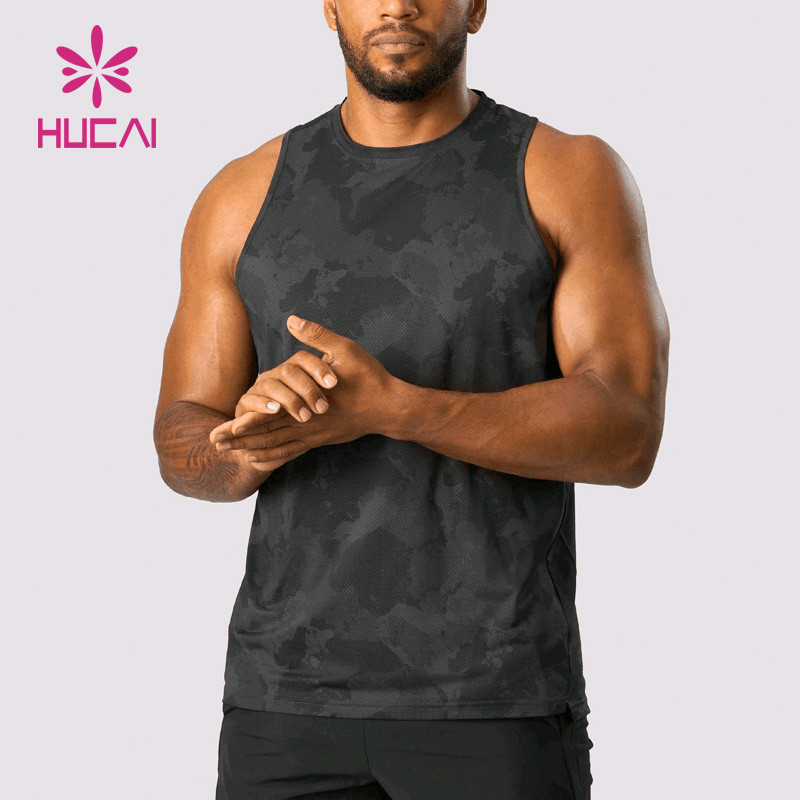
Artwork That Survives Production
Most graphic delays are not caused by design changes. They are caused by files that cannot be separated, scaled or measured. Print technicians in sportswear factories flag the same four issues at intake: raster artwork at screen resolution, colour given as a visual reference rather than a standard, dimensions described in relative terms, and no indication of what happens at a seam.
A production-ready file set includes vector artwork for every mark that will be screen printed or cut, with outlined type and a defined colour reference per element. Where the graphic is photographic or gradient-based, it must be supplied at physical print size at a resolution the route can hold, because a file prepared for a paper proof and stretched to a 32 cm back panel is not the same file.
Placement should be given as a measured position from a fixed reference, usually the high point of the shoulder, centre front or armhole seam, with a stated tolerance. Relative instructions such as centred on the chest leave the factory to interpret a 1 to 2 cm range, and that range is what produces a bulk dispute.
Colour needs a reference that survives a supply chain: a Pantone number for spot work, or a physical standard for process and sublimation work, viewed under a defined light source. Standard textile approval compares the submitted colour under D65 and a second source such as TL84, because a graphic matched under office lighting can shift visibly in race-day daylight.
Placement Is a Pattern Decision, Not an Artwork Decision
The most common cause of a rejected event graphic is a placement that ignores how the garment is cut. A print position drawn on a flat sketch assumes a flat surface. A running top is a set of panels joined with seam allowance, elastic recovery and, on technical styles, bonded or laser-cut edges. When a graphic crosses those joins, it has to be positioned in the pattern, not on the garment after sewing.
Experienced sportswear pattern makers consistently warn that a chest mark moved 10 mm to clear a seam can end up 4 mm off after grading, because shoulder slope and armhole depth change across the size run. The graphic has to be anchored to a pattern reference that grades consistently, and checked on the smallest and largest size rather than only the medium.
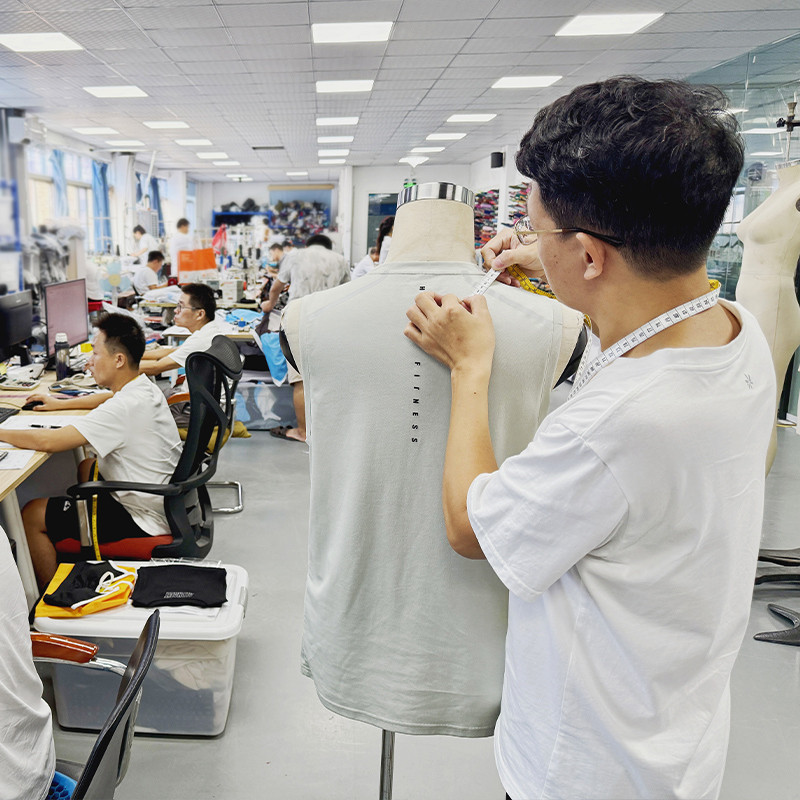
Stretch zones need separate treatment. A side panel, raglan sleeve or lower back panel carrying ventilation mapping extends and recovers differently from the front body. A rigid screen print across that zone will bridge and crack or restrict the panel. The practical answer is to keep large solid prints inside low-stretch areas and move graphics that must sit on a stretch panel to a route that follows the fabric, such as sublimation, or to a smaller transfer mark.
Reflective elements add a third constraint: their position is driven by visibility rather than composition, usually specified by height and angle. When an event logo sits beside a reflective band, the two should be planned as one placement block; moving the band later moves the logo with it.
This is where the pattern engineering desk at HUCAI activewear does most of its work on event programs: converting placement intent into pattern coordinates, checking it against grading, and confirming on a fit sample that the mark still sits where the brief intended.
Names, Numbers and Sponsor Marks at Bulk Volume
Personalisation is the part of event graphics that most often breaks a production plan, because it converts one graphic into hundreds of unique graphics. A name-and-number program needs a data file, not a design file: a list mapping each athlete to a size, name spelling, number and sponsor variant, in the sequence the line will consume it.
Technical apparel merchandisers managing event orders emphasise that the risk sits in sequencing rather than printing. If the list arrives after cutting, or in a different size order from the cutting plan, the line either stops or marks the wrong bundle. The fix is procedural: freeze the list before fabric is cut, sort it to the cutting and sewing sequence, and treat any later addition as a separate short run with its own approval.
Numbers and names are usually applied by heat transfer or vinyl because those routes personalise individual garments without a setup per unit. That makes adhesion the critical control: application temperature, dwell time and pressure are set for the actual fabric, and the mark is checked after a wash and after stretch, not only after pressing.
Where a program covers several events in one season, the efficient structure is a carryover garment with event-specific graphics. Keep the block, fabric and colourway stable and let the graphic layer change, which leaves fabric booking and grading untouched. HUCAI activewear builds these variants with the sample team so each event version is checked as a graphic change on an approved base rather than as a new style.
Fastness, Stretch and Hand Feel: What to Test
Event kit is worn hard and washed often, so the graphic has to be assessed as a performance feature. Industry test logic gives a practical checklist. Colour fastness to washing under ISO 105-C06 or AATCC 61 shows whether a print bleeds or fades across repeated home launderings. Fastness to rubbing under ISO 105-X12 or AATCC 8 shows whether a dark print transfers onto a light layer. Dimensional stability under ISO 6330 or AATCC 135 shows whether the printed panel shrinks differently from the unprinted one, which is how a graphic ends up puckered.
Stretch and recovery matter as much as colour on performance knits. Under ASTM D2594 test logic, a printed area that has lost elasticity shows elongation and poor recovery against the adjacent panel. That is why a printed chest can feel stiff after a few washes, and why ink film thickness and cure temperature are process parameters rather than preferences.
Hand feel is the least standardised and most decisive criterion. A print that passes every laboratory check can still fail commercially if it feels like a panel in heat. The practical test is comparative: print the candidate route on the actual fabric, wash it five times, then compare it against the unprinted panel by touch and drape.
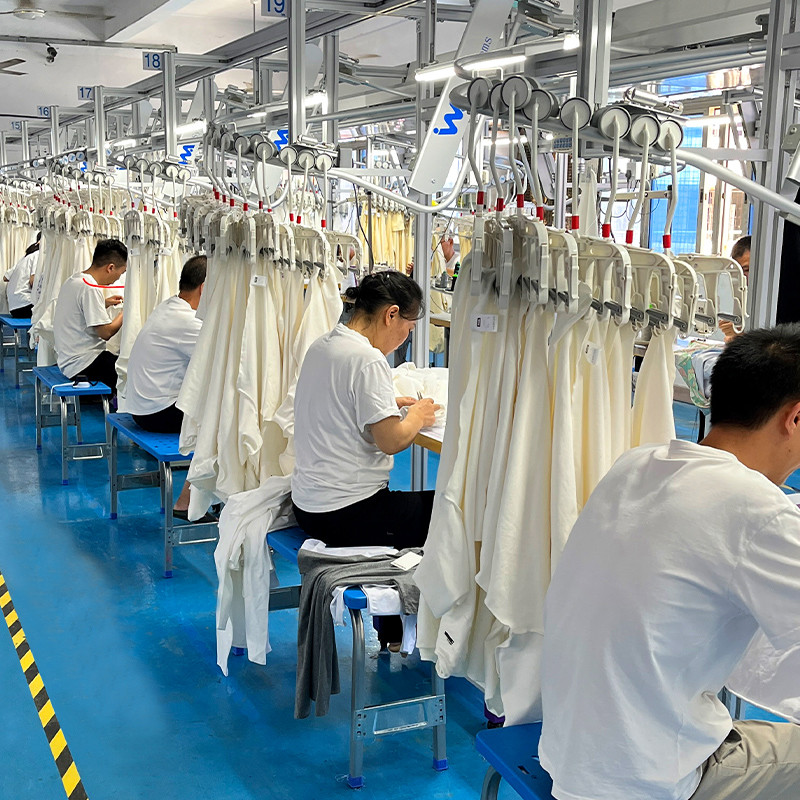
From Strike-Off to Bulk: the Approval Chain
A graphic program needs four approvals, and skipping any one moves the risk downstream. The first is the strike-off or print trial on the actual substrate, confirming colour, coverage, hand feel and, for sublimation, how the pattern reads on the fabric surface. Approving a print on a different fabric is the most common cause of a bulk colour argument.
The second is a placement sample: a sewn garment in the actual fabric and colourway, carrying the graphics in their specified positions, measured against the placement drawing and checked on a body. A flat print trial cannot show whether a mark clears the armhole or sits under a hydration vest strap.
The third is a pilot or first-off piece from the actual line, confirming that the sewing floor, print unit and transfer station reproduce the approved sample at line speed. Registration across a seam is usually where a pilot first diverges, because seam allowance and panel alignment shift when an operator works to a target.
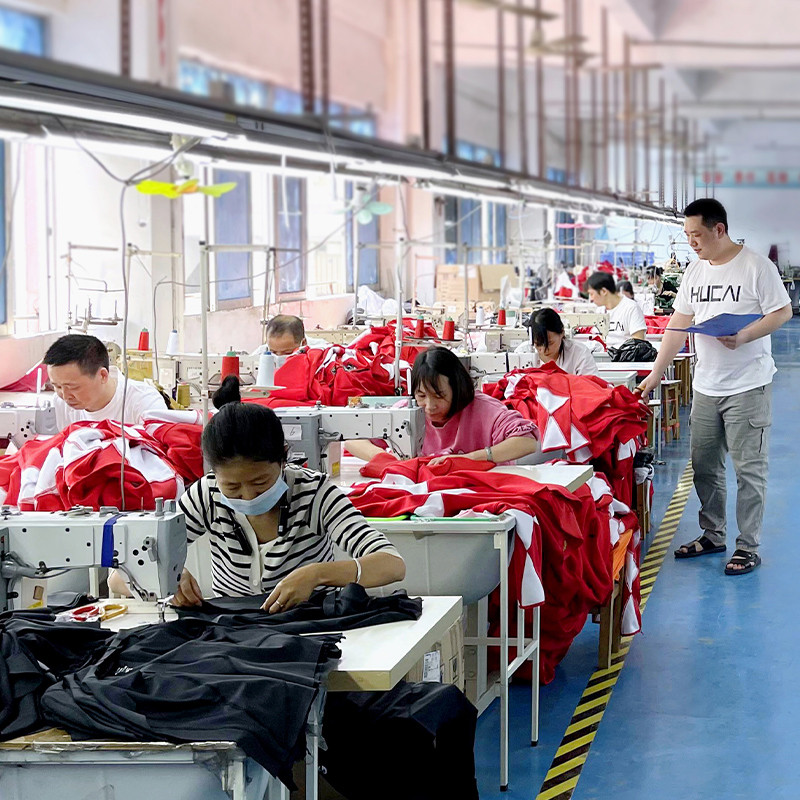
The fourth is the bulk inspection standard. Under AQL 2.5 inspection logic, print defects need defined acceptance criteria: position deviation beyond the stated tolerance, colour outside the approved standard, incomplete coverage, cracking, misregistration across a seam, and lifted transfer edges. Without written criteria the inspection becomes a judgement call, and judgement calls turn small deviations into shipment disputes.
HUCAI activewear coordinates these stages through the same development file, with print, pattern, sample and bulk checkpoints tracked against the confirmed specification, so the graphic that was approved is the graphic that is inspected. Production follow-up through the MES and ERP system does not replace the physical checks; it makes the sequence visible, so a missing approval is caught before the cutting ticket is released rather than after packing.
Founder's Insight: Jean Yuan on the Graphic That Looks Right on Paper
"A graphic is approved twice in a factory: once on paper, and once on the cutting table. Most of the problems I see are decided in the gap between those two moments."
As Jean Yuan, Founder of HUCAI activewear, points out from more than two decades of pattern, fabric and bulk production work, the difficult part of event graphics is rarely the artwork. It is the assumption that a print position drawn on a flat sketch survives grading, panel shrinkage and seam allowance without moving.
"A brand sends a chest mark centred between collar and hem, and on the medium it looks correct," he says. "On the small, the armhole has moved up and the mark crowds the sleeve seam; on the large, the same measurement sits lower than the brief intended. Nothing was printed wrongly. The reference point was not a grading point."
His second warning concerns route timing. "Sublimation is chosen for a gradient, then the fabric becomes a cotton blend late in development. The gradient cannot follow it. Now the program needs a four-colour screen print with a base, and both cost and feel differ from what was quoted."
The trade-off he returns to is graphic ambition against repeatability. "Programs that run cleanly choose the route while the fabric is still open, place the mark on a reference that grades, and approve the print on the cloth that will actually be cut. It is less exciting in a presentation, but it is the difference between one sample round and three."
Decision Check: Seven Points Before You Commit
Use this list before a graphic program moves from concept to sample booking. These are also the points HUCAI activewear checks in a development review, and a no is cheaper to resolve before cutting.
| Check | What good looks like |
|---|---|
| Substrate and route | The route is chosen against the confirmed fabric composition, not the artwork alone, and has been trialled on that fabric. |
| Artwork format | Vector or correctly sized raster, outlined type, defined colour reference per element, stated minimum legible sizes. |
| Placement reference | Every mark measured from a named grading point with a stated tolerance, verified on the smallest and largest size. |
| Seam and panel interaction | Graphics crossing a seam are positioned in the pattern, with registration called out for sewing and print. |
| Stretch zones | Large solid prints stay off high-extension panels, or move to a route that follows the fabric. |
| Personalisation data | Name and number list frozen before cutting, sorted to the cutting and sewing sequence, treated as a controlled document. |
| Approval and inspection | Strike-off, placement sample, pilot and bulk criteria written down, with AQL 2.5 checkpoints covering position, colour, coverage and adhesion. |
FAQ
What is the difference between event graphics and normal branding on running apparel?
Event graphics are date-bound and multi-party: an event mark, sponsor lockups, a date or distance element and athlete identifiers on one garment, usually ordered once against a fixed date. Normal branding is a repeatable mark on a carryover style. The difference is that event graphics need frozen artwork and data before cutting.
Which print method suits a race singlet?
It depends on fabric and artwork. All-over patterns, gradients and photographic graphics on polyester singlets are normally sublimated. A small sponsor lockup or single-colour event mark can be screen printed or transferred at lower cost. Many programs combine a sublimated body with transferred names and numbers, so the sequence is planned as one process.
Can a logo cross a seam?
It can, but only if the placement is engineered into the pattern and registered at sewing. A mark crossing a side seam, raglan seam or armhole binding moves with panel alignment and seam allowance, so the position is set in the pattern and checked on a sewn sample.
How do we handle names and numbers for a multi-event program?
Freeze the athlete data before cutting, sort it in the same order as the cutting and sewing plan, and apply marks by heat transfer or vinyl so each garment is personalised without a per-unit setup. Treat late additions as a separate short run with its own approval.
What should we send before requesting a sample and quotation?
Fabric direction or composition, artwork in a production-ready format with colour references, intended placement with a grading reference, the personalisation requirement, the event date and expected quantity per size. With those items a factory can propose a route and quote against a real process.
What is the minimum order for a custom event graphic program?
MOQ starts from 200 pcs per style, and the confirmed number depends on fabric, colour, size range and print method, since screen printing, sublimation and transfer carry different setup.
How do we stop a print from cracking after washing?
Three controls matter: keep large solid ink films off high-stretch panels, cure to the ink manufacturer's specification rather than to a visual check, and test the printed panel for stretch recovery and washing before bulk. If the artwork needs full coverage on a stretch panel, move the route to sublimation rather than adding ink thickness.
Final Takeaway
Event graphics on running apparel are a development decision with a visible outcome. The route follows the fabric, the file is reduced to measured specification, the placement belongs in the pattern, personalisation is sequenced before cutting, and the approved standard survives into bulk inspection. Get those five in order and the graphic becomes a controllable part of the program.
For brands planning a race, club or sponsor-led range, the useful sequence is: confirm fabric, trial the route, engineer the placement, freeze the data, then approve against written criteria. That order is the cheapest, because every step is still changeable.
Next Steps
If your tech pack and artwork are ready
Share the fabric specification, artwork files and placement intent, and the team can confirm the route, sample plan and print risks before a cutting date is set. Start through the contact page or review OEM men's sportswear support for programs with confirmed specifications.
If you have event direction but no technical pack
Bring reference images, the event mark and the target quantity. Development support through ODM men's sportswear development covers fabric, fit, graphic route and sample planning, and the men's running apparel collection shows the base blocks those graphics are built on.
If you are still comparing options
Review custom running apparel manufacturing, the fabric selection guide and the FAQ page before sending an inquiry, so the first conversation starts from a real specification.
Trust Note
This article is written by HUCAI activewear, a B2B men's activewear manufacturer supporting OEM, ODM, private label, sample development and bulk production for men's running, training and gym wear programs. The sequence described reflects how graphics are handled inside a working sample room and sewing floor, and is offered as development guidance rather than a performance guarantee. Each program is confirmed against the actual fabric, artwork and quantity before a quotation or delivery date is set.
Related Reading
- Men's Run Club and Relay Capsule Development: Event Tees, Singlets, Shorts and Lightweight Layers
- Race Day vs Training Day Men's Running Tops: Fabric Weight, Fit, Ventilation and Durability
- How to Plan a Men's Running Race Kit Collection for Private Label Activewear Brands
- Men's Gym T-Shirts Development