How Compression Level, Fabric Recovery, and Seam Placement Affect Men's Compression Wear Development
- Share
- publisher
- HUCAI Activewear
- Issue Time
- May 20,2026
Summary
A B2B guide for private label activewear brands developing men's compression wear. Learn how compression level, fabric recovery, opacity, waistband pressure, gusset, seam placement, and sample-to-bulk consistency affect development.
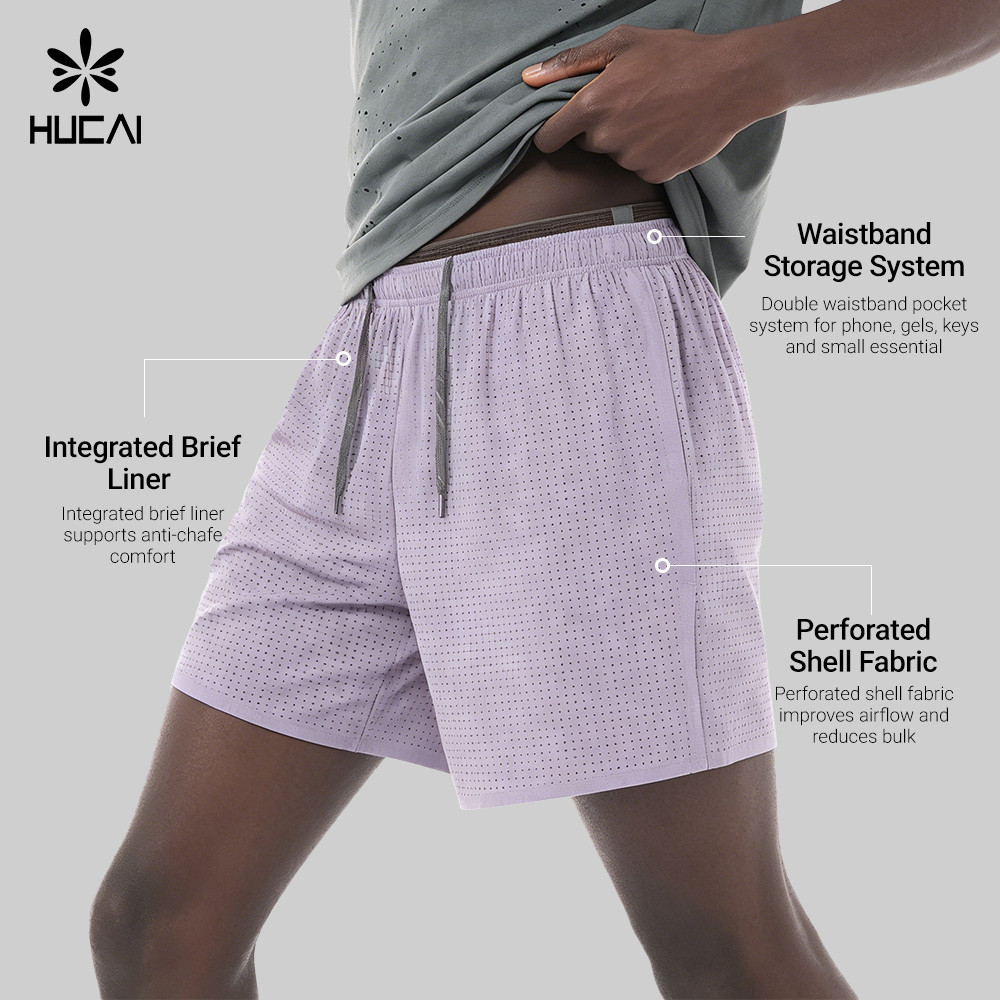
Men's compression wear development is not simply about making garments tighter. For private label activewear brands, custom men's compression tights, compression shorts, and base layer leggings need to balance compression level, fabric recovery, opacity, waistband pressure, seam placement, and sample-to-bulk consistency. As a men's activewear manufacturer, HUCAI activewear helps buyers review these details before OEM or ODM development moves too quickly into sampling or bulk planning.
The main risk is simple: a compression sample can look technical in photos but feel wrong in movement. If the fabric loses recovery, the waistband digs in, the gusset pulls, or the inner seam creates friction, the product will not support gym training, running, or base layer use properly.
Quick Answer
Men's compression wear development should begin with product role and compression level. Before discussing MOQ, quotation, sample cost, or bulk production, brands should confirm whether the product is intended for gym training, running, base layer use, warm-up, recovery styling, or hybrid activewear.
The most important technical points are fabric stretch and recovery, squat opacity, waistband pressure, gusset shape, seam placement, anti-chafe construction, coverage, pocket needs, logo method, and how the approved sample can be repeated in bulk production.
Table of Contents
Who This Article Is For
This article is written for private label men's activewear buyers, growing gym wear brands, startup compression wear brands, and established brands preparing to develop men's compression tights, compression shorts, or base layer leggings.
It is especially useful if your team has reference images but has not fully confirmed fabric weight, stretch direction, compression feel, waistband structure, gusset, pocket placement, seam construction, or logo method. If your team already has a complete tech pack, this guide can also work as a sample review checklist before OEM sample-to-bulk production.
Trust Strip: What Buyers Should Get From This Guide
- A clearer way to choose compression level without making the garment too tight or uncomfortable.
- A practical checklist for fabric recovery, opacity, waistband pressure, gusset shape, and seam placement.
- A better understanding of why compression wear samples should be tested in movement, not only reviewed flat.
- A more structured path for discussing compression tights or shorts with a private label activewear manufacturer.
1. Compression Level Is a Product Role Decision
Compression level should be chosen based on product role, not trend language. A base layer tight, a gym compression short, and a running compression tight may all look similar, but they should not feel the same on the body.
Light compression can work for base layer use, warm-up, daily training, or gym-to-street layering. Medium compression often works better for gym training, running, functional fitness, and hybrid activewear. Firmer compression may be suitable for brands that want a more supportive performance feel, but it requires more careful control of fabric recovery, waistband pressure, coverage, and seam comfort.
Compression wear should not be described with medical performance claims unless the product is specifically developed, tested, and positioned for that purpose. For most private label activewear projects, it is safer and more accurate to discuss support, fit stability, movement comfort, coverage, and fabric recovery.
Decision Check: Which Compression Direction Fits Your Brand?
| Compression Direction | Best For | Main Development Focus |
|---|---|---|
| Light compression | Base layer, warm-up, daily training, low-pressure comfort | Breathability, stretch recovery, soft handfeel, easy movement |
| Medium compression | Gym training, running, functional fitness, hybrid use | Support, opacity, waistband stability, seam comfort |
| Firm compression | Performance training and high-support activewear positioning | Pressure control, recovery, gusset shape, anti-chafe construction |
| Compression shorts | Gym, under-layer use, anti-chafe support, warm-weather training | Inner thigh seam, waistband, inseam, coverage, liner or standalone use |
| Compression tights | Running, base layer, cold-weather training, gym performance | Opacity, gusset, pocket placement, fabric recovery, size grading |
If your brand is still comparing compression levels, it can be useful to review the logic behind low-compression activewear development. The goal is to understand when softer compression may create a better product experience than a tighter fit.
2. Fabric Recovery Matters More Than Simple Stretch
Many buyers focus on stretch percentage first. Stretch is important, but recovery is often more important for compression wear. A fabric can stretch well during fitting but still lose shape after repeated movement, washing, or long wear.
Fabric recovery affects how the garment holds the thigh, hip, waist, and knee areas. Poor recovery can lead to bagging, sliding, curling at the waistband, or uneven compression pressure. For men's compression tights and shorts, this can quickly make the product feel less technical.
Common fabric options may include nylon-spandex, polyester-spandex, or blended performance knits. The right choice depends on handfeel, GSM, stretch direction, opacity, moisture management, pilling resistance, surface texture, printing needs, and target price position.
Product Development Notes
- 4-way stretch: Useful for movement, but recovery after stretch must also be reviewed.
- GSM: Heavier fabric may improve coverage, but it can feel too warm if breathability is weak.
- Surface texture: Smooth, brushed, ribbed, or micro-textured surfaces can change both handfeel and positioning.
- Moisture management: Important for running, gym training, and base layer use.
- Color behavior: Dark colors may hide transparency better, but opacity still needs movement testing.
Brands can review custom men's quick-dry compression tights as a product reference for how stretch knit fabric, panel design, waistband control, and training use can be combined in one compression bottom.
3. Opacity, Coverage, and Base Layer Use
Opacity is a common risk in men's compression wear. A fabric that looks opaque on the table may become more transparent during squats, lunges, stretching, or running movement. This is especially important when the garment is worn as a standalone tight instead of an under-layer.
Coverage also depends on front rise, back rise, gusset shape, panel layout, and fabric recovery. For men's base layer leggings, the product may be worn under shorts, joggers, or outdoor layers. For standalone compression tights, the garment needs stronger visual coverage and better movement security.
Before sampling, brands should define whether the product is:
- A base layer tight for running, cold-weather training, or outdoor layering
- A gym compression tight worn alone or under shorts
- A compression short for training, anti-chafe support, or inner-layer use
- A hybrid compression product for both training and running
For broader category planning, the men's base layer leggings and compression tights category can help buyers compare how compression bottoms may be positioned for running, cycling, gym workouts, and training use.
If your project is specifically focused on base layer function, men's base layer leggings for training and running can also support long-tail product research and internal linking for compression wear development.
4. Waistband Pressure, Gusset, and Fit Stability
The waistband can make or break a compression bottom. If it is too loose, the garment slides during movement. If it is too tight, it creates pressure and discomfort. If the elastic recovery is poor, the fit may change after wear and washing.
A wider waistband can improve support, but it must match the fabric weight and compression level. A narrow waistband may feel lighter, but it can roll or dig in if the pattern is not balanced. Drawcords, hidden elastic, silicone grip, and internal waistband structures should all be chosen based on the product role.
The gusset is equally important. A well-designed gusset can improve crotch comfort, reduce pulling, and support multi-directional movement. For men's compression shorts and tights, gusset shape affects squats, running stride, sitting comfort, and under-layer use.
Common Early-Stage Issue
In many early-stage men's compression wear projects, the buyer focuses heavily on fabric and logo placement but does not define waistband pressure or gusset structure clearly enough. The first sample may look close to the reference image, but movement testing reveals rolling, pulling, or discomfort.
This is why HUCAI activewear usually treats waistband, gusset, fabric recovery, and seam placement as connected development details instead of separate checklist items.
Mid-Article CTA: Have Specs or Only Reference Images?
If your brand already has confirmed measurements, fabric specifications, compression level, logo artwork, size range, and packaging requirements, your project may be ready for OEM sample-to-bulk support.
If you only have reference images, target use, desired compression feel, waistband preference, or a rough product idea, ODM development support may be more suitable. The first step is to turn those references into a clearer fabric, fit, and sample brief.
5. Seam Placement and Anti-Chafe Construction
Seam placement is one of the most important details in compression wear development. A seam that looks clean on a flat sample may feel uncomfortable during repeated movement. Inner thigh seams, side seams, pocket seams, waistband seams, and gusset seams all need review.
Flatlock seams can help reduce bulk and friction, but they still need correct placement. If a seam crosses a high-friction area, the wearer may feel rubbing during running, cycling, squatting, or long training sessions. If the seam is placed poorly around the crotch or inner thigh, the product may fail even if the fabric is good.
For compression tights with side pockets, pocket position adds another layer of complexity. A phone pocket may be useful, but it can pull the fabric, distort compression pressure, or create seam discomfort if the pocket panel is not balanced correctly.
Product Development Notes
- Inner thigh seam: Review friction risk during running and repeated leg movement.
- Flatlock construction: Useful for comfort, but still depends on seam path and tension.
- Gusset seam: Affects crotch comfort, stride freedom, and squat movement.
- Side pocket seam: Must balance phone storage with compression stability.
- Logo placement: Heat transfer, reflective print, or printed panels should not interfere with stretch zones.
6. Sample Review and Bulk Consistency
Compression wear samples should be reviewed in movement. A flat-lay review or model photo is not enough. Brands should test squats, lunges, running movement, sitting, stretching, waistband pressure, pocket use, and fabric recovery after wear.
Sample feedback should be specific. Instead of saying "make it tighter" or "make it more comfortable," it is better to identify where the fit problem happens: waistband, thigh, crotch, knee, ankle, seat, seam path, or pocket panel. This helps the development team revise the pattern, fabric choice, or construction details more clearly.
Manufacturer Insight
HUCAI activewear supports men's compression wear projects through OEM/ODM development, fabric and trim confirmation, sample adjustment, quality checkpoints, and production follow-up. For compression tights and shorts, the goal is not only to make one approved sample, but to make the approved construction repeatable in bulk production.
Once fabric, trims, pattern, measurements, logo placement, waistband structure, and seam construction are confirmed, AQL 2.5 inspection logic and MES / ERP order and production tracking can support clearer follow-up across production stages. These systems do not remove the need for good product decisions, but they help reduce avoidable misunderstandings after sample approval.
For a broader view of gym wear customization, custom gym wear development support can help connect compression wear with men's T-shirts, training shorts, tank tops, and performance tops inside a larger private label activewear line.
Market Notes: How Compression Wear Direction Changes by Market
In the U.S., men's compression wear often connects with gym training, bodybuilding, base layer use, and performance activewear. Compression shorts and tights may be developed as under-layers, training products, or hybrid gym-running pieces.
In the U.K., compression wear may fit into clean training wear, running base layers, football-inspired training, and hybrid gym wear. In Nordic and Western European markets, cold-weather layering, durable running tights, base layer leggings, and muted technical basics may be more relevant. In Australia, lightweight, breathable compression for warm-weather training, running, and gym-to-street crossover can be especially useful.
These differences should influence fabric weight, compression level, waistband structure, color direction, pocket placement, and whether the product is worn alone or under another layer.
FAQ: Men's Compression Wear Development
1. What should brands confirm before developing men's compression wear?
Brands should confirm the product role, compression level, fabric direction, stretch and recovery expectations, opacity, waistband structure, gusset shape, seam placement, pocket needs, logo method, size range, packaging requirements, and whether the garment is for standalone wear or base layer use.
2. Is higher compression always better for men's training tights?
No. Higher compression is not always better. If the garment is too tight, it can restrict movement, create waistband pressure, increase seam friction, or feel uncomfortable during longer wear. The right compression level depends on use case, fabric recovery, body coverage, and target customer preference.
3. What is the difference between compression shorts and compression tights?
Compression shorts usually focus on gym training, under-layer use, warm-weather activity, and anti-chafe support around the thigh. Compression tights provide more leg coverage and are often used for running, base layer layering, cold-weather training, or full-leg support. Both require careful review of fabric recovery, waistband pressure, gusset, and seam placement.
4. Why does fabric recovery matter in compression wear?
Fabric recovery affects whether the garment returns to shape after stretching. If recovery is weak, the compression bottom may bag at the knee, thigh, seat, or waistband after movement. Good recovery helps maintain fit stability, visual structure, and a more consistent wearing experience.
5. How can brands reduce see-through risk in men's compression tights?
Brands can reduce see-through risk by reviewing fabric GSM, knit structure, color, stretch direction, opacity under movement, and final use case. Squat testing and stretch testing are important because a fabric may look opaque when flat but become more transparent during movement.
6. What waistband construction works best for compression bottoms?
The best waistband depends on compression level, fabric weight, product role, and target fit. Wide waistbands can provide stronger support, while lighter waistbands may feel more comfortable for base layer use. Elastic tension, rise, drawcord, and recovery should be reviewed together during sampling.
7. Can we develop men's compression wear without a tech pack?
Yes. If you do not have a complete tech pack, prepare reference images, target use, desired compression level, fabric preference, waistband direction, pocket needs, logo method, and size range. An ODM development path can help organize these details into a clearer sample brief.
8. What affects MOQ and quotation for custom men's compression tights?
MOQ and quotation can be affected by fabric availability, color customization, compression level, pocket complexity, gusset construction, seam method, logo technique, packaging requirements, size range, and order quantity. A simple base layer tight is usually easier to quote than a compression tight with custom panels, side pockets, reflective details, and multiple trims.
Final Takeaway
Men's compression wear development should not begin with the idea that tighter is always better. The stronger approach is to define the product role first, then align compression level, fabric recovery, opacity, waistband pressure, gusset structure, seam placement, and sample review standards.
For private label activewear brands, the goal is to develop compression tights or shorts that feel supportive in movement, match the target market, and can move from sample approval to stable bulk planning with fewer avoidable changes.
Ready to Develop Custom Men's Compression Wear?
If your brand already has tech packs, measurements, fabric specifications, artwork, and packaging details, send your documents for OEM sample-to-bulk support.
If you are still developing the product direction, send your reference images, target market, desired compression level, fabric preference, waistband direction, pocket needs, and logo requirements. HUCAI activewear can help organize those details into a clearer ODM development path before sampling.
Contact HUCAI activewear to start your men's compression wear project.
Related Paths
Footer Trust Notes
HUCAI activewear supports private label men's activewear projects with OEM/ODM development, fabric and trim customization, sample review, quality checkpoints, and production follow-up. For compression wear, this means helping buyers connect product role, fabric recovery, fit stability, seam comfort, and bulk planning before production begins.