How to Build Men's Gym-to-Street Activewear Basics: Performance Tees, Lined Shorts, Joggers, and Hoodies
- Share
- publisher
- HUCAI Activewear
- Issue Time
- May 28,2026
Summary
A B2B guide for private label activewear brands building men's gym-to-street basics. Learn how to plan performance tees, lined shorts, joggers, hoodies, fabric families, fit progression, color story, and sample sequence.
Men's gym-to-street activewear is not just gym clothing with a cleaner logo. For private label activewear brands, a custom men's activewear basics line needs clear SKU roles, fabric family, fit progression, color story, and sample sequence. As a men's activewear manufacturer, HUCAI activewear helps buyers turn performance tees, lined shorts, joggers, hoodies, and track pants into a more coherent OEM or ODM development plan.
The challenge is that gym-to-street products must work in two directions at once. They need enough function for training, movement, and repeated wear, but they also need enough comfort, styling restraint, and fabric handfeel for daily use, travel, recovery, and off-duty dressing.
Quick Answer
A men's gym-to-street activewear basics line should usually start with 3 to 6 core SKUs: a performance T-shirt, lined or linerless training short, jogger or sweatpant, hoodie or quarter-zip, track pant, and optional lightweight jacket depending on the target market.
The key is not adding more products. The key is making each product serve a clear role. A performance tee should support movement and daily wear. A lined short should balance coverage, storage, and quick-dry comfort. A jogger should move from workout to recovery. A hoodie or track pant should complete the capsule without making the line feel too casual or too heavy.
Table of Contents
Who This Article Is For
This article is written for growing men's activewear brands, startup private label buyers, and established brands planning to upgrade their men's basics line with a stronger gym-to-street direction.
It is especially useful if your team has reference images for tees, shorts, joggers, and hoodies, but has not yet confirmed the fabric family, fit direction, color story, logo system, sample sequence, or full tech pack. If your team already has confirmed specs, this guide can also help review whether the collection structure is ready for OEM sample-to-bulk production.
Trust Strip: What Buyers Should Get From This Guide
- A clearer way to build a men's activewear basics capsule without turning it into a random product list.
- A practical method for choosing first-round SKUs before sampling too many styles at once.
- A better understanding of how fabric family, fit progression, and color story affect collection consistency.
- A more structured path for discussing OEM or ODM development with a men's athleisure manufacturer.
1. Define Product Role: Train, Move, Recover, Daily Wear
Gym-to-street activewear should not be a vague mix of workout clothing and casual basics. It should be built around clear product roles. Each style should answer a specific question: what does this product do for the customer, and where does it sit in the collection?
A training tee may need moisture management, stable neckline construction, and enough recovery for repeated workouts. A lined short may need quick-dry fabric, waistband stability, phone storage, and anti-chafe construction. A jogger may need stretch, pocket security, and a clean leg silhouette. A hoodie may need comfortable fabric weight and layering structure without feeling bulky.
Before choosing fabrics or sampling references, define your collection in one sentence. For example:
- A 3-piece men's activewear basics capsule for gym, recovery, and daily wear.
- A warm-weather gym-to-street line built around breathable tees and lined shorts.
- A premium performance lifestyle line with tees, joggers, hoodies, and track pants.
- A clean training basics collection for brands that want less visual noise and stronger everyday wearability.
If your brand is building this type of line, men's athleisure development support is the most relevant path because gym-to-street basics need both athletic function and daily comfort.
2. Build the Core SKU Map
A strong basics capsule does not need to begin with a large number of products. For many growing brands, the first question is not "How many styles can we add?" but "Which styles define the collection?"
The most practical men's gym-to-street capsule usually begins with a performance tee, an active short, and a jogger. A hoodie, track pant, or lightweight layer can be added once the first fit and fabric direction is clear.
Core SKU Roles
| SKU | Role in the Capsule | Key Development Details |
|---|---|---|
| Performance T-shirt | Training, movement, daily wear, first-layer styling | Fabric weight, neckline stability, shoulder width, sleeve shape, shrinkage control |
| Lined active short | Gym, warm-weather training, all-day active use | Inseam, liner length, waistband, phone pocket, quick-dry shell, anti-chafe seams |
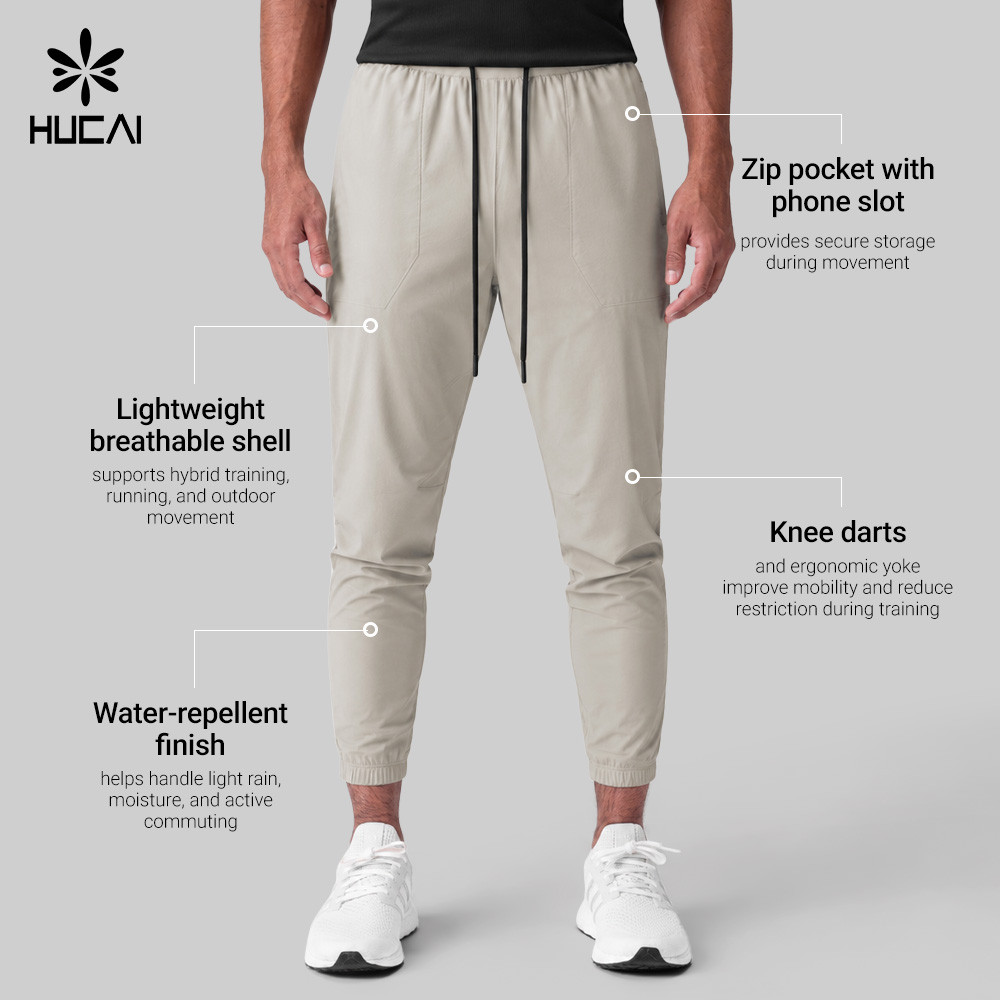
| Jogger or sweatpant | Recovery, travel, gym-to-street bottoms | Tapered leg, waistband, cuff, zip pocket, fabric recovery, handfeel |
| Hoodie or quarter-zip | Layering, pre-workout, recovery, everyday styling | Fabric thickness, hood or collar structure, rib, zipper, pocket, shoulder fit |
| Track pant | Training set, casual set, clean active lifestyle | Leg silhouette, waistband, side pocket, fabric surface, set consistency |
| Lightweight jacket | Travel, running, outdoor movement, transitional layering | Shell fabric, ventilation, pocket system, packability, water-repellent direction |
Decision Check: Which Gym-to-Street Capsule Should Your Brand Start With?
| Capsule Type | Best For | Recommended SKU Mix |
|---|---|---|
| 3-piece basics capsule | Startup brands testing first direction | Performance tee, lined short, jogger |
| 5-piece activewear capsule | Growing brands planning a stronger launch | Tee, short, jogger, hoodie, track pant |
| Warm-weather capsule | Australia, U.S. summer, resort gym, outdoor training | Breathable tee, lightweight short, tank, light jogger |
| Premium basics line | U.K., Nordic, Western European clean activewear brands | Minimal tee, clean short, tapered jogger, quarter-zip |
| Full gym-to-street line | Established brands with wider launch capacity | Tops, shorts, joggers, hoodies, jackets, tracksuits |
If your brand has references but not a final SKU plan, ODM support for activewear capsule planning can help turn product ideas into a clearer sample sequence before development begins.
3. Choose Fabric Families for Performance and Daily Comfort
Fabric family is one of the most important details in gym-to-street activewear. The collection may use different fabrics, but the fabrics should still feel connected through handfeel, weight, color behavior, stretch, and function.
A performance tee may use a moisture-wicking knit or soft technical blend. A lined short may use stretch woven shell fabric with quick-dry function. A jogger may use French terry, fleece, or smooth performance knit. A hoodie may use midweight fleece, French terry, or a soft double-knit structure. These fabrics do not need to be identical, but they need to belong to the same product world.
A common early-stage issue is that brands choose each SKU separately. The tee feels technical, the short feels sporty, the jogger feels too casual, and the hoodie feels too heavy. When samples arrive together, the line feels disconnected even if each product looks acceptable alone.
Product Development Notes
- Performance tee: Review fabric weight, moisture management, shrinkage, neckline recovery, shoulder width, sleeve shape, and logo compatibility.
- Lined short: Review shell stretch, liner coverage, waistband stability, pocket depth, quick-dry behavior, and anti-chafe seam placement.
- Jogger: Review fabric recovery, tapered leg, waistband, cuff structure, zip pocket, and post-wash shape retention.
- Hoodie: Review fleece or French terry weight, hood structure, rib quality, kangaroo pocket, zipper, and layering comfort.
- Track pant: Review fabric surface, leg silhouette, pocket system, waistband structure, and set consistency.
For product-level research, brands can also review men's activewear product categories to compare T-shirts, shorts, joggers, hoodies, jackets, tracksuits, tanks, and compression products inside one wider line.
4. Plan Fit Progression Across Tops and Bottoms
Gym-to-street activewear needs a fit system. A performance tee, oversized gym tee, lined short, jogger, hoodie, and track pant should not all use the same fit logic, but they should still feel like they come from one brand.
Fit progression means controlling how products relate to each other. A tee can be regular fit for training, relaxed fit for all-day wear, or oversized for gym culture. A jogger can be tapered for clean styling, relaxed for recovery, or performance-focused for training. A hoodie can be slightly oversized, but it should still layer correctly over the tee without making the outfit feel unbalanced.
Brands should define fit direction before sampling:
- Regular, relaxed, oversized, boxy, or muscle fit for T-shirts
- 5 inch, 7 inch, or longer inseam direction for shorts
- Lined, linerless, or compression liner construction for shorts
- Tapered, straight, or relaxed leg silhouette for joggers and track pants
- Layering allowance for hoodies, quarter-zips, and jackets
- Consistent size grading across the full capsule
For the top half of the collection, custom men's performance T-shirts can support different directions such as training tees, running tees, fitness tees, casual sports tees, and all-function sports tops.
For the shorts side, custom men's lined shorts for gym-to-street use are especially relevant when the capsule needs one bottom that can move between training, warm-weather wear, and daily active use.
5. Align Color Story, Branding, and Trim Consistency
Gym-to-street basics often depend on restraint. If every product has a different logo size, trim color, drawcord style, zipper detail, and fabric tone, the line can look less premium even if the products are functional.
A strong activewear basics capsule usually works from a controlled color story. Black, grey, navy, olive, brown, off-white, and muted seasonal colors are easier to combine across T-shirts, shorts, joggers, hoodies, and track pants. Brighter colors can still work, but they should be planned as accents rather than random choices.
Branding should also be mapped by SKU role. A performance tee may use a small chest logo or heat transfer mark. A lined short may use a logo near the hem or side panel. A jogger may use a tonal logo, woven label, or rubber patch. A hoodie may carry a larger print, embroidery, or applique if the brand wants a stronger lifestyle signal.
Trim and Branding Details to Confirm
- Logo method: heat transfer, embroidery, screen print, woven label, rubber patch, or reflective print
- Drawcord material, color, tip, and placement
- Zipper type, zipper puller, pocket opening, and durability direction
- Label, size mark, care label, hangtag, and packaging requirements
- Color matching across fabrics with different surfaces and weights
For bottoms that need a stronger gym-to-street role, custom men's joggers and sweatpants can help connect performance fabric, casual styling, pocket structure, and OEM/ODM customization.
Mid-Article CTA: Does Your Brand Need OEM or ODM Support?
If your brand already has tech packs, measurements, fabric specifications, color standards, logo artwork, trim details, and packaging requirements, your project may be ready for OEM sample-to-bulk support for ready specs.
If your brand has reference images, a target market, and a capsule direction but no complete tech pack, ODM support may be more practical. The first step is to define product roles, fabric family, fit progression, and sample priorities before developing too many styles at once.
6. Sample Sequence and Sample-to-Bulk Planning
Sampling every product at the same time can create confusion if the core direction is not yet stable. For many growing brands, a staged sample sequence is more efficient.
Start with the products that define the collection. If the line is built around all-day active basics, the first round may include a performance tee, lined short, and jogger. If the line is more lifestyle-driven, the first round may include a tee, jogger, hoodie, and track pant. If the line is warm-weather focused, the first round may include breathable tees, lightweight shorts, and tanks.
Once the first fit and fabric direction is approved, supporting products can be developed with better consistency. This reduces repeated changes across too many SKUs and makes bulk planning clearer.
Manufacturer Insight
HUCAI activewear treats gym-to-street basics as a fabric family, fit family, and SKU sequence project, not only a group of separate product samples. For private label activewear buyers, this means development discussions should connect fabric behavior, pattern adjustment, sample review, trims, logo placement, and production follow-up.
After sample approval, details such as fabric quality, measurements, color standards, logo method, waistband tension, pocket placement, zipper and trim selection, label, packaging, and size grading should be aligned before bulk production planning. AQL 2.5 inspection logic and MES / ERP order and production tracking can support clearer follow-up across production stages, but they work best when product decisions are already well defined.
For layering products inside the same capsule, custom men's hoodies and lightweight jackets can help extend the basics line from training and recovery into travel, pre-workout, outdoor movement, and transitional layering.
Market Notes: How Gym-to-Street Basics Change by Market
In the U.S., gym-to-street basics often connect with gym culture, performance lifestyle, oversized tees, lined shorts, joggers, and hoodies. The products need enough gym credibility while still working for travel, errands, and recovery.
In the U.K., clean training wear, tracksuits, quarter-zips, and off-duty activewear can be especially relevant. Nordic and Western European brands may prefer minimal styling, durable fabrics, muted colors, and layering-friendly silhouettes. Australian brands may focus more on lightweight, breathable, warm-weather activewear that moves easily from gym to street.
These market differences should influence fabric weight, color story, fit direction, shorts construction, pocket needs, and whether the collection should lean more performance, lifestyle, or hybrid.
FAQ: Men's Gym-to-Street Activewear Basics
1. What is men's gym-to-street activewear?
Men's gym-to-street activewear refers to products designed to work across training, movement, recovery, travel, and daily wear. It usually combines performance details such as stretch, moisture management, quick-dry fabric, and secure pockets with cleaner styling, comfortable handfeel, and versatile color direction.
2. What products should a men's all-day activewear basics capsule include?
A practical first capsule may include a performance T-shirt, lined or linerless active short, jogger, hoodie or quarter-zip, and track pant. A warm-weather version may focus more on breathable tees, lightweight shorts, and tanks. A premium basics line may focus on clean tees, tapered joggers, hoodies, and minimal track pants.
3. How many SKUs should a startup activewear brand sample first?
Many startup brands should begin with 3 to 5 core SKUs instead of sampling a large line immediately. A smaller capsule helps control fabric, fit, color, cost, feedback, and sample revisions. Once the core direction is approved, the brand can expand into hoodies, jackets, tracksuits, or additional colorways.
4. What fabrics work best for gym-to-street activewear basics?
The best fabric depends on product role. Performance tees may use moisture-wicking knit or soft technical blends. Shorts may use stretch woven shell fabric with quick-dry function. Joggers may use French terry, fleece, or performance knit. Hoodies may use midweight fleece, French terry, or double-knit fabric. The key is making the fabrics feel related across the collection.
5. How should brands balance performance and daily comfort?
Brands should define which products need stronger performance and which products need more comfort. A training tee and lined short may need more moisture management and movement support. A jogger or hoodie may need softer handfeel, cleaner styling, and better layering comfort. The collection should not lean too far into either technical gear or casual loungewear unless that is the brand's clear positioning.
6. Do brands need a tech pack for gym-to-street activewear development?
A complete tech pack is helpful for OEM development, but it is not always required at the beginning. If your brand only has reference images and a product direction, an ODM development path can help organize fabric, fit, measurement, trim, logo, sample, and packaging details before production planning.
7. What affects MOQ and quotation for a men's activewear basics capsule?
MOQ and quotation can be affected by fabric availability, color customization, number of SKUs, size range, trims, zipper and pocket complexity, logo method, packaging, sample requirements, and order quantity. A simple tee and short capsule is usually easier to quote than a multi-SKU capsule with custom fabrics, trims, labels, packaging, and multiple colorways.
8. How can brands keep fabric, fit, and color consistent across multiple SKUs?
Brands can improve consistency by planning fabric families, fit progression, color story, trims, logo placement, size grading, and sample sequence before developing too many products at once. The approved samples should become the standard reference for bulk planning, QC checkpoints, and production follow-up.
Final Takeaway
A men's gym-to-street activewear basics line should not be built as separate products. The stronger approach is to align SKU roles, fabric family, fit progression, color story, branding details, and sample sequence before moving into bulk production planning.
For private label activewear brands, this makes the collection easier to understand, easier to sample, and easier to repeat in production. It also helps the brand build a more coherent product identity across tees, shorts, joggers, hoodies, track pants, and layers.
Ready to Build a Men's Gym-to-Street Activewear Basics Line?
If your brand already has tech packs, measurements, fabric specifications, color standards, artwork, and packaging details, send your documents for OEM sample-to-bulk support.
If you are still shaping the capsule, send your reference images, target market, desired SKU mix, fabric direction, fit preference, color story, and branding requirements. HUCAI activewear can help organize those details into a clearer ODM development path before sampling.
Contact HUCAI activewear to start your men's gym-to-street activewear project.
Related Paths
- Review men's athleisure development support
- Use ODM support for activewear capsule planning
- Use OEM support if your specs are ready
- Explore men's activewear product categories
- View custom men's performance T-shirts
- View custom men's active shorts
- View custom men's joggers and sweatpants
- View custom men's hoodies and lightweight jackets
Footer Trust Notes
HUCAI activewear supports private label men's activewear projects with OEM/ODM development, fabric and trim customization, pattern and sample development, quality checkpoints, and production follow-up. For gym-to-street basics, this means helping buyers connect product roles, fabric behavior, fit consistency, branding details, and sample-to-bulk planning before production begins.