How to Develop Men's Performance Hoodies for Gym-to-Street Brands: Fabric Weight, Fit and Cuff Details
- Share
- Issue Time
- Aug 5,2026
Summary
A product development guide for brands building men's performance hoodies. Learn how to choose fabric weight, structure hoods and cuffs, design pockets, and plan fit for gym-to-street collections.
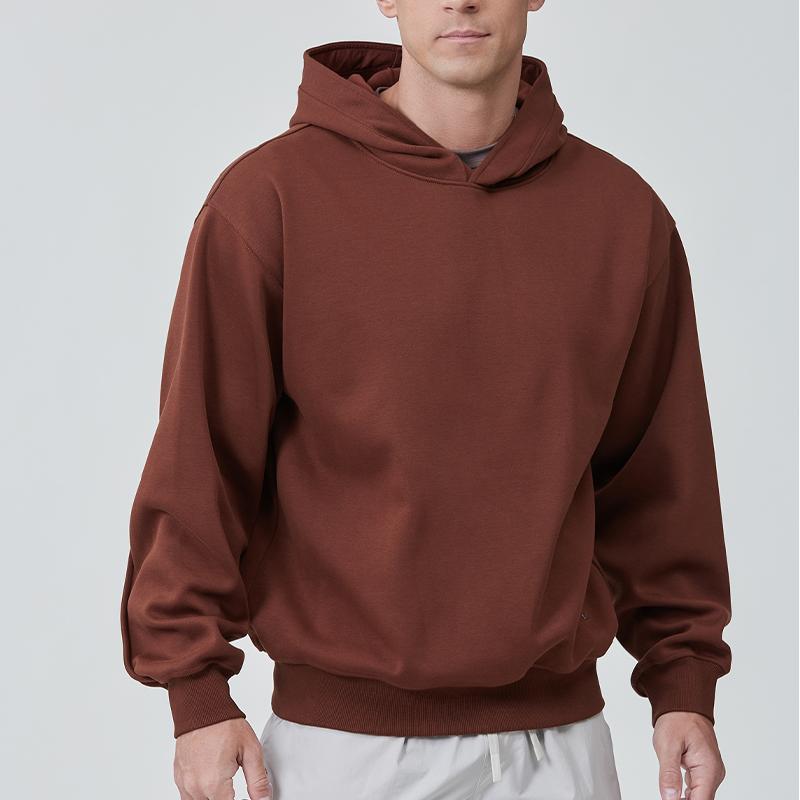
Performance hoodies have become the anchor piece for gym-to-street men's activewear collections. Unlike basic fleece sweatshirts, a well-developed performance hoodie must handle training intensity, maintain shape through repeated washing, and transition visually from workout to casual wear. For brands working with a men's activewear manufacturer, the difference between a generic hoodie and a performance-grade layer comes down to fabric weight, cuff construction, hood structure, and fit coordination. HUCAI activewear helps private label and OEM clients define these details during sample development so that the final bulk product performs as intended across training and lifestyle use cases.
Quick Answer
A men's performance hoodie for gym-to-street brands should use 280-350 gsm fleece or French terry with brushed interior for warmth without bulk. Key construction details include ribbed cuffs with adequate recovery, a structured hood that holds shape, a kangaroo pocket with reinforced entry points, and a fit that accommodates a base layer without restricting movement. Sample evaluation should test fabric pilling, cuff stretch recovery, and hood drape after washing.
Table of Contents
Who This Article Is For
- Private label buyers adding hoodies to their men's activewear collection
- Growing gym-to-street brands developing their first performance outer layer
- Design teams choosing between fleece, French terry, and tech-fleece constructions
- Buyers evaluating manufacturer capabilities for hooded activewear development
What You Will Gain From This Guide
This article breaks down the product development decisions that separate performance hoodies from basic sweatshirts. You will understand fabric weight ranges, construction details that affect durability and comfort, and how to plan fit for layering. HUCAI activewear supports hoodie development with fabric library access, pattern adjustments, sample-to-bulk coordination, and AQL 2.5 quality checkpoints.
Fabric Weight and Construction
The foundation of a performance hoodie is its fabric. For gym-to-street use, the weight range typically falls between 280-350 gsm. Below 280 gsm, the hoodie lacks the structure and warmth expected of an outer layer. Above 350 gsm, mobility suffers and the garment becomes too heavy for indoor training.
Common fabric options include:
- Cotton-poly fleece — soft hand feel, good printability, moderate moisture management
- French terry — smoother face, looped back, better breathability than fully brushed fleece
- Tech fleece — synthetic-dominant blend, lighter weight with structure, faster drying
Brushed interior adds warmth but increases pilling risk over time. If the target customer trains frequently, fabric pilling resistance should be confirmed during sampling. HUCAI activewear provides fabric swatches and wash-test guidance so brands can evaluate pilling behavior before bulk commitment.
Hood Structure and Drawcord Details
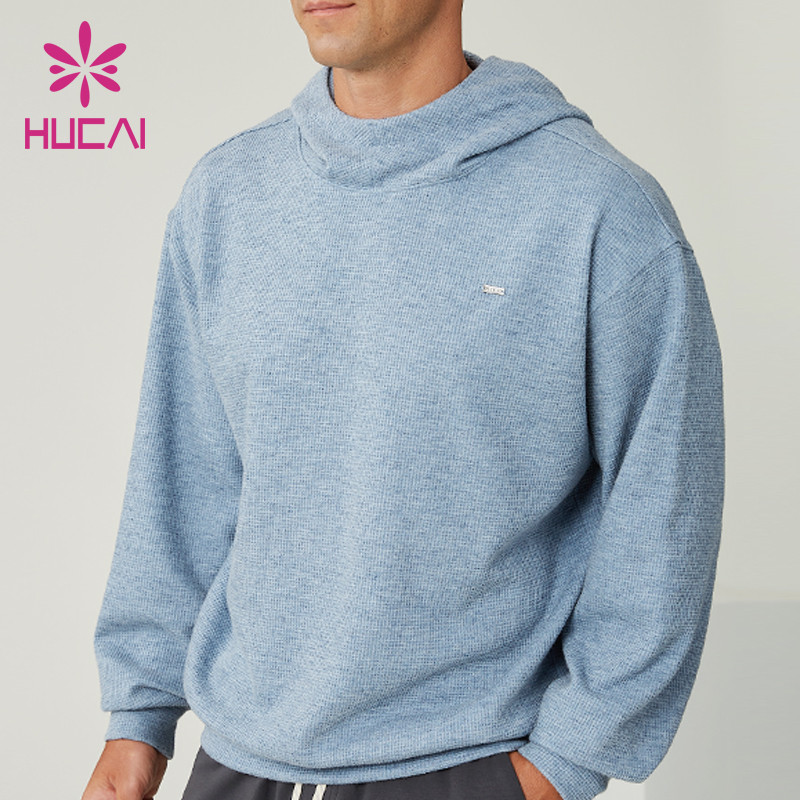
The hood is where many hoodie development projects reveal their weaknesses. A hood that collapses, bunches, or fails to hold shape during movement undermines the product's perceived quality.
Key development considerations:
- Hood depth and face opening — too deep and it blocks peripheral vision during training; too shallow and it fails to provide coverage
- Double-layer hood construction — adds structure and improves drape compared to single-layer designs
- Drawcord channel quality — metal eyelets or reinforced stitch lines prevent tearing; flat drawcords reduce irritation against the neck
- Cord lock or tip finishing — metal tips add durability and visual weight; plastic tips reduce cost but may crack
For gym-to-street brands, the hood must perform during outdoor warm-ups and still look intentional when worn casually. Sampling should include fit review with the hood both up and down.
Cuff, Hem, and Ribbing Decisions
Cuff and hem construction directly affects how a hoodie wears over time. Ribbing that stretches out after three washes turns a premium product into a disappointment.
Development priorities:
- Rib composition — cotton-spandex rib (typically 95/5) provides better recovery than 100% cotton rib
- Rib width and stitch attachment — wider rib bands (6-8 cm) look more premium; coverstitch attachment is cleaner than overlock for this area
- Hem shape — straight hem is versatile; curved or dropped hem adds visual interest but must align with the brand's existing bottom silhouettes
- Cuff tension — too tight and it restricts wrist movement; too loose and it fails to seal warmth or stay in place
HUCAI activewear recommends wash-testing cuff and hem recovery as part of pre-production sampling. This step catches rib quality issues before bulk fabric is ordered.

Kangaroo Pocket and Storage Design
The kangaroo pocket is a signature hoodie element, but its construction is often underestimated. A pocket that gapes, sags, or tears at the entry point becomes a quality complaint.
Design checkpoints:
- Pocket bag depth — shallow bags are useless; overly deep bags distort the front panel
- Entry reinforcement — bar-tacking or reinforced stitching at pocket openings prevents tearing from phone and key weight
- Hidden phone sleeve or internal division — adds function for gym-to-street users without disrupting clean exterior lines
- Zippered pocket options — side-seam zip pockets provide secure storage during training; they add cost but reduce return rates
For performance-focused collections, consider whether the pocket should be positioned to avoid interference with front logo or chest print placement.
Fit Silhouette for Gym-to-Street
Fit is where gym-to-street brands face their hardest decision. A hoodie cut too slim restricts layering and training movement. A hoodie cut too relaxed loses streetwear credibility.
Recommended fit approach:
- Shoulder seam placement — slightly dropped shoulders accommodate base layers and create a contemporary silhouette
- Torso length — should cover the waistband of training shorts or joggers without extending past mid-thigh
- Sleeve length — with arms at rest, the cuff should sit at or just past the wrist bone; too short looks undersized
- Body width — regular to relaxed fit works best; muscle-fit hoodies limit layering and customer base
HUCAI activewear samples hoodies in fit progression so brands can compare slim, regular, and relaxed options against their existing collection before locking patterns.
Decision Check
Before sampling or bulk planning, confirm:
- Have you selected a fabric weight between 280-350 gsm appropriate for your climate and use case?
- Does your fabric choice include pilling and wash recovery testing?
- Have you confirmed hood depth, drawcord quality, and eyelet reinforcement?
- Is rib composition specified with adequate spandex content for recovery?
- Have you tested pocket entry reinforcement under load?
- Does the fit silhouette align with your brand's existing tops and bottoms?
- Have you planned color and fabric family coordination with other collection pieces?
Next Steps for Your Hoodie Development
If you have reference styles or target specs, send your brief for fabric and sample feasibility review. For brands needing full development support, explore ODM services covering fabric selection, pattern work, and sample-to-bulk coordination. Compare options by reviewing our men's activewear product pages or related blog guides.
Manufacturer Insight: Common Hoodie Development Issues
In many early-stage men's activewear projects, hoodie samples fail for three predictable reasons. First, fabric weight is chosen based on cost rather than function, resulting in a hoodie that is either too flimsy or excessively heavy. Second, rib quality is overlooked. A manufacturer may use available rib stock rather than matching the fabric blend and recovery specs, leading to cuffs that stretch out within weeks.
Third, hood structure is approved from flat photos rather than worn evaluation. A hood that looks correct on a table may collapse backward or bunch at the neck during movement. Sampling should always include worn fit review with the hood in use.
HUCAI activewear addresses these issues through pre-production sample checkpoints, fabric behavior documentation, and structured fit review sessions before bulk approval.
FAQ
What is the MOQ for custom men's performance hoodies?
MOQ typically starts from 100 pieces per style, depending on fabric sourcing, color count, size range, and customization. Order structure and fabric minimums can shift this number, so early discussion helps set realistic expectations.
How long does hoodie sample development usually take?
Sample timing depends on fabric availability, pattern work, logo method, and whether custom rib or trims are required. Hoodies with custom hardware or specialized fabrics may need additional lead time for trim sourcing.
Can you help if we only have reference images for our hoodie design?
Yes. ODM development is available for brands with reference images or style direction. HUCAI activewear can assist with fabric selection, construction decisions, fit development, and sample coordination even without a complete tech pack.
Do we need a tech pack before starting OEM hoodie production?
A tech pack streamlines development but is not required to begin. For OEM projects, confirmed measurements, fabric specs, and construction details are sufficient to start sampling. Tech packs can be refined during development rounds.
How should brands choose between fleece and French terry for hoodies?
Fleece offers more warmth and a softer interior hand feel, making it suitable for cooler climates and lifestyle wear. French terry is more breathable and less prone to pilling, making it better for training-dominant use cases. The choice should align with your customer's primary activity.
What usually causes repeated revisions in hoodie sampling?
Common causes include fit adjustments discovered during worn review, hood structure modifications, cuff recovery issues found during wash testing, and color or fabric substitutions that change the intended hand feel. Clear pre-production specs reduce revision rounds.
How do brands balance fabric weight and training mobility?
The 280-350 gsm range is the practical middle ground. Within this range, synthetic blends or cotton-poly constructions can achieve structure without heaviness. Sampling should include movement testing to confirm the hoodie does not restrict overhead reach or running arm swing.
Should hoodies be developed before or after base layers in a collection?
Base layers should typically be confirmed first, since hoodies are designed to layer over them. Once the base tee fit is locked, the hoodie fit can be graded with appropriate ease and length alignment. This sequence reduces fit mismatches during combined wear testing.
Final Takeaway
A men's performance hoodie is not a commodity item. Fabric weight, hood structure, cuff recovery, pocket reinforcement, and fit silhouette are all development decisions that affect how the product performs and how customers perceive quality. Brands that treat hoodie development with the same rigor as compression wear or training shorts produce outer layers that anchor their collection.
Plan the fabric family, confirm construction details during sampling, and test fit in combination with your base layers. These steps separate professional collections from generic drops.