How to Plan a Men's Back-to-Gym Capsule for Private Label Brands: Q3/Q4 Product Timing
- Share
- Issue Time
- Aug 10,2026
Summary
A B2B guide for private label brands planning men's back-to-gym capsules. Covers Q3/Q4 development timeline, core pieces, fabric weight selection, color story planning, fit family strategy, and manufacturer insights from HUCAI activewear.
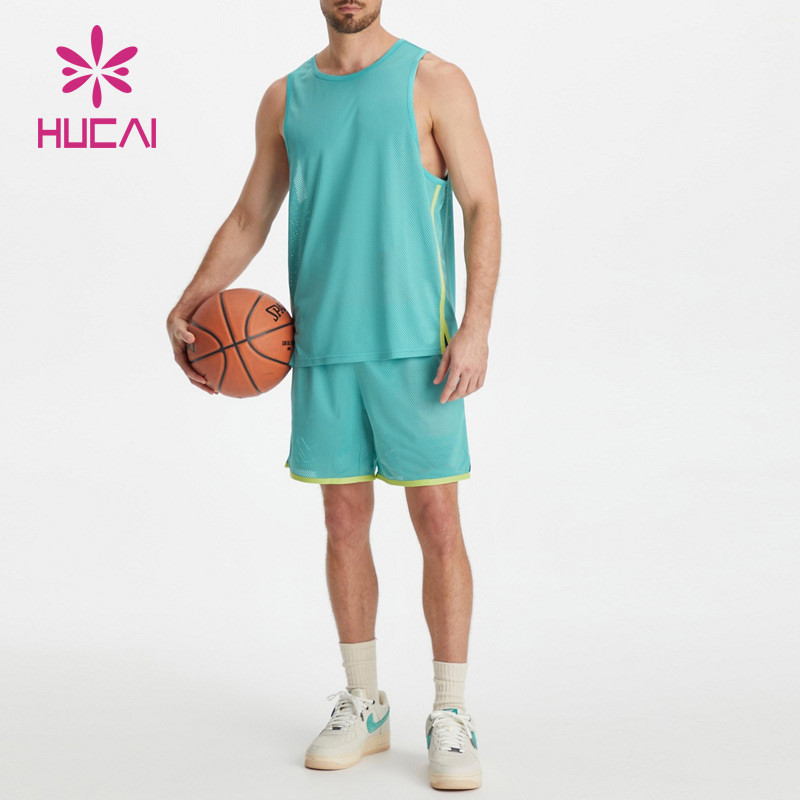
When private label buyers plan a men's back-to-gym capsule, timing decisions in Q3 and Q4 directly affect shelf readiness, fabric availability, and sample-to-bulk consistency. HUCAI activewear supports private label gym wear brands with ODM development, fabric selection, and collection planning that aligns product roles with seasonal demand.
Quick Answer
A well-timed back-to-gym capsule should lock fabric and fit specs by early Q3, confirm samples by mid-Q3, and plan bulk production so goods arrive before the January gym rush. Key pieces include performance tees, training shorts, lightweight hoodies, and layering midlayers that transition into early fall.
Who This Article Is For
This guide is written for private label buyers, growing gym wear brands, and collection planners who need to coordinate a men's back-to-gym drop that lands at the right time with the right product mix.
If you are deciding which SKUs to develop, when to start sampling, and how to align fabric choices with seasonal transitions, this article provides a practical framework.
Why This Matters
Back-to-gym season is one of the highest-volume windows for men's activewear. Capsules that arrive too late miss the January surge. Capsules that are underdeveloped face fit issues, color mismatches, and repeat sampling that push delivery into February. HUCAI activewear helps brands avoid these delays with structured ODM support, fabric library access, and sample-to-bulk coordination.
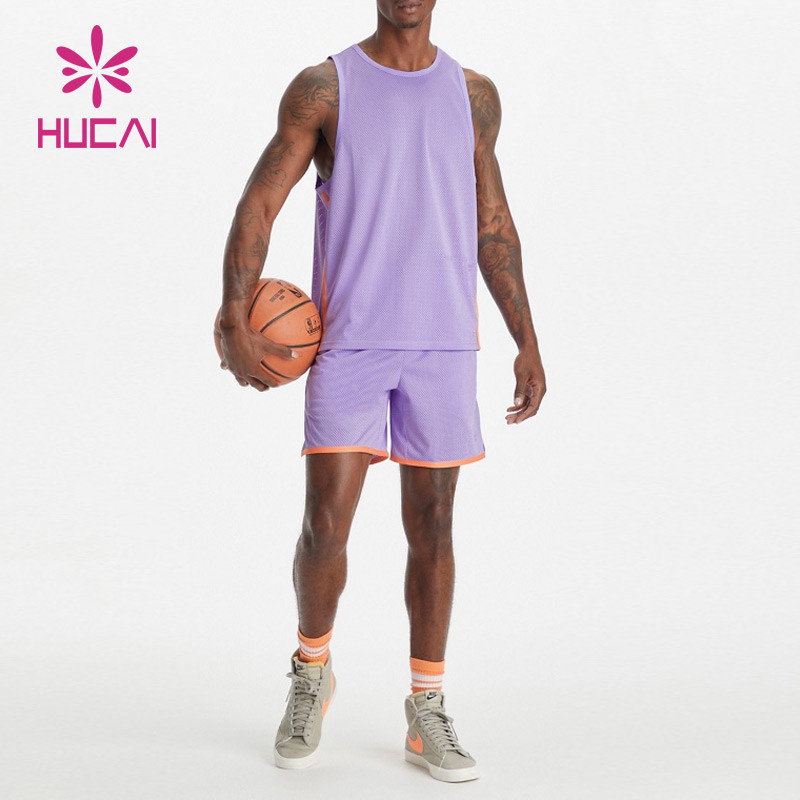
1. Mapping the Back-to-Gym Season Demand Curve
The back-to-gym season is not a single peak. It starts in late December with resolution-driven demand, builds through January, and extends into February and March as fitness habits solidify.
For private label brands, this means products must be warehouse-ready by late November or early December at the latest. Any delay past this window compresses sell-through and increases the risk of leftover inventory.
HUCAI activewear typically recommends that brands confirm their capsule direction by July or August. This allows time for fabric sourcing, pattern work, sample rounds, and pre-production review before bulk scheduling.
2. Core Pieces Every Capsule Needs
A back-to-gym capsule should cover the three use cases that drive January purchases: training, running, and recovery. Each use case needs a different product role, fabric behavior, and fit priority.
Training Essentials
Performance tees, gym shorts, and training joggers form the foundation. These pieces see the highest volume and the fastest repeat purchase cycles. Fabric choices should prioritize moisture management, stretch recovery, and durability under repeated washing.
Running and Cardio
Running shorts, lightweight tees, and compression liners serve the cardio segment. These buyers often look for specific details: liner comfort, pocket security, reflective touches, and lightweight fabrics that do not hold sweat.
Recovery and Layering
Lightweight hoodies, quarter-zip tops, and sweatpants cover the recovery and layering layer. These pieces also bridge into early fall, extending the selling window beyond the pure gym context.
3. Q3/Q4 Development Timeline for Private Label
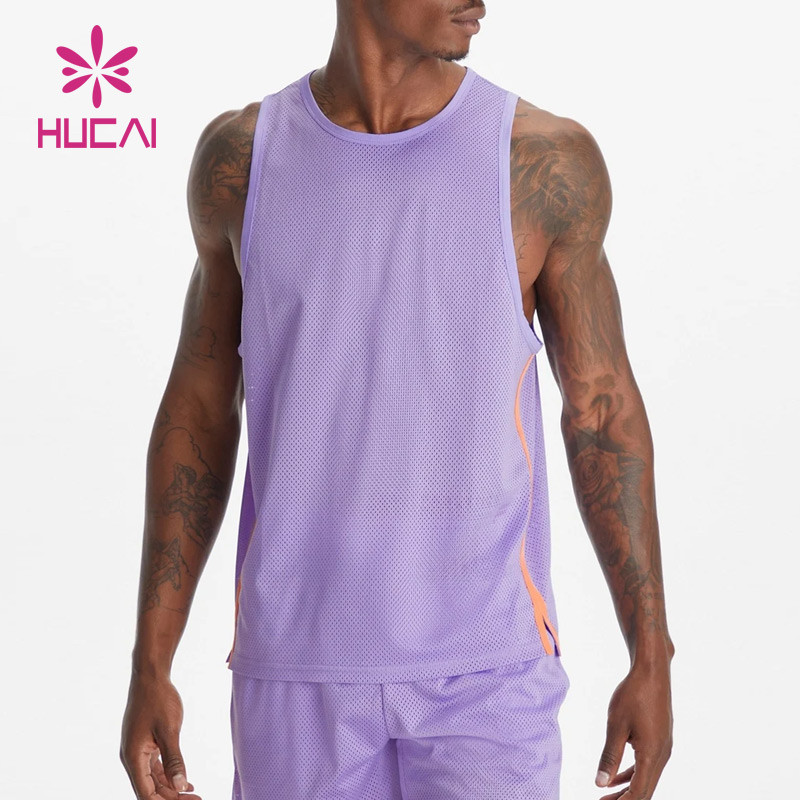
Private label development follows a fixed sequence, but the timeline shifts based on how complete the starting materials are. Brands with reference images and a clear direction move faster than brands still deciding on fit family and fabric weight.
July - August: Direction Lock
Confirm the capsule structure: number of styles, color count per style, size range, and target fabric weights. HUCAI activewear provides fabric library options and fit family references during this stage to reduce guesswork.
August - September: Sample Development
First samples are cut, sewn, and reviewed. Fit adjustments, construction changes, and logo placement refinements happen here. Brands should expect one to three sample rounds depending on how close the first attempt is to the target.
October - November: Pre-Production and Bulk Scheduling
Once the sample is approved, fabric and trims are ordered. Pre-production review confirms measurements, construction, and quality checkpoints. Bulk production is scheduled with buffer time for inspection and shipping.
4. Fabric Weight and Seasonal Transitions
Fabric weight is one of the most common sources of mismatch in back-to-gym capsules. A tee that feels right for July sampling may feel too light for a January delivery intended for indoor gym use in heated spaces.
For Q4 delivery, most private label gym wear brands choose:
- Performance tees: 160-190 GSM for breathability without sheerness
- Gym shorts: 220-280 GSM shell with optional compression liner
- Lightweight hoodies: 280-320 GSM French terry or fleece-back
- Training joggers: 280-340 GSM depending on intended warmth
HUCAI activewear helps brands test fabric hand-feel and behavior across sample rounds so the final bulk matches the intended season.
5. Color Story Planning for Fall/Winter Drops
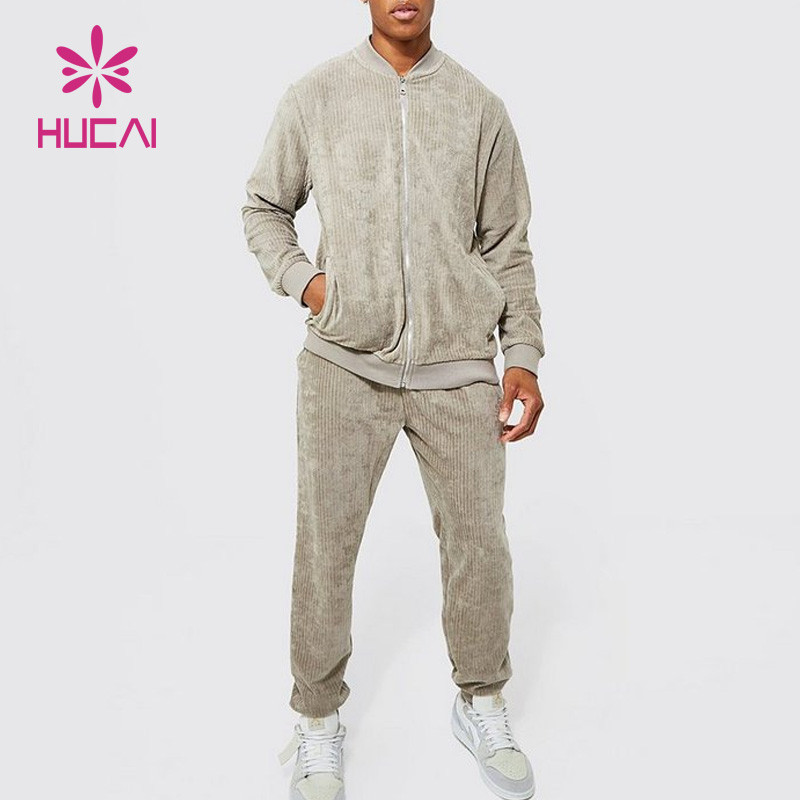
Back-to-gym capsules benefit from a disciplined color story. Too many colors fragment inventory and increase risk. Too few colors limit merchandising flexibility.
A common private label approach is:
- 2-3 core neutrals (black, charcoal, navy, grey)
- 1-2 seasonal accents (olive, burgundy, forest green, rust)
- 1 limited accent for energy (red, electric blue, orange)
Color fastness and dye lot consistency should be confirmed during sample development. HUCAI activewear checks color behavior under bulk dyeing conditions before production begins.
6. Fit Family and Size Range Strategy
A capsule only works if the pieces feel like they belong together. Fit family planning ensures that a muscle-fit tee, a regular training short, and a tapered jogger all speak the same brand language.
Private label buyers should decide early:
- Primary fit: muscle fit, regular athletic, or oversized
- Size range: typically S-2XL or XS-3XL for men's gym wear
- Grading consistency across tops and bottoms
- How layering pieces fit over base layers
HUCAI activewear provides pattern library references and size grading support to help brands build a coherent fit family from the first sample round.
Decision Check: Before You Start Development
- Have you confirmed your capsule structure and target delivery month?
- Do you have reference images or a clear product direction for each style?
- Have you selected fabric weights appropriate for Q4/Q1 seasonal use?
- Is your color story narrowed to a manageable range for first production?
- Have you defined the fit family and size grading approach?
Manufacturer Insight
One of the most common delays we see in back-to-gym projects is a late decision on fabric. Brands often finalize the style list in July but wait until September to choose fabric, which compresses the sample timeline and pushes bulk into December.
HUCAI activewear recommends locking fabric direction by early August at the latest. This keeps the sample-to-bulk path open and leaves room for quality checkpoints and shipping coordination without rushing the production line.
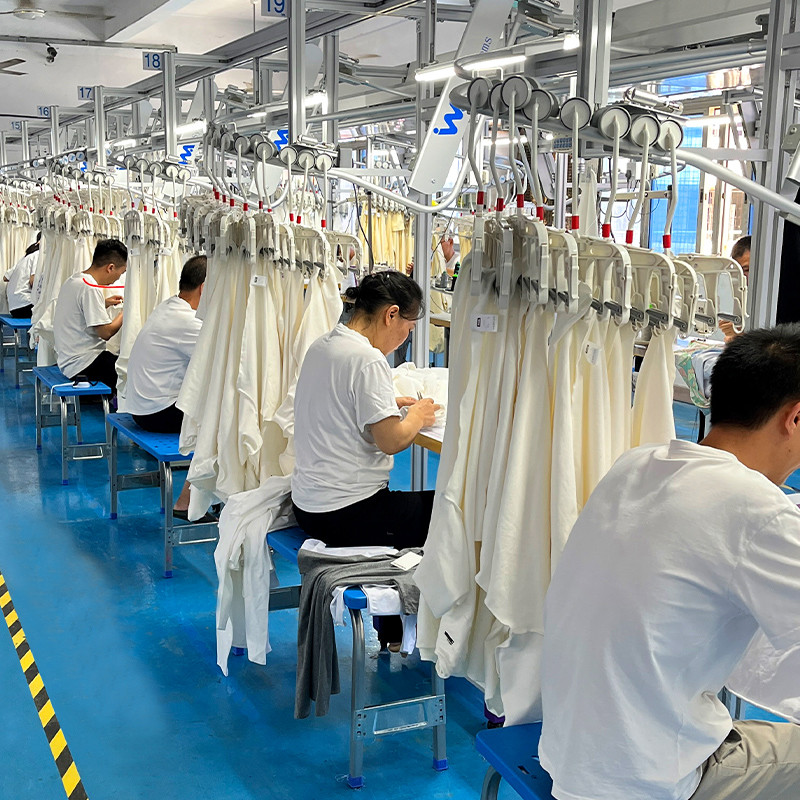
Our ODM support includes fabric library access, fit family references, and MES-backed production tracking so brands can follow progress from sample approval through bulk completion.
FAQ
What is the typical MOQ for a private label back-to-gym capsule?
MOQ usually starts from 100 pieces per style, but the actual number depends on fabric minimums, color count, size range, and logo customization. A capsule with four styles in two colors each typically needs more planning than a single-style test order.
Can we start development if we only have reference images?
Yes. Many growing brands begin with reference images, target fit descriptions, and fabric preferences. HUCAI activewear provides ODM support that turns these references into tech packs, patterns, and first samples.
How long does sample development usually take for a gym wear capsule?
Sample timing depends on fabric availability, pattern complexity, fit adjustment rounds, and logo method confirmation. A typical first sample takes a few weeks after fabric and direction are locked. Each revision round adds additional time.
Should we plan for a January drop or a broader Q1 window?
January captures the resolution-driven peak, but February and March still show strong demand as fitness habits stick. Brands with limited capacity often target late January delivery to catch both the early rush and the sustained Q1 demand.
What fabric weight works best for gym tees in winter months?
For indoor gym use during winter, 160-190 GSM performance fabrics work well. They breathe during workouts without overheating. If the tee is intended for outdoor warm-ups or run-commute use, slightly heavier weights or long-sleeve versions may be more appropriate.
How do we keep fit consistent across tees, shorts, and joggers?
Fit consistency comes from a shared fit family plan. Define the brand's primary silhouette (muscle, athletic, or relaxed), apply it across categories, and review each sample against the same reference body and ease standards. Pattern library support helps maintain this consistency.
What should be confirmed before discussing bulk pricing?
Before bulk pricing is realistic, confirm: approved sample, fabric and trim specs, logo method and placement, size grading, color count, order quantity, and packaging requirements. Pricing based on incomplete specs often changes after sample approval.
Can HUCAI activewear support collection planning beyond individual styles?
Yes. We support capsule-level planning including product-role mapping, fabric family coordination, color story alignment, fit family consistency, and SKU structure. This is especially useful for private label buyers building their first full collection.
Final Takeaway
A successful men's back-to-gym capsule is not about how many styles you launch. It is about launching the right styles, with the right fabric, at the right time, with a fit family that feels intentional.
Private label buyers who lock direction in Q3, confirm samples before October, and plan color and fit family early avoid the rush that derails so many January drops.
HUCAI activewear provides the ODM development support, fabric library, and production coordination that help brands turn a back-to-gym idea into a deliverable collection.