How to Write a Tech Pack for Men's Private Label Activewear
- Share
- Issue Time
- Nov 27,2026
Summary
A men's private label tech pack holds when five blocks are closed and written in three readiness tiers. This guide sets out the minimum inputs per tier, the fabric and trim fields a factory cannot infer, points of measure with landmarks and tolerances, construction callouts, and the revision routine that freezes one version at pre-production sample approval.
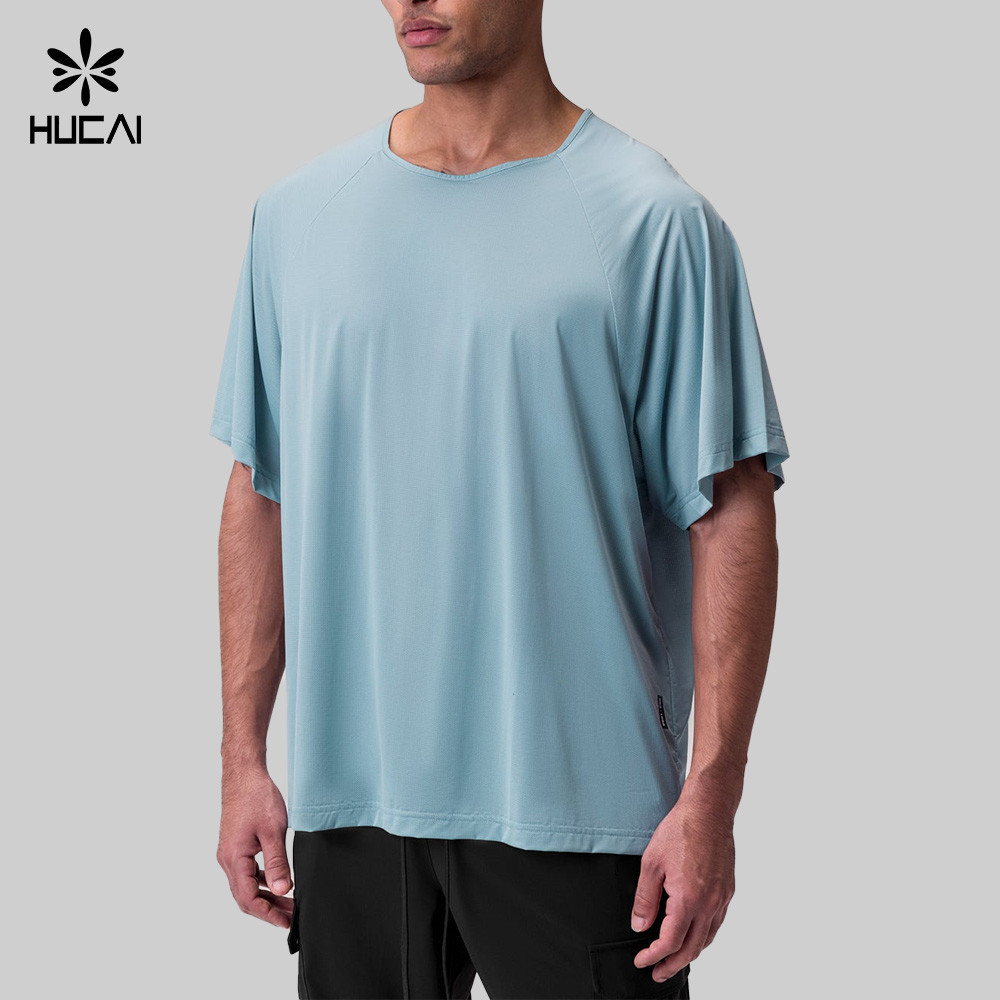
A tech pack is not a design brief. It is the decision record a factory reads when nobody from the brand is in the room. For a men's activewear OEM tech pack, three questions come first: what the garment is, what it is made of, and how far each answer may move between sample and bulk. Most delays we review come from a pack that leaves one of those answers open, so the pattern room, the fabric desk and the cutting floor each fill the gap differently. At HUCAI activewear, incoming packs are checked at the pattern and sampling desk before a sample slot is booked, because a missing trim length is cheaper to fix in a spreadsheet than in a cutting ticket.
Quick Answer
A men's private label tech pack needs five blocks closed: product identity, materials, measurements, construction and branding. Write them in three readiness tiers, because a quote needs less than a sample and a sample needs less than a bulk release. Every measurement point needs a named landmark and a tolerance, every fabric and trim an identifier both mill and trim supplier recognize, and every construction callout a seam type plus a stitch density. Then control the pack like a drawing: one current version, a revision block with dates and approvers, and a rule that the version signed at pre-production sample approval is the one the cutting floor receives.
Table of Contents
- Who This Article Is For
- Why Tech Packs Fail at the Cutting Table, Not in Design
- Three Readiness Tiers: Quote, Sample and Bulk Release
- Fabric and Trim: The Fields a Factory Cannot Infer
- Points of Measure, Landmarks and Tolerances
- Construction Callouts: Seams, Stitch Density and Reinforcement
- Revisions: From Sample Comments to a Frozen PPS
- Decision Check
- Founder's Technical Insight (Jean Yuan)
- FAQ
- Final Takeaway
Who This Article Is For
- Primary reader: product developers and sourcing managers at men's gym wear and training wear brands who own the tech pack and sign the pre-production sample.
- Secondary reader: brand founders moving from reference images to their first OEM program, and merchandisers translating a designer's flat into factory language.
- Product stage: from the first costing enquiry through sample rounds, pre-production sample approval and the handover to bulk cutting.
- Problem being solved: repeated sample rounds caused by ambiguous measurements, a bulk lot that drifted from the approved sample, or two pack versions circulating at the same time.
- Who may not need this article: teams buying stock styles from a catalog with fixed specifications, or brands still deciding which product categories to develop at all.
What you gain from this article: a tiered contents list you can paste into your own template, the fabric, trim, measurement and construction fields that decide whether a sample is comparable, a tolerance structure by point class, and a revision routine that keeps one approved version in front of the factory.
Why Tech Packs Fail at the Cutting Table, Not in Design
Activewear is unusually sensitive to specification gaps because the fabric does the work. A knit with elastane changes dimension when it is stretched, when it is washed, and when it is relaxed overnight on a table. If the pack states a chest width without saying whether the garment was measured flat and relaxed or flat and stretched, two people can measure the same approved sample and both be right.
Pattern makers who handle men's OEM programs describe the same three failures repeatedly. The first is a pack that documents the sample rather than the product: it describes the garment that was made, including the compromise the sample room made that week, instead of the garment that must be repeated. The second is a pack with numbers but no landmarks, so a measurement point like sleeve length has three possible start points. The third is version drift, where a comment sent by email lives outside the document and the factory cuts from the file it received two weeks earlier.
Technical apparel merchandisers make a related point: the pack is read by four functions at once. The pattern room reads measurements and construction, the fabric desk reads composition and weight, the trim buyer reads cord and zipper specifications, and the cutting floor reads the size ratio. A pack that serves one and not the others gets interpreted, and interpretation is where drift starts.
Every unresolved field becomes a question, a delay or an assumption. Assumptions cost the most because they surface after cutting. The development team at HUCAI activewear therefore treats pack review as a gate: unanswerable fields are logged as open items with an owner, so the first sample tests the design rather than the paperwork. Brands can review the design and development team workflow to see how the pack feeds sampling.
Three Readiness Tiers: Quote, Sample and Bulk Release
The most common structural mistake is treating the pack as one document that is either finished or not. A pack passes through three tiers, each unlocking a different factory action. Writing them separately stops over-documenting before a quote and under-documenting before bulk.
The quote tier needs enough detail to price honestly: category, fabric family and approximate weight, panel count, construction complexity, branding method, size range and quantity. A quote from that tier is a range, not a price. The sample tier adds the full measurement set, trim list and construction callouts, because the sample room must buy fabric and trims. The bulk tier adds the graded size set, approved color references, packaging specification and frozen revision number.
| Tier | What the pack must contain | What the factory can do with it |
|---|---|---|
| Quote | Category, fabric family and approximate GSM, panel count, branding method, size range, target quantity per color | Give an indicative price band, flag MOQ drivers, propose a fabric direction |
| Sample | Full measurement set with landmarks, trim list with sizes, construction callouts, artwork with placement coordinates, base size | Buy fabric and trims, cut and sew a first sample, quote against a defined build |
| Bulk release | Graded size set, color references and approvals, packaging and carton specification, frozen revision number, pre-production sample sign-off | Book fabric lots, build the marker, schedule cutting, set inspection checkpoints |
Two rules keep the tiers honest. Nothing that changes cost may enter after the sample tier without a re-quote, because a new fabric, an extra panel, a bonded seam or an added branding method all change the build. And nothing may enter bulk release that was not visible in the sample, since the pre-production sample is the physical proof of the document. At HUCAI activewear, tier status sits on the pack cover so merchandising and sampling read the same project state.
Fabric and Trim: The Fields a Factory Cannot Infer
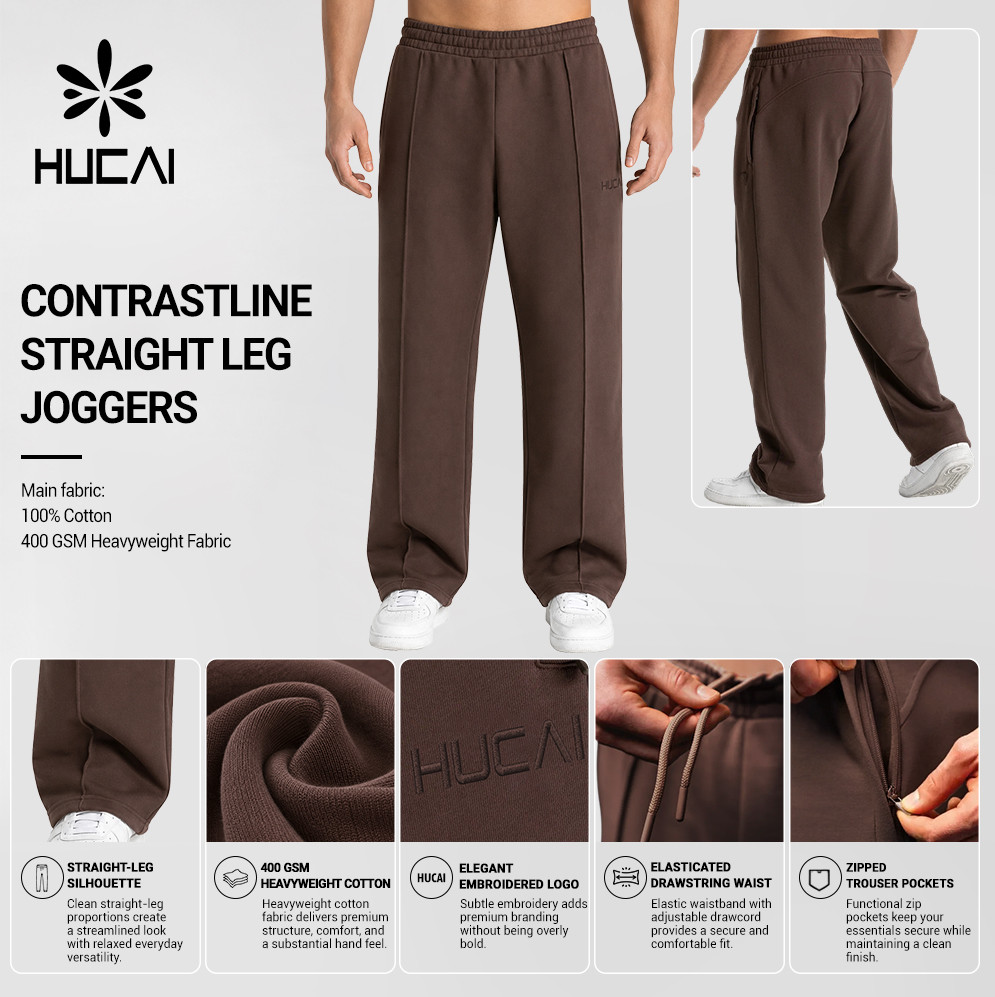
Fabric is where first samples diverge, because a brand writes a trade name and a factory buys what the mill has. The pack needs an identifier that survives that translation: composition, construction, weight in GSM, finish, and the two mechanical values that decide fit behavior, stretch and growth.
Growth matters more than stretch for training wear. A fabric can stretch comfortably and still fail because it does not return. Under ASTM D2594 logic, elastic growth is the residual extension left after a load is removed and the specimen rests. A jersey that grows 6 percent at the hip feels correct on day one and loose by the third wash. Dimensional change under AATCC 135 or ISO 6330 belongs in the same block, because the pattern carries an allowance either way.
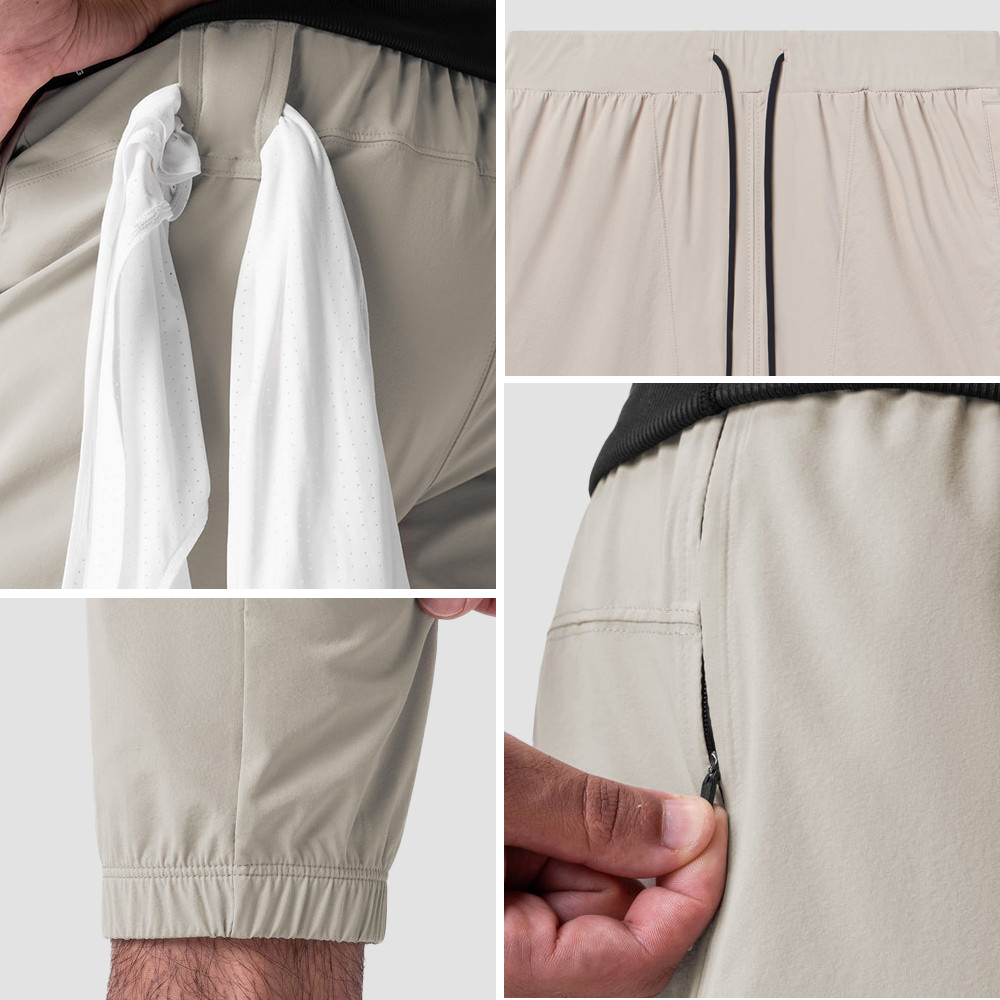
Trims are the second silent gap. A drawcord is not specified until length, diameter, weave, aglet type and color are stated, plus the eyelet or channel it passes through. The same applies to elastic width and tension, zipper type and length to the slider stop, thread size and color, and every label.
| Field | What to state | What breaks when it is missing |
|---|---|---|
| Fabric identity | Composition, knit or woven structure, yarn type, GSM, finish | A near-match is sourced and hand feel or drape shifts |
| Stretch and growth | Stretch direction, stretch percentage, growth percentage, test method | Fit relaxes after wear or the first wash |
| Dimensional change | Shrinkage allowance, wash method and cycle count | Graded sizes drift, usually in length |
| color reference | Pantone TCX plus a retained physical standard | Bulk lot approved against a screen, not a dip |
| Cord and elastic | Length, width, tension, aglet, attachment method | Waistband behaves differently from the sample |
| Zipper and hardware | Type, tape width, length to stop, slider, puller | Pocket opening or puller finish changes at bulk |
| Labels and thread | Woven or printed label size and placement, thread tex and color | Neck label sits wrong, seam color reads off |
A practical test: hand this block to someone who has never seen the garment and ask them to source it. If they must ask a question, the block is not finished. The fabric selection reference for men's sportswear shows how end use narrows the choice.
Points of Measure, Landmarks and Tolerances
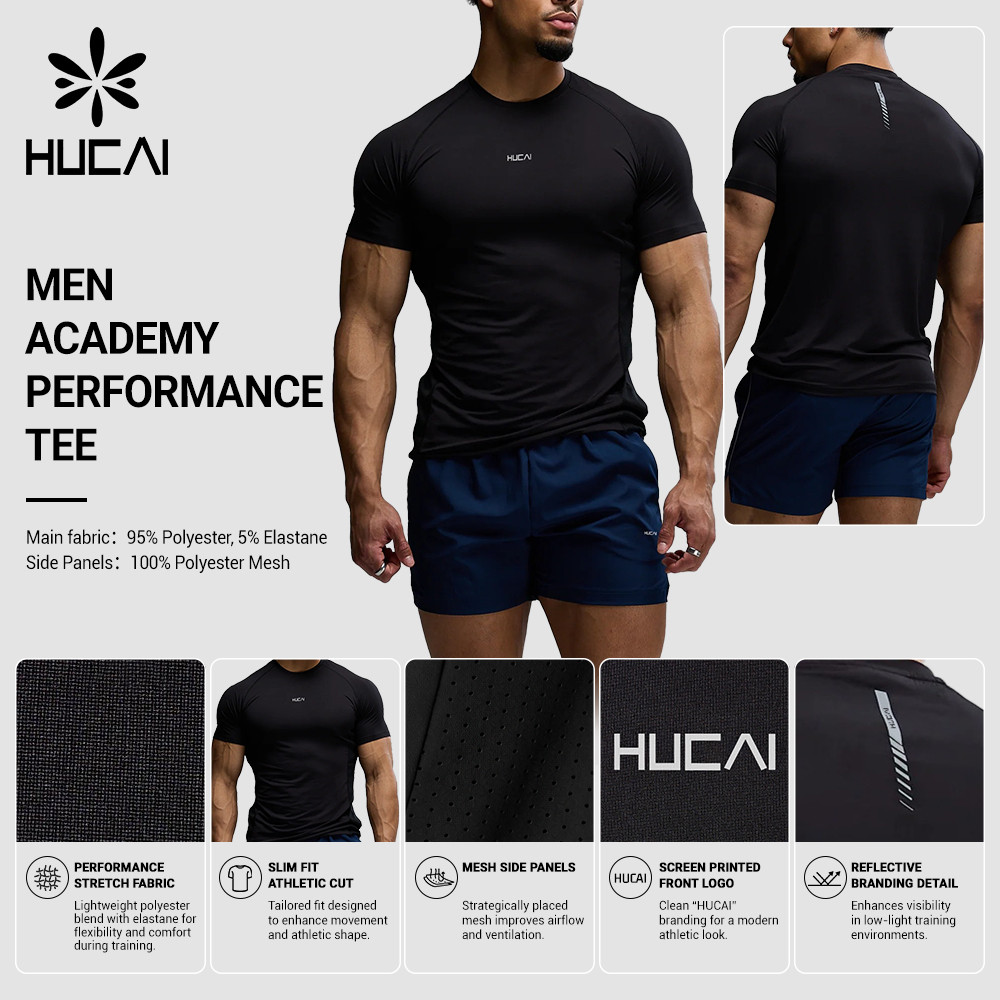
A measurement without a landmark is an opinion. Every point needs a start, an end, and a condition: flat and relaxed, flat and extended, or on a form. Chest width one centimeter below the armhole is not chest width at the widest point, and on a drop-shoulder tee that difference can exceed the tolerance.
Write the POM list for the base size, then add a grading rule rather than a full size table. A table without increments cannot be extended when a size is added. Close-fit and compression styles need one more field: intended negative ease per landmark, since the same body measurement yields a different garment depending on tension.
| Point class | Examples | Starting tolerance to agree | How it is checked |
|---|---|---|---|
| Critical fit | Chest width, waist relaxed, inseam, sleeve length | Tightest band in the pack, because these decide whether the size sells | Base size measured flat and relaxed, two layers on the table |
| Balance and symmetry | Front length, back length, shoulder slope, leg opening | Narrow band, with left and right measured separately | Both sides recorded, not averaged |
| Elastic interfaces | Waistband relaxed and extended, cuff opening | Wider band on extended values, tighter on relaxed | Measured after a stated rest period |
| Detail and trim | Pocket opening, zip length, collar depth, logo position | Position tolerance measured from a named seam | Against the callout sheet, not by eye |
The band should reflect what the fabric can hold. A stable interlock holds a tight band; a high-pile brushed fleece moves more at the same seam. The pattern team at HUCAI activewear sets the band per point class per fabric family, and records the measuring condition beside the number so a second inspector reaches the same result. Fit block logic is covered in locking fit blocks across sizes; this article covers how the pack documents it.
Construction Callouts: Seams, Stitch Density and Reinforcement
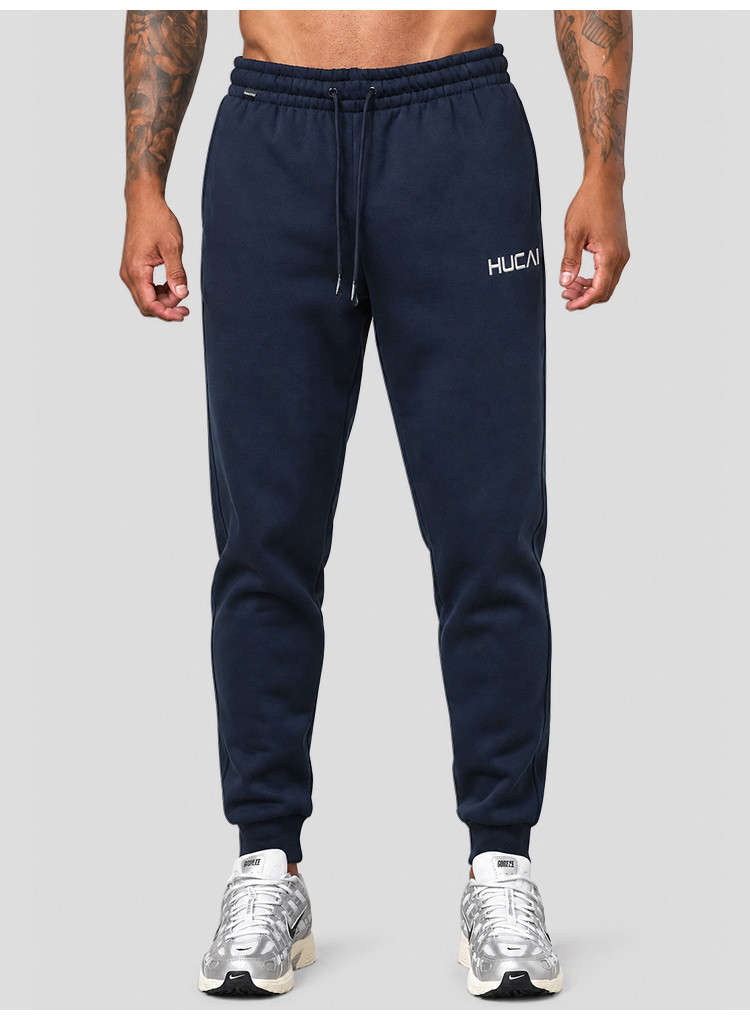
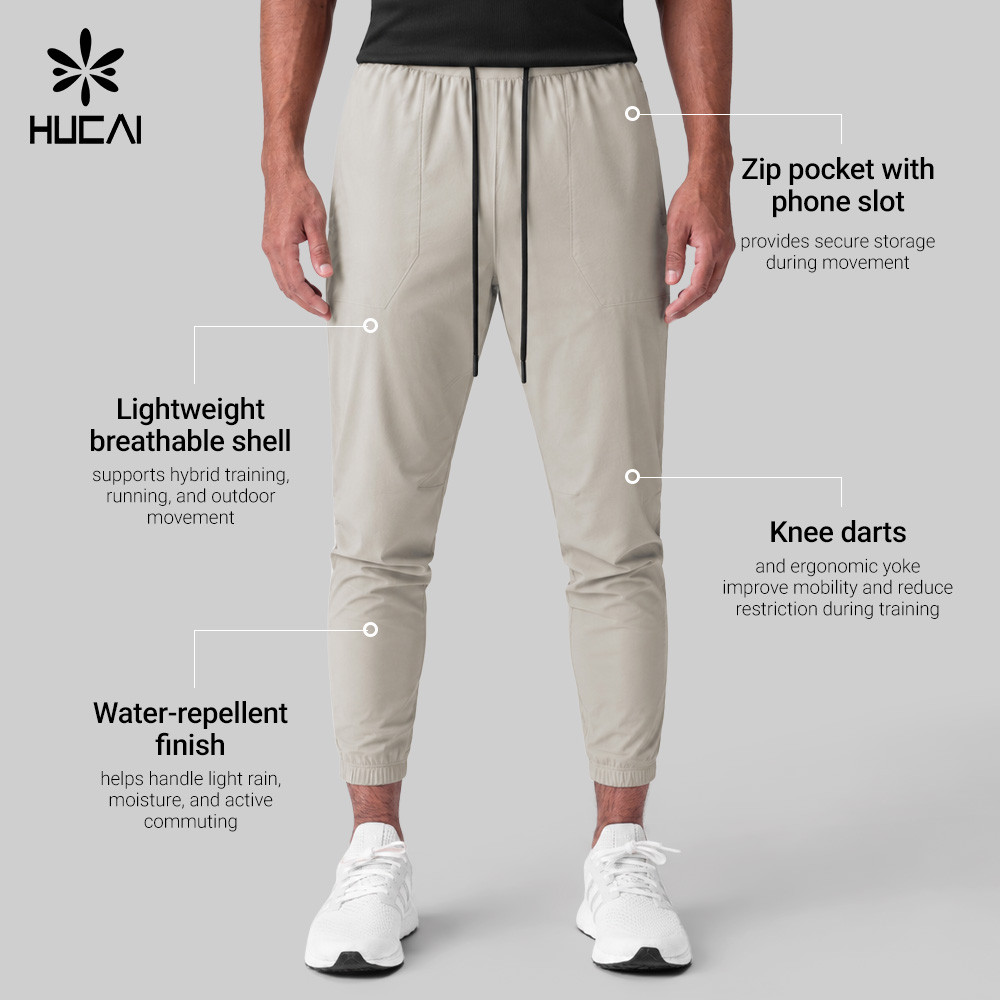
Construction is the block most often written as a sentence, and a sentence cannot be sewn. Name the seam, the machine and the density, then number the callout against the drawing. A four-needle six-thread flatlock at the side seam, a two-needle coverstitch at the hem and a three-thread overlock inside a pocket bag are three instructions, three costs and three failure modes.
Stitch density drives durability and stretch. Too few stitches per inch and the seam opens under load at the inner thigh or armhole; too many and it loses extensibility and puckers on a stretch knit. Reinforcement is the last line: bartacks at pocket corners, tape at a split hem, a gusset where the design needs one.
| Callout | What the pack must state | Typical failure if omitted |
|---|---|---|
| Seam type | Flatlock, coverstitch, overlock, bonded, with needle and thread count | A cheaper seam is substituted and abrasion resistance drops |
| Stitch density | Stitches per inch or centimeter at each seam | Seam either cracks or puckers after washing |
| Seam allowance | Value per seam, plus trim width after sewing | Bulk garment measures correct but feels bulky inside |
| Reinforcement | Bartack length and position, tape, gusset, bar-tacked loop | Pocket corners and split hems tear first |
| Callout numbering | Number on the flat matched to a close-up photo with a scale | Placement is guessed and shifts between operators |
A close-up photo with a ruler in frame settles more arguments than a paragraph, and gives inspection a reference before shipment. The craftsmanship reference shows these seams in production context; the shorts pre-production checklist applies the same logic to waistband, liner and pocket.
Revisions: From Sample Comments to a Frozen PPS
Sampling generates comments faster than teams absorb them. The revision block stops those comments from becoming a second, informal specification. Every change gets a number, a date, the field it touches, the reason and the approver, and only one file per revision stays live.
Not every change weighs the same, and the pack should say so. A measurement adjustment within tolerance is a fit tweak. A fabric or trim substitution is a material change that needs a re-quote if it moves cost. A construction change alters the machine, the time and often the seam allowance. A branding change moves artwork, which can move cutting placement. Treating all four alike is how one sample round becomes four.
| Failure mode | Root cause in the pack | Checkpoint that catches it |
|---|---|---|
| Bulk measures correct but fits differently | Tolerance written without a measuring condition or landmark | Measurement review at pre-production sample, same method as bulk |
| Two versions in circulation | Comments sent outside the document, no revision block | Pack cover revision number checked at cutting release |
| Trim mismatch on reorder | Cord, elastic or zipper described as standard | Trim card signed with physical samples retained |
| color off between lots | Reference approved as a screen image, no retained dip | Retained standard compared at fabric inspection |
| Cost surprise after sampling | Build changed after the quote with no re-quote trigger | Change log reviewed before purchase order |
At pre-production sample approval the pack freezes, and the approved sample plus the approved revision become the reference pair that the cutting ticket must cite. A change after freeze re-enters at the sample tier instead of being written into the bulk instruction. HUCAI activewear keeps the revision trail with the fabric, trim, pattern and inspection records, so a reorder is measured against the version actually shipped. The wider picture is in tech pack to bulk production.
Decision Check: Is the Pack Ready to Release?
Before the pack goes to a sample slot or a bulk release, confirm the following:
- Identity: style number, category, base size, size range and fit block are stated once and referenced everywhere else.
- Materials: every fabric has composition, structure, GSM, finish, stretch and growth values, and a color reference that exists as a physical standard.
- Trims: cord, elastic, zipper, thread and labels carry dimensions and identifiers, not the word standard.
- Measurements: each point has a landmark, a measuring condition and a tolerance band, plus a grading rule rather than a table alone.
- Construction: seam type, stitch density, seam allowance and reinforcement are named and numbered to a close-up.
- Branding: logo method, placement coordinates, label and packaging specification are approved in the version that will be cut.
- Control: one live revision number, a change log, and a named approver; the HUCAI activewear pack review uses the same seven criteria before booking sample capacity.
If fewer than five are closed, the pack is not ready. Releasing it early does not save time; it moves the clarification into the sample room or the cutting floor.
Founder's Technical Insight: Jean Yuan's Development Note
Jean Yuan, Founder of HUCAI activewear, reads packs the way a pattern maker reads them. "Most packs describe a garment that has already been made," he notes. "They are written after the first sample, so they record the compromise, not the requirement. The sample room has already solved four problems informally and none of those solutions are in the file. At bulk, the file is what travels, so the informal solutions disappear."
His second point is tolerance. "A tolerance is not a number copied from a previous program. It states how much the fabric will move and how much the customer will notice. Write the measuring condition beside the number, or two inspectors will disagree while both are correct. In twenty years of production reviews, the arguments were rarely about sewing skill. They were about a document that allowed two readings."
FAQ
What is the minimum information needed for a men's activewear tech pack?
Five blocks: product identity, materials, measurements, construction and branding. For a quotation, category, fabric family, panel count, branding method, size range and quantity are enough. For a sample, add the full measurement set with landmarks, the trim list and construction callouts. For bulk, add grading rules, approved color references, packaging and a frozen revision number.
Do I need a tech pack before starting OEM or ODM development?
Not necessarily. A complete pack makes an OEM path efficient, because the factory is producing a defined design. With reference images and a product direction but no pack, ODM development usually starts by building the missing blocks with you: fabric direction, fit block, construction route and branding method. The pack then becomes the output of development rather than its input.
What tolerance should I put on measurements for men's gym wear?
Set the band by point class and fabric behavior rather than one figure for the whole garment. Critical fit points such as chest width, waist and inseam take the tightest band. Balance points such as front and back length take a narrow band measured on both sides. Elastic interfaces need separate relaxed and extended tolerances, measured after a stated rest period.
Why do samples come back the right size but the wrong fit?
Usually because the pack states a number without a landmark or measuring condition, or because negative ease was never set for a close-fit style. The sample room then interprets the number in the most familiar way, which may not be the brand's way. Recording how each point is measured, and on which base size, removes most of that ambiguity.
How many sample rounds should a tech pack expect?
It depends on how complete the first version is and how many fields change between rounds. A pack with closed materials, measurements and construction often needs one fit round plus one pre-production sample. A pack still deciding fabric or branding needs more, because each decision restarts part of the build. Sample timing is usually about 10 to 15 days per round; revision rounds are what extend it.
What is the MOQ for custom men's activewear?
MOQ is from 100 pcs/style, though the real figure depends on fabric, color, size range, trims, logo method and order structure, because a small color block is often limited by fabric minimums or cutting efficiency rather than sewing capacity. Bulk timing is often about 25 to 30 days after sample approval, fabric and trim confirmation, and pre-production sign-off.
Final Takeaway
A tech pack earns its value when someone else must decide without you. The test is not whether it looks complete, but whether a pattern maker, a fabric buyer, a trim buyer and a cutting supervisor can each act on it without asking a question. Close the five blocks, separate the tiers, attach a landmark and tolerance to every measurement, name the seam and stitch density, and keep one live revision. Then the sample round tests the design instead of the paperwork.
Next Steps
- If your pack is ready: send the current revision, the base size measurement set and the trim list for an OEM sample-to-bulk review.
- If the pack is half written: start with the fabric and trim block, because those fields decide cost and lead time before fit does. ODM support can build the missing blocks with your team.
- If you are still comparing suppliers: ask each one which fields they review before quoting, and whether they return written open items. That answer tells you more than a price list.
About HUCAI activewear
- B2B men's activewear manufacturer supporting OEM, ODM and private label development for gym wear, training wear and running apparel
- Pattern and sample development support, with fabric, trim, logo, label and packaging customization
- Development review before sampling: open fields are recorded with an owner instead of being assumed
- AQL 2.5 inspection logic and MES / ERP production follow-up as process support rather than a result commitment
- Sample timing usually about 10 to 15 days per round; bulk often about 25 to 30 days, confirmed against the approved sample, fabric and order conditions
Current certification information can be reviewed during supplier evaluation based on the project and documentation requirements.