Men's Lightweight Windbreaker Development: Packability, DWR Finish and Breathable Panels
- Share
- Issue Time
- Aug 24,2026
Summary
A B2B guide for growing brands developing men's lightweight windbreakers. Covers shell fabric selection, DWR finish levels, packability engineering, breathable panel placement, hood/cuff/hem details, and fit layering compatibility with manufacturer insights from HUCAI activewear.
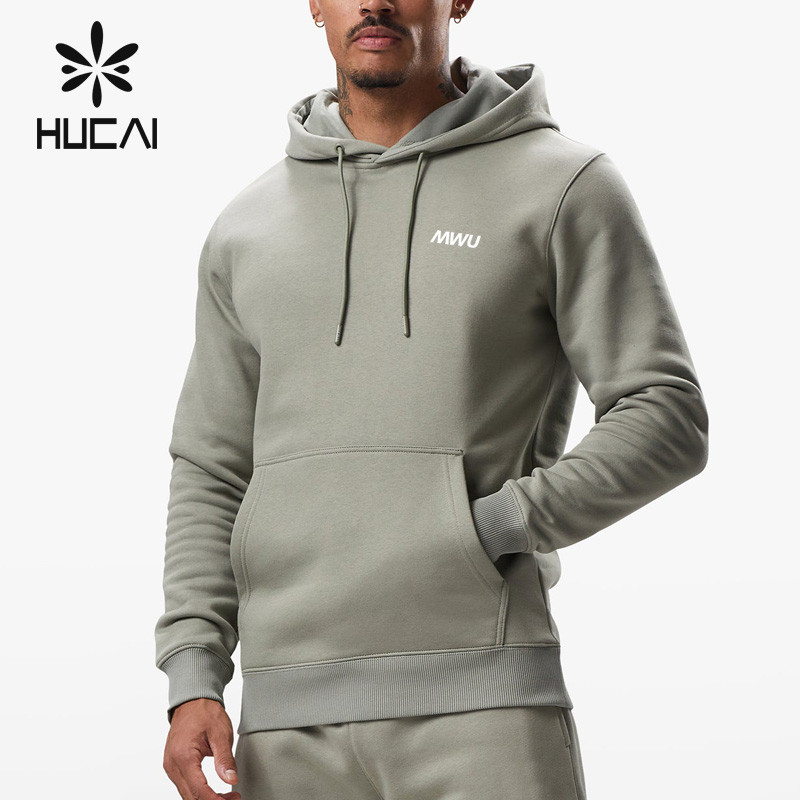
As fall approaches, growing brands across the US, UK and Australia start adding outer layers to their men's activewear collections. A lightweight windbreaker is one of the most versatile pieces in this transition—easy to pack, quick to layer, and functional across training, commuting and outdoor use. For brands working with a men's activewear manufacturer, understanding how windbreaker development differs from standard jackets can prevent costly sampling revisions and fit inconsistencies between seasons.
HUCAI activewear regularly supports growing gym wear and training wear brands through OEM and ODM windbreaker development. From fabric selection and DWR finishing to packability engineering and breathable panel placement, here is what brands should know before starting a lightweight windbreaker project.
Quick Answer
A men's lightweight windbreaker for activewear should balance wind resistance with breathability, packability with structure, and minimal weight with enough durability for repeated wear. Key development decisions include: shell fabric weight (usually 40–70 gsm), DWR water-repellent finish level, breathable panel placement (underarms, back yoke, side vents), packability method (self-stowing pocket or roll-and-strap), and fit compatibility over a single base layer or light midlayer.
Table of Contents
Who This Article Is For
This guide is written for brand owners, product developers and sourcing managers planning a lightweight windbreaker or packable jacket in a men's activewear or gym-to-street collection. It is especially useful if you are in early-stage sampling, reviewing fabric options with a manufacturer, or preparing a tech pack for Q4 or SS27.
What You Will Gain
- Clear criteria for selecting windbreaker shell fabrics by weight, weave and finish
- Practical guidance on DWR levels, breathable panel placement and packability features
- A decision checklist to validate your windbreaker spec before sample development
- Manufacturer perspective on common mistakes that delay windbreaker sampling
What Makes a Windbreaker "Lightweight" in Men's Activewear
"Lightweight" in windbreaker development is not just about removing material. It is about engineering a shell that blocks wind without trapping heat, resists light rain without feeling like a raincoat, and packs small without wrinkling beyond recovery.
Most men's training windbreakers use shell fabrics between 40 and 70 gsm. Below 40 gsm, the fabric may lack the structural integrity needed for cuffs, hems and pocket openings. Above 70 gsm, the garment starts to lose the packability and low-bulk feel that define the category.
Nylon ripstop and polyester taffeta are the most common base fabrics. Nylon tends to offer better tear strength at lower weights, while polyester holds color and DWR finishes more consistently. The weave structure matters as much as the fiber—ripstop grids add strength without adding significant weight.
At HUCAI activewear, we help brands evaluate shell options by roll sample before committing to a full color range. Wind resistance, hand feel and recovery after compression are tested on physical samples, not assumed from fabric spec sheets alone.
Packability: Fold, Roll and Stow Engineering
Packability is one of the main selling points of a lightweight windbreaker, but it does not happen automatically. How the garment folds, whether it retains creases, and how it is stored all need to be decided during pattern and construction planning.
There are three common packability approaches in men's activewear windbreakers:
- Self-stowing pocket: An interior or exterior pocket is sized to hold the entire jacket when turned inside out. This requires precise pocket dimensions and reinforced opening seams.
- Roll-and-strap system: The jacket rolls into its own hood or a dedicated collar pocket, secured with an elastic strap or snap. This needs careful hood sizing and strap placement.
- Stuff-sack compatible: The jacket is designed to compress into a small separate pouch. This is common for outdoor-oriented brands but adds a packaging decision.
Each method affects pattern layout, seam placement and hardware selection. A common early-stage mistake is designing the pocket after the shell is already cut, which often results in a stow pocket that is either too small or positioned where it creates bulk when worn.
DWR Finish: What It Actually Does and What It Doesn't
Durable Water Repellent (DWR) is one of the most misunderstood finishes in outerwear development. It does not make a garment waterproof. It makes water bead on the surface so the fabric does not immediately wet out. For a lightweight windbreaker, that distinction matters because buyers often expect more protection than the garment is built to deliver.
There are two main DWR application methods relevant to men's activewear manufacturing:
- Wash-in DWR: Applied during fabric finishing. It provides consistent coverage but may reduce breathability slightly depending on the chemistry.
- Spray-on DWR: Applied to finished fabric or garment. Offers more control over coverage but requires careful masking of breathable panels and mesh zones.
DWR performance is measured by spray rating (ISO 4920 or AATCC 22). For a training windbreaker, a rating of 80–100 is typical. Higher ratings are possible but often come with increased cost and reduced breathability. Brands should decide what level of protection aligns with their product positioning before requesting fabric quotes.
Over time, DWR wears off through washing, abrasion and exposure to oils. This is normal, not a defect. How you communicate this to end customers—and how you design the product so it still functions when DWR fades—separates a well-developed windbreaker from an oversold one.
Breathable Panels and Ventilation Zones
A windbreaker that blocks wind but traps sweat is not useful for training. Breathable panels solve this by placing ventilated fabric or mesh in high-heat zones while keeping the wind-resistant shell in exposed areas.
Common breathable panel placements in men's training windbreakers include:
- Underarm gussets: Mesh or perforated fabric allows heat release without exposing the chest to direct wind.
- Back yoke vents: A horizontal or vertical panel across the upper back releases heat accumulated during running or cycling.
- Side seam vents: Often combined with two-way zippers, these allow adjustable airflow during high-output activity.
- Chest vent zippers: Smaller zippered openings on the chest provide on-demand cooling without opening the main front zipper.
The key design judgment is balancing ventilation with visual consistency. Too many panel types make the garment look technical in a way that limits gym-to-street appeal. Too few, and the jacket becomes uncomfortable during training. Brands targeting hybrid use should aim for 2–3 vent zones maximum.
Hood, Cuff and Hem Details That Matter
These small construction decisions have an outsized impact on how the windbreaker performs and how it is perceived.
Hood design: Adjustable hoods with a laminated brim or a simple elastic-bound edge? Laminated brims add structure and keep rain out of the eyes but add cost and weight. Elastic-bound edges are lighter and pack smaller but offer less protection. For gym-to-street windbreakers, many brands choose a minimal adjustable hood without a brim.
Cuff construction: Elastic cuffs, Velcro tabs, or simple hemmed edges? Elastic cuffs create a clean silhouette and block wind but can feel tight over watches or fitness trackers. Velcro tabs offer adjustability but add hardware cost and can catch on other garments in storage.
Hem adjustment: A simple elastic hem is light and low-profile. A drawcord hem offers more fit control but requires cord locks, eyelets and additional stitching. For packable windbreakers, elastic hems are usually preferred to minimize hardware bulk.
At HUCAI activewear, hood, cuff and hem samples are developed as a set to ensure visual consistency. Changing one element after the others are approved often forces a revision round that could have been avoided by deciding all three together.
Fit and Layering Compatibility
Windbreaker fit must account for what goes underneath. A jacket sized for a t-shirt-only base layer will be too tight over a hoodie. One sized for midlayer compatibility may look oversized when worn alone.
Most growing brands solve this by designing around a single base layer or light midlayer, then offering the windbreaker in a standard activewear fit (slightly trim) or an oversized fit (roomier, longer). The pattern block should be tested with actual base layers during sample fitting, not estimated from measurement charts.
Sleeve length is another common issue. Windbreakers with elastic cuffs ride up less than open cuffs, so sleeve length can be slightly shorter. But if the brand plans to use Velcro tabs, sleeve length needs to accommodate wrist adjustment without exposing the forearm.
Decision Check
Before finalizing your windbreaker tech pack or requesting samples, confirm the following:
- Shell fabric weight is decided (target range: 40–70 gsm) and roll samples are reviewed for hand feel and wind resistance
- DWR level is specified with a test standard, and the brand has communicated realistic water-resistance expectations
- Packability method is chosen and pocket/hood dimensions are included in the pattern
- Breathable panel zones are marked on the tech pack with specific fabric or mesh codes
- Hood, cuff and hem details are specified as a coordinated set, not individually
- Fit block is tested with the intended base layers and the size grading is confirmed for the target market
Exploring Windbreaker Development?
If you are preparing a tech pack or reference samples for a men's windbreaker project, you can share your target fabric weight, packability method and fit direction for an initial development review. For brands still selecting between jacket categories, our products page shows related men's outerwear capabilities.
Manufacturer Insight: Common Windbreaker Sampling Issues
We see three recurring issues in windbreaker development that delay sample approval:
1. Breathable panels added after the shell is finalized. Mesh or perforated panels often require different seam allowances and finishing than the main shell. Adding them late usually means revising the pattern, not just swapping fabric.
2. Packability tested only with the sample garment, not with bulk fabric. A sample may fold neatly because the fabric was handled carefully in the sample room. Bulk fabric from a different dye lot or with different finishing tension may not compress the same way. Testing packability on a production-representative roll sample reduces this risk.
3. Fit approved on a mannequin or model without base layers. Windbreakers are almost always worn over something. If the fitting session only tests the jacket on its own, the brand often discovers fit issues during the first bulk pre-production review.
These issues are avoidable when the brand and manufacturer align on construction sequence, fabric behavior and fitting protocol before the first sample is cut.
FAQ
What is the typical MOQ for custom men's windbreakers?
MOQ depends on fabric availability, color range, size breakdown and customization level. For many growing brands, windbreaker projects start from 100 pieces per style, but this can change based on shell fabric minimums and trim requirements. The best way to confirm is to share your target spec and color plan for a project-specific review.
Can you develop a windbreaker if we only have reference images and a target weight?
Yes. Many growing brands start with reference images, a target fabric weight and a description of how the garment should function. HUCAI activewear can propose shell options, DWR levels, breathable panel layouts and packability methods based on that input, then refine through sample rounds.
How should brands choose between nylon and polyester for the windbreaker shell?
Nylon offers better tear strength and a softer hand feel at low weights, making it popular for packable outdoor-oriented windbreakers. Polyester holds color and DWR finishes more consistently and is often more cost-effective. If the priority is gym-to-street styling with moderate outdoor use, polyester taffeta or microfiber is usually sufficient. If the brand targets trail running or cycling, nylon ripstop is often the better starting point.
What usually causes DWR to fail early in windbreaker production?
Premature DWR failure usually comes from three sources: insufficient curing time during fabric finishing, incompatibility between DWR chemistry and the base fabric coating, or washing instructions that are harsher than the finish was designed for. Brands should request DWR performance data for the specific fabric lot and set realistic care label expectations.
Should we include a lining in a lightweight windbreaker?
Most training-oriented windbreakers do not include a full lining because it adds weight and reduces packability. If the brand wants a slightly more premium feel, a partial mesh lining in the upper back or hood can improve comfort without significant bulk. Full linings are more common in fashion windbreakers than in activewear windbreakers.
How do brands balance wind resistance with breathability?
The balance is achieved through fabric selection, panel engineering and vent design—not by choosing one over the other. A tightly woven shell blocks wind but needs vent zones to release heat. The goal is to protect the torso from direct wind while allowing heat and moisture to escape from high-output areas. The exact balance depends on the primary use case: running windbreakers need more ventilation; commuter windbreakers can prioritize wind resistance.
What should be confirmed before discussing bulk timing for windbreakers?
Before bulk timing can be estimated, the brand and manufacturer should confirm: approved sample with signed-off fit and construction, fabric and trim availability including DWR finish confirmation, final color approvals, and any logo or label customization details. Windbreakers with multiple breathable panels, special zippers or custom hardware typically require more coordination than a standard tee or shorts program.
How does HUCAI activewear handle quality control for lightweight outerwear?
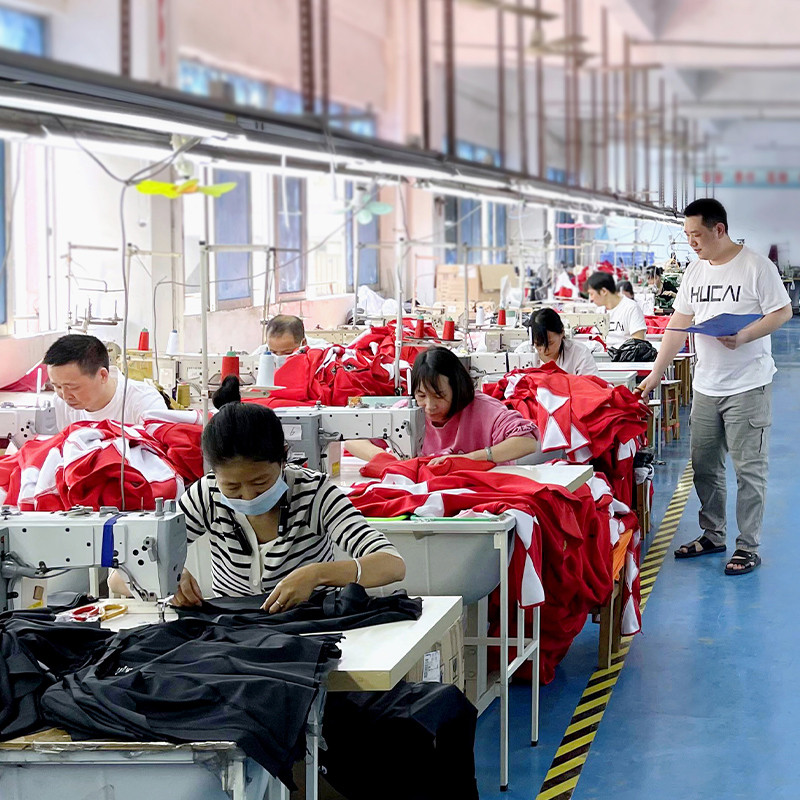
We apply AQL 2.5 quality inspection across windbreaker production, with added focus on seam sealing, zipper function, DWR consistency and packability verification. Because lightweight fabrics are less forgiving of stitching defects, pre-production reviews include a stitch-type and needle-check step specific to the shell weight. MES and ERP tracking is used to follow fabric arrival, cutting, sewing and finishing stages so issues are caught before shipment.
Final Takeaway
Men's lightweight windbreaker development is a fabric-first, detail-heavy process. The difference between a windbreaker that sells and one that returns often comes down to decisions made before sampling: shell weight, DWR realism, breathable panel placement and packability method.
Brands that treat the windbreaker as an afterthought in their collection usually end up revising samples twice. Brands that plan the shell, vents, hardware and fit as an integrated system move into bulk production faster and with fewer surprises.
If your brand is planning a windbreaker or packable jacket for Q4 or SS27, aligning these decisions early with your manufacturer will save more time than any single sample revision.