SS26 Activewear Fabric Trends: What US & European Brands Expect from Manufacturers
- Share
- publisher
- sunny
- Issue Time
- Dec 16,2025
Summary
An overview of SS26 activewear fabric trends, explaining how performance, hand feel, and sustainability influence fabric decisions for European and US brands.
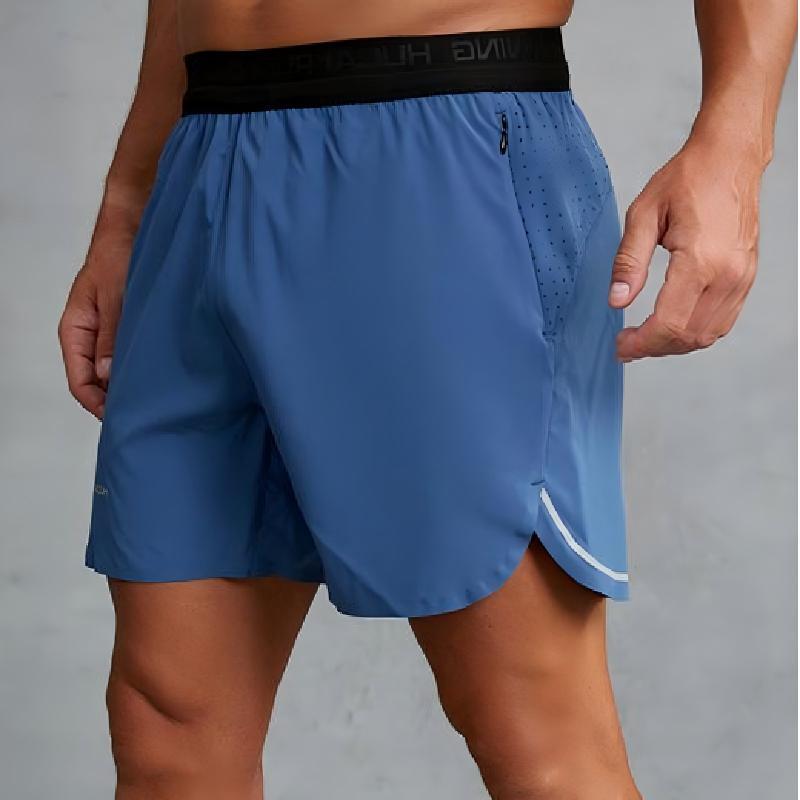
Fabric Decisions Define SS26 Sportswear Collection Success
For SS26 activewear collections, fabric decisions are no longer a downstream choice.
Brands entering development as early as December are already evaluating how fabric performance, hand feel, and sustainability align with their positioning for warmer seasons.
In mature European and US markets, fabric selection influences not only comfort and performance, but also product storytelling, pricing strategy, and repeatability across the collection. As a result, SS26 fabric planning is happening earlier and with greater scrutiny than in previous seasons.
Key Fabric Performance Requirements for SS26 Activewear
Across current SS26 discussions, several fabric performance priorities appear consistently.
1.Lightweight & Breathable Structures
Brands are favoring lighter constructions that improve airflow without compromising coverage or shape retention, especially for training, yoga, and hybrid lifestyle styles.
2.Moisture Management & Quick Dry
Improved sweat absorption and faster drying remain baseline requirements, particularly for warm-weather collections and multi-sport assortments.
3.Soft Compression & Hand Feel
Soft, controlled compression with a smooth or lightly brushed hand feel continues to dominate SS26 requests, balancing support with comfort for extended wear.
Alongside performance, sustainability has become a purchasing prerequisite, not a marketing add-on.
Recycled fibers, traceable yarn sources, and third-party certifications are increasingly expected as standard rather than optional features.
👉 Fabric Options | Request SS26 Samples & Fabric Options.
Why Fabric Readiness Matters in SS26 Sportswear Development
Many SS26 development delays originate not from design changes, but from late fabric decisions.
When fabric testing, performance validation, or color matching is postponed until after initial sampling, brands often face repeated revisions, extended timelines, and increased development cost.
Well-prepared fabric options—already tested for shrinkage, colorfastness, and performance—allow development to move forward without unnecessary interruption. This readiness supports smoother sampling and faster internal decision-making.
How Fabric Alignment Supports Faster SS26 Development
Stable fabric partnerships and established testing workflows significantly reduce uncertainty during SS26 development.
Early alignment on fabric platforms allows brands to:
-Design multiple styles around shared fabric bases.
-Finalize color directions with fewer lab-dip revisions.
-Enter sampling with clearer performance expectations.
This approach minimizes rework and helps collections move from concept to sample with greater confidence and consistency.
SS26 activewear collections are increasingly defined by fabric choices made at the earliest planning stages.
Lightweight performance, comfort-focused compression, and verified sustainability now shape how collections are designed, sampled, and commercialized.
Brands that align fabric decisions early gain greater control over timelines, product consistency, and final performance outcomes.
HUCAI supports premium activewear brands with structured fabric sourcing, performance testing, and OEM & ODM manufacturing services.
With a curated performance fabric library and established testing standards, we help brands align SS26 fabric decisions with design intent, performance needs, and production stability.
🌐 Official Website:https://www.hcactivewear.com.