Seamless Bonded Hem Training Shorts Manufacturer In China
- Share
- publisher
- 然
- Issue Time
- Feb 19,2026
Summary
This article explains why seamless bonded hems fail in bulk production and how controlled bonding ensures consistent performance for sportswear brands.
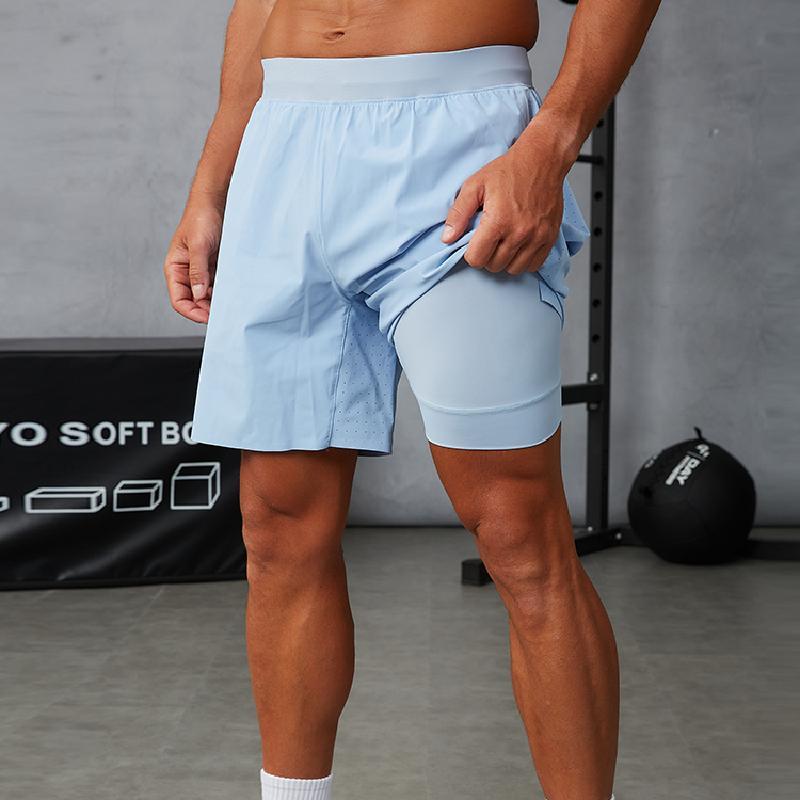
Where Seamless Bonded Hems Fail in Bulk Production
In bonded hem training shorts, most large-scale failures occur at the edge construction rather than the core fabric body. During mass production, slight deviations in heat pressure, dwell time, or adhesive film calibration can lead to post-wash edge lifting, localized stiffness, or wave distortion along the hemline. While sample units often pass visual inspection, scaling from hundreds to tens of thousands introduces machine variance and fabric tension differences that amplify instability. In high-elastic performance fabrics, even minimal elongation mismatch between the fabric and bonding film can result in hem contraction after cooling, reducing visual flatness and structural consistency.
Fabric–Adhesive Compatibility as the Primary Risk Factor
Bonded hems require alignment between fabric stretch recovery curves and adhesive film extension tolerance. If the bonding membrane cannot match the elongation range of the performance fabric, stress concentration develops at the hem boundary. Industry heat-bond testing shows that small thermal inconsistencies can alter adhesive penetration depth, directly impacting wash durability and long-term stability. In training shorts exposed to repetitive hip flexion and stride motion, this incompatibility accelerates deformation, leading to uneven drape and compromised aesthetic integrity.
How Production Stability Is Engineered
Stability in bonded hem construction depends on parameter control rather than visual sampling alone. Pre-production stretch calibration between fabric and adhesive film establishes compatible recovery ranges. Heat-pressure segmentation standardizes bonding zones to reduce machine variability. Post-bond wash validation ensures structural retention under simulated training conditions. By controlling these variables systematically, bonded hems maintain clean edges and consistent performance across large-volume production rather than relying on initial prototype success.
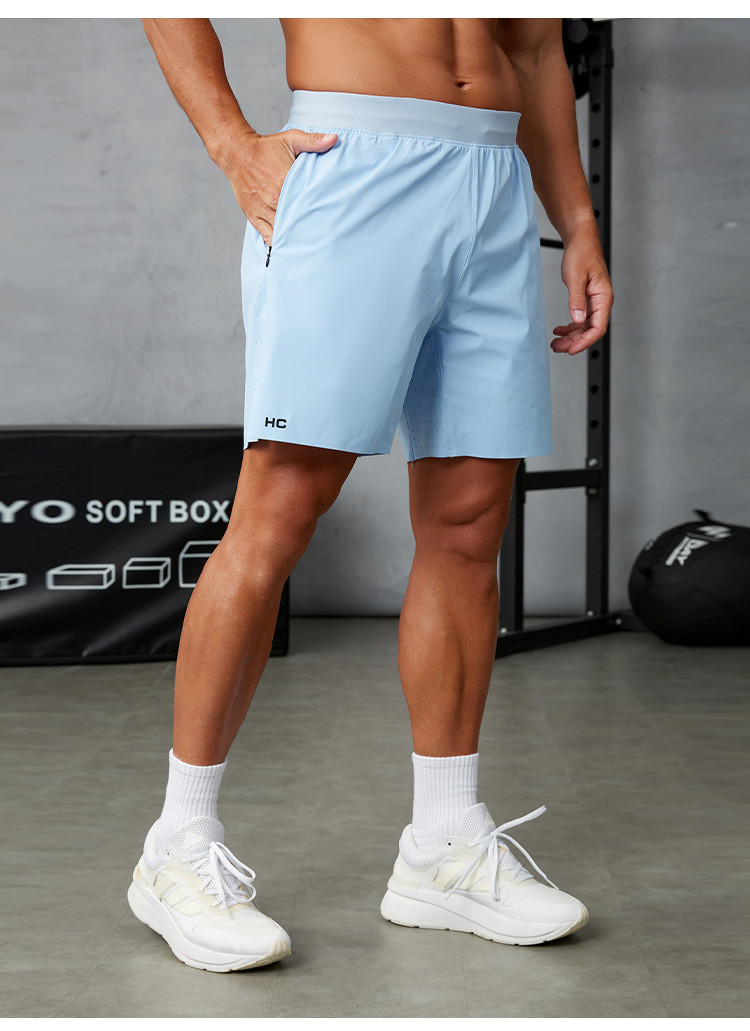
Fabric & Design
Fabric:
87%polyester 13%spandex
Design:
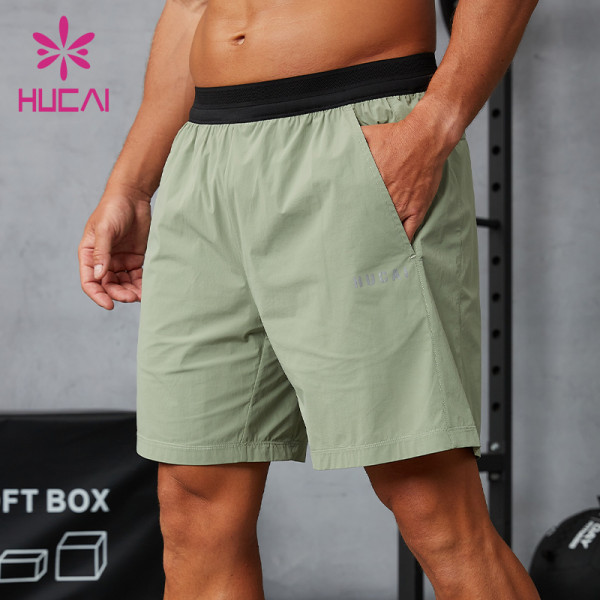
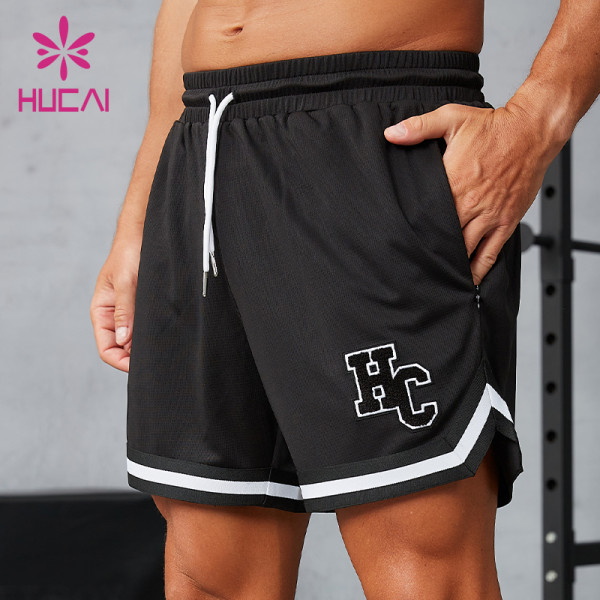
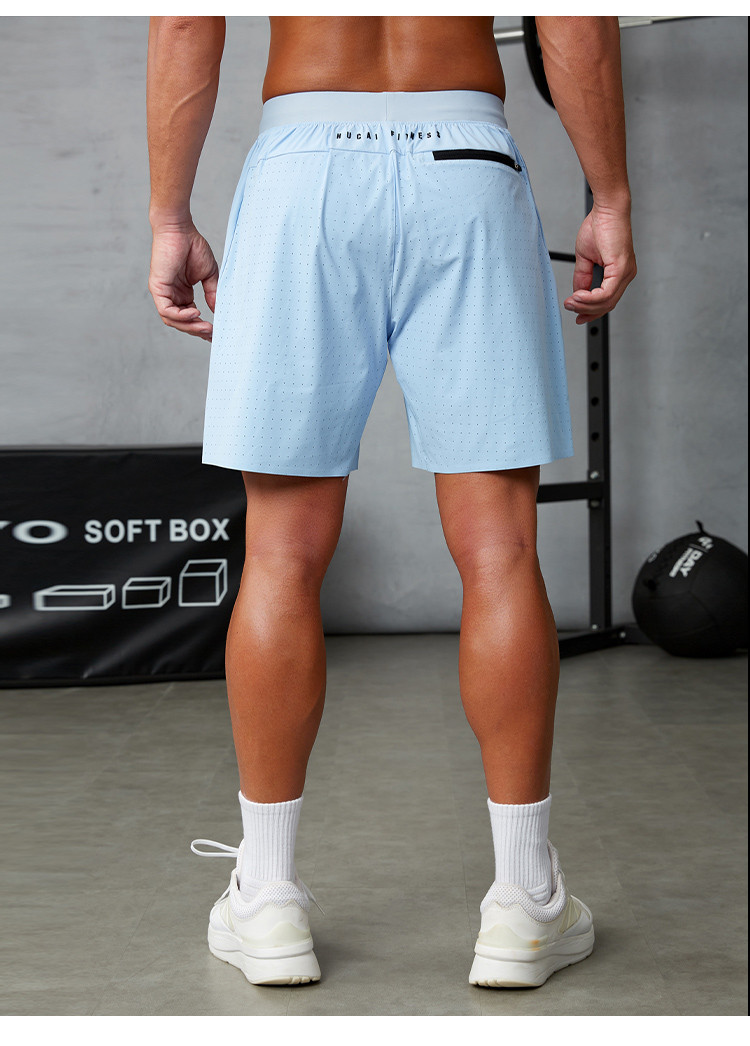
-Contrast Mesh Waistband
-Breathable Perforated Fabric Panel
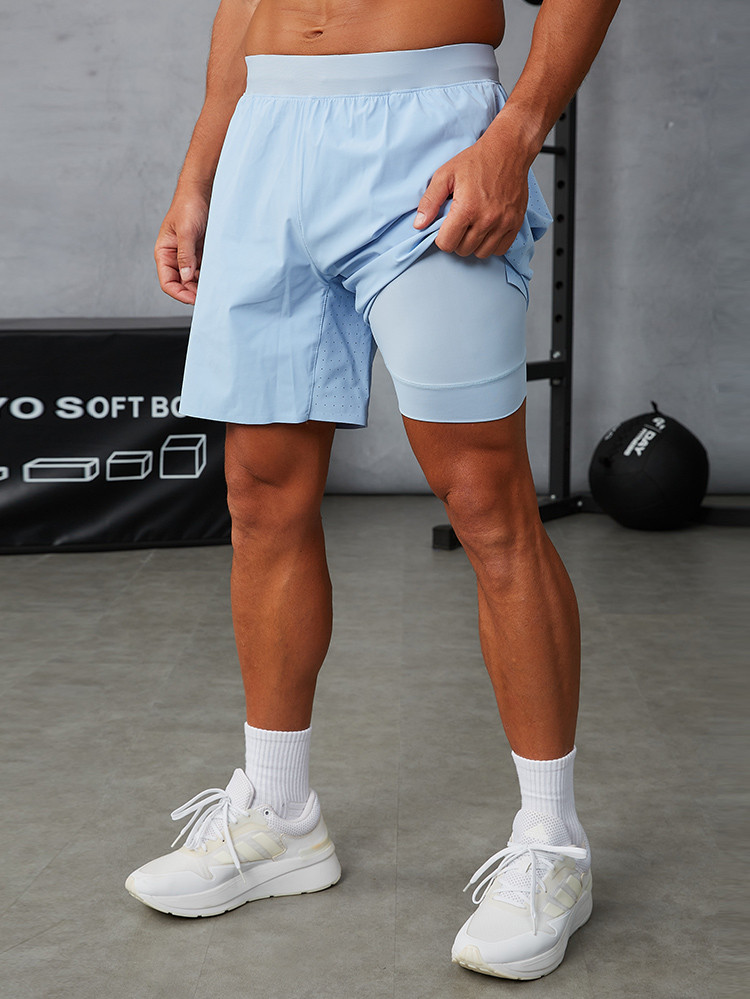
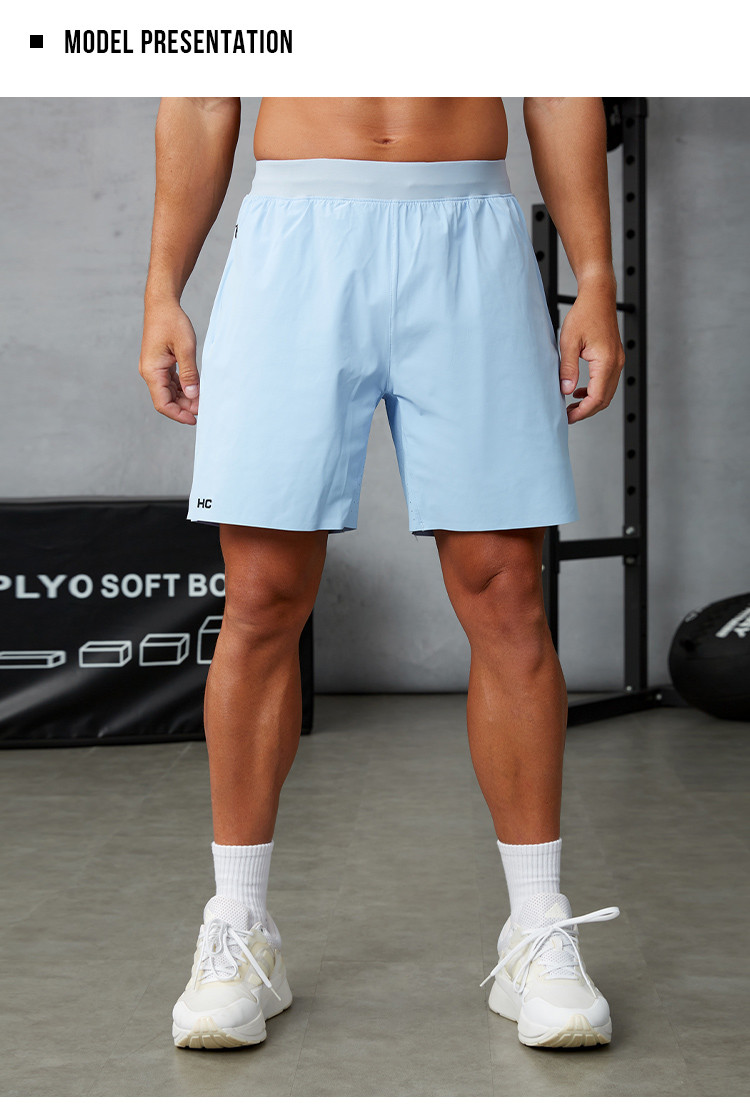
-Seamless Bonded Hem
-Contrast Sport Lining
-Black Logo Letter Print
Suitable Application Contexts
-High-intensity strength circuits
-Agility and speed-based lower-body training
-Summer performance programs
-Cross-training environments
-Premium minimalist training collections
Functional Capabilities
-Lightweight breathable performance fabric
-Seamless bonded hem eliminating stitch bulk
-Controlled stretch recovery under dynamic load
-Elastic waistband for adaptive stability
Clean-cut silhouette supporting modern athletic aesthetics
Target Consumer
-Cross-training athletes performing compound lifts
-Performance brands prioritizing clean-edge construction
-Buyers seeking stitch-free lower-leg comfort
-Mature training markets valuing minimal seam interference
-Brands targeting summer heat-management capsules
Comparable Industry Example
If you look at how lululemon developed certain iterations of the Pace Breaker Short, especially versions using clean-finished or bonded-style hems, the logic is similar. The appeal wasn’t about removing stitches for novelty — it was about removing bulk where the leg moves most. Athletes noticed the difference during longer sessions: less edge friction, less visible seam pressure, and a cleaner visual line under movement.
What made those releases perform well commercially was not just the aesthetic. It was the combination of mobility, visual refinement, and repeatable comfort. Once users experienced a hem that didn’t dig or flare during training, it became something they actively looked for again. That repeat-wear trust is what turns a technical detail into a strong-selling SKU.
How to contact us
➡️ Contact HUCAI today for your custom outerwear solution and connect with a team committed to premium quality and authenticity.