Spacer Knit for Men's Performance Sets: Structure, Recovery, Warmth and Shape Retention
- Share
- publisher
- HUCAI activewear
- Issue Time
- Sep 24,2026
Summary
Spacer knit is a three-layer knit whose internal air layer provides structure, moderate warmth and shape retention. This guide explains where spacer knit belongs in men's performance sets, how it compares with fleece and French terry, what fails first in recovery and wash, and what should be confirmed at sample stage before bulk.
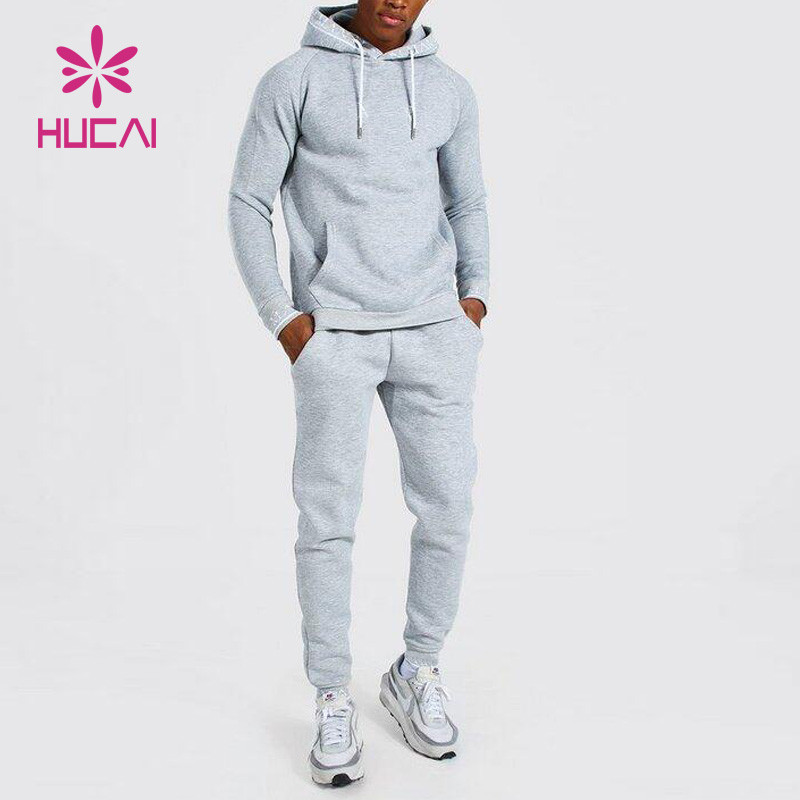
Spacer knit is one of the most misread materials in men's performance sets. Buyers often ask for it because it looks substantial on a hanger and photographs well in a gym-to-street lookbook, then discover at sample stage that the same fabric reads heavy, stiff or slow-drying once it is cut into a hoodie and a jogger. As a men's activewear manufacturer working on OEM and ODM private label programs, HUCAI activewear sees this decision play out in two directions: brands that treat spacer knit as a general upgrade, and brands that treat it as a specific product role with defined thickness, drape and recovery targets. This guide is written for private label men's activewear, custom gym wear and training set development teams who need to decide where spacer knit belongs, where it does not, and what must be confirmed before bulk. The difference between those two approaches is usually not the fabric supplier. It is the specification work done before the first sample is cut.
Quick Answer
Spacer knit is a three-layer knit: two face surfaces joined by spacer yarns that create an internal air layer. That air layer is what produces its structure, moderate warmth and shape retention. It suits men's performance sets that need body and recovery without a brushed fleece hand feel, such as a structured hoodie, a track top, or a tapered jogger in a gym-to-street set. It does not suit products where low bulk, fast drying or high stretch are the primary goal. The practical rule is that spacer knit should be chosen by product role and confirmed by thickness, drape, recovery and seam behaviour at sample stage, not selected from a fabric card because it feels substantial.
In This Guide
- What Spacer Knit Actually Means
- Structure: How the Air Layer Controls Drape and Bulk
- Where Spacer Knit Fits: Hoodies, Track Tops and Joggers
- Spacer Knit vs Fleece and French Terry
- Recovery and Shape Retention: What Fails First
- What to Confirm at Sample Stage
- Building a Coherent Performance Set
- Common Failure Patterns
- Decision Check
- Founder's Insight
- Manufacturer Notes
- FAQ
Who This Article Is For
- Growing gym-to-street and premium training brands planning a spacer knit hoodie, track top or jogger as part of a coordinated set.
- Established brands with a confirmed tech pack who are substituting or upgrading a fabric and need to know what else changes.
- Private label buyers building a tracksuit or performance set where jacket and pant must share a fabric family, colour story and trim language.
- Startup brands validating whether spacer knit is the right first fabric for a set, or a material to schedule later.
What You Get From This Guide
A working decision framework rather than a fabric description: what the air layer physically does to a garment, which men's performance set products it genuinely suits, how it compares with fleece and French terry on the variables buyers actually specify, which failure points appear first in wear and wash, and the confirmation list we run at sample stage before a spacer knit set moves to bulk.
What Spacer Knit Actually Means
The term is used loosely in sourcing conversations, so it is worth separating the material from the marketing. A true spacer knit is a three-dimensional structure: a top face, a bottom face, and a layer of spacer yarns that holds the two faces apart. The gap between them is the air layer, and almost everything buyers describe as "spacer quality" comes from it. Market observations across leading performance and lifestyle activewear lines show how differently this is deployed: brands working in the gym-to-street direction use heavier double-face knits for structure and silhouette, while running-first lines stay with single-face technical knits and add warmth through layering instead.
That difference is not a preference. It is a structural consequence. Because the air layer adds volume without adding a brushed surface, spacer knit gives body and a clean face finish simultaneously. Fleece achieves warmth through a raised inner surface, which softens the hand feel but changes how the fabric moves and how the garment reads under a logo. French terry sits between the two: a looped back with more drape than fleece and less built-in structure than spacer.
Structure: How the Air Layer Controls Drape and Bulk
The air layer is a thickness decision before it is a fabric decision. Thicker spacer reads more structured, holds a cleaner shoulder and hood line, and resists collapse at a kangaroo pocket or a zip placket. It also consumes more volume at every seam. A seam that sits flat on a medium-weight single knit can become a visible ridge on a thicker spacer, which is why seam construction, not just fabric, has to be reviewed together at sample stage.
Experienced sportswear pattern makers and cutting technicians consistently point out that the same spacer specification behaves differently depending on what it is cut into. A straight, panel-driven track top hides seam bulk well. A shaped jogger with a tapered leg and knee shaping concentrates that bulk at the outer leg and the cuff, where it becomes visible in movement.
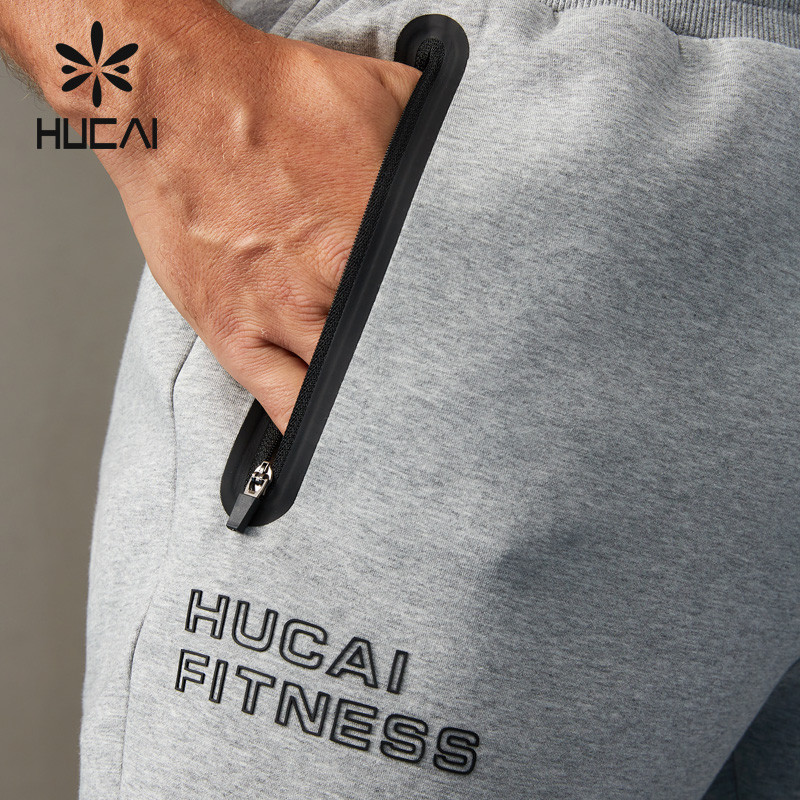
Drape is the other half of the same decision. A spacer knit that holds shape in a hoodie may look rigid in a lightweight jogger, because drape is a function of thickness against the garment's own width. Italian and Portuguese knit mills, and the higher-volume Asian mills that supply most private label activewear programs, both publish thickness and weight ranges rather than a single number, precisely because the same construction can be finished at several different volumes.
Where Spacer Knit Fits: Hoodies, Track Tops and Joggers
The clearest fit for spacer knit is the structured hoodie or track top, where the fabric's body is doing work that a lighter knit cannot do. Hood structure holds a fuller shape, the kangaroo pocket keeps a defined edge, and a zip placket sits flat instead of wavy. For gym-to-street collections this is usually the garment that carries the set.
The jogger is the second strong application, provided thickness is matched to the silhouette. A tapered jogger in medium-weight spacer keeps a clean line from hip to cuff, holds a ribbed cuff without stretching out of shape, and stays present enough to read as part of a set rather than as a separate basic. A wide, loose jogger in the same fabric tends to look heavier than intended, because there is more surface area carrying the same volume.
Where spacer knit fits least well is in close-fitting training products. Compression shorts, compression tights and next-to-skin base layers are governed by stretch recovery and low bulk, not by structure. Feedback across training and lifting communities, including threads on Reddit's r/weightroom, repeatedly flags heavy double-face fabrics as uncomfortable in close-fit applications for exactly this reason: they hold volume but do not move with the body.
Spacer Knit vs Fleece and French Terry
Most sourcing decisions are not "spacer or nothing". They are spacer against fleece and French terry, and each wins on a different variable. The table below is a comparison framework, not a ranking: the right choice depends on the product role you defined first.
| Variable | Spacer Knit | Fleece | French Terry |
|---|---|---|---|
| Structure and body | High, from the internal air layer | Medium, from thickness and loft | Medium to low, looped back |
| Surface finish | Clean, smooth face on both sides | Raised, brushed inner face | Flat face, looped inner face |
| Warmth per unit thickness | Moderate, air layer traps still air | Higher, loft traps more air | Lower |
| Drape | Firmer, holds silhouette | Softer, more collapse | Softest of the three |
| Seam bulk at medium thickness | Higher, needs construction review | Moderate | Lower |
| Visual weight under a logo | Higher, print and silicone read strongly | Lower, surface absorbs detail | Medium |
| Matched product role | Structured hoodie, track top, tapered jogger | Warm-up and recovery pieces | Everyday training basics |
| Seasonal positioning | Transitional to cooler weather | Cold weather | Three-season |
Two clarifications matter here. First, spacer knit is not automatically a higher grade than French terry; it is a different structure serving a different role. Second, none of these three is a single specification. Weight, thickness, stretch content and finishing vary widely within each family, which is why the comparison only becomes useful once you have numbers attached.
Recovery and Shape Retention: What Fails First
Shape retention is usually the reason a brand chooses spacer knit, and it is also where the earliest failures appear. Under standard textile wash-and-wear testing logic, and according to ISO 6330 dimensional stability principles, a knit garment's dimensional behaviour after repeated laundering is driven by yarn structure, relaxation shrinkage and elastane content rather than by thickness alone. A thicker spacer does not automatically hold its shape better than a thinner one if the recovery mechanism is weak.
The ASTM D2594 stretch testing logic for knit fabrics is a useful mental model for buyers: growth under extension and the ability to return matter more than the initial stretch figure. In practice, the three points that fail first in a spacer knit men's set are the cuff, the waistband and the knee area of the jogger.
Training and running communities describe the same pattern from the consumer side. Discussions in running and strength forums frequently cite waistband roll-over and cuff slackening as the first visible signs of ageing in a heavy track set, typically well before the garment shows surface wear. That is observable at sample stage: a cuff that recovers cleanly after repeated stretch and a waistband that holds its width after a laundering cycle indicate the construction is matched to the fabric. HUCAI activewear reviews cuff and waistband behaviour as a separate checkpoint from fabric approval for this reason, because the trims carry most of the recovery demand in a spacer knit set.
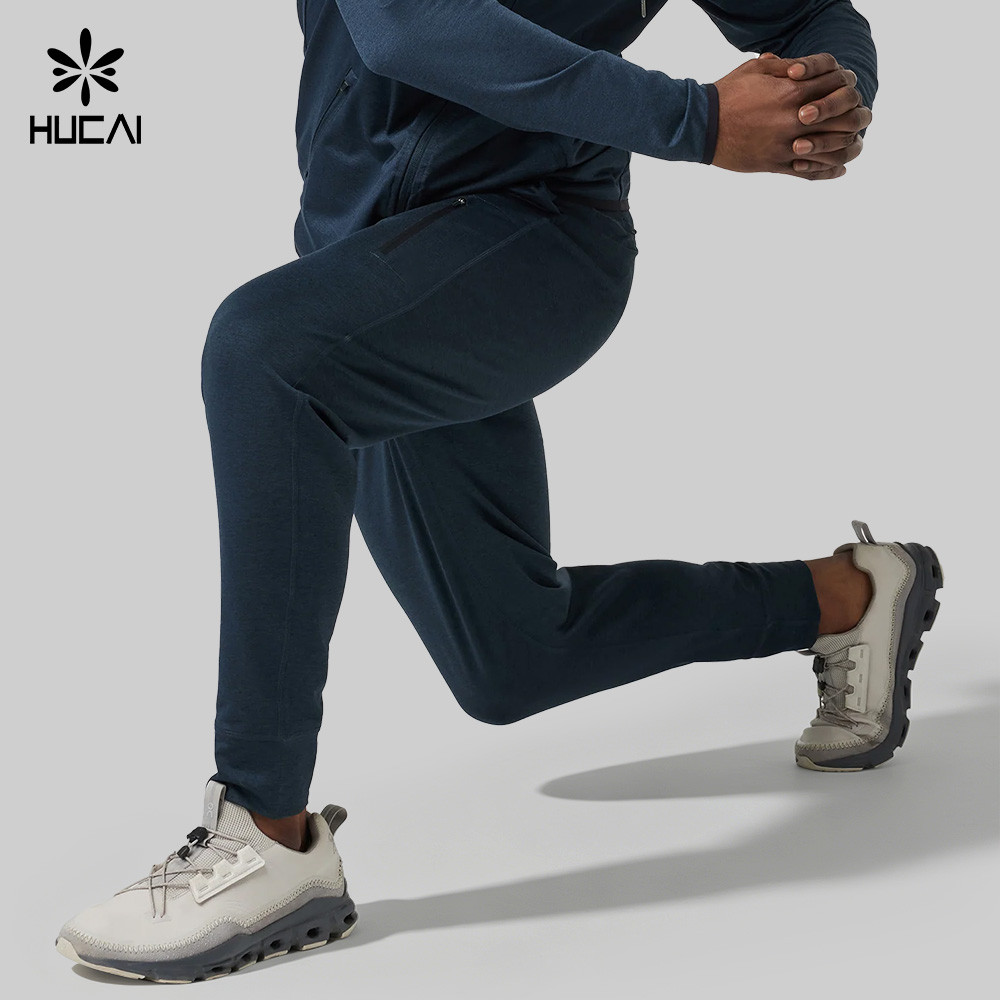
Warmth behaves in a similar way. The air layer provides insulation by holding still air, so warmth is a function of layer thickness and face construction rather than of fabric weight printed on a swatch card. A medium-thickness spacer with a closed face can read warmer than a heavier open structure, which is why warmth claims should be validated on a made-up garment rather than on the fabric alone.
What to Confirm at Sample Stage
Spacer knit programs tend to succeed or fail on five confirmation points. All of them belong in the pre-production review, not in a post-bulk correction.
- Thickness and weight as cut, not as quoted. Confirm the finished garment's hand and drape against the approved reference, because mill quotes for the same family can be finished at several volumes.
- Drape in the actual silhouette. Review the made-up jogger and hoodie separately. The same fabric can pass in one and fail in the other.
- Seam bulk at the highest-density points. Check shoulder, placket, pocket edge and outer leg on the finished sample, and confirm whether seam type or allowance needs adjusting.
- Recovery at cuff, waistband and knee. Stretch and release the trims repeatedly and check return, then re-check after a laundering cycle.
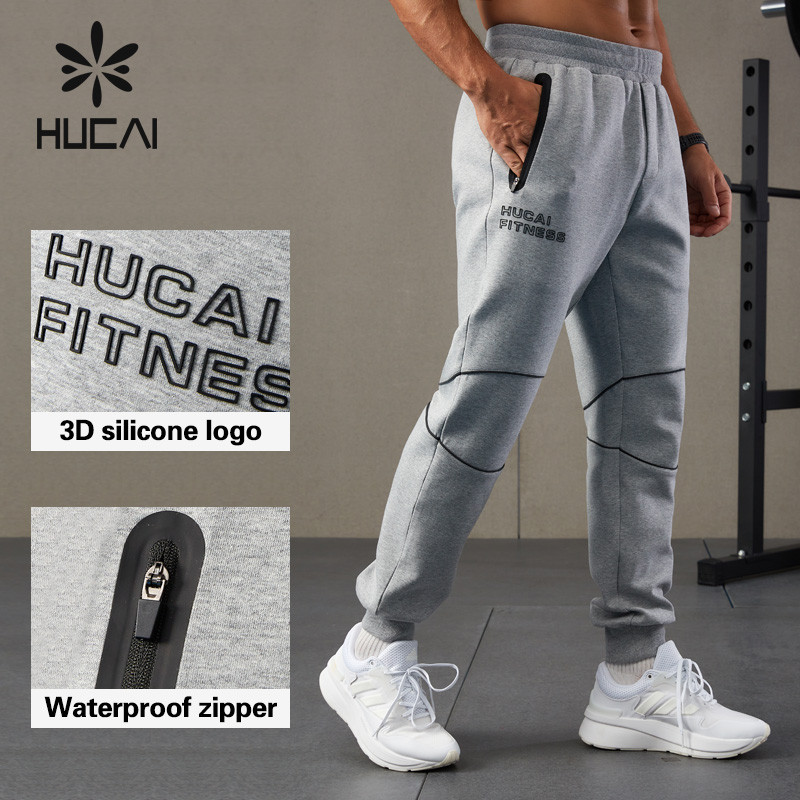
- Zipper and trim compatibility. A heavier fabric changes zipper behaviour at a pocket or placket; confirm the zip sits flat and does not pucker once the garment is worn.
Sample timing depends on fabric availability, pattern work, logo method, fit adjustment and revision rounds, and bulk timing depends on the approved sample, fabric and trim readiness, order quantity, production scheduling and QC checkpoints. Spacer knit adds one variable to that list: the fabric's behaviour changes more between thicknesses than within most single-face technical knits, so a fabric substitution late in the process can trigger a pattern review rather than a simple swap.
Building a Coherent Performance Set
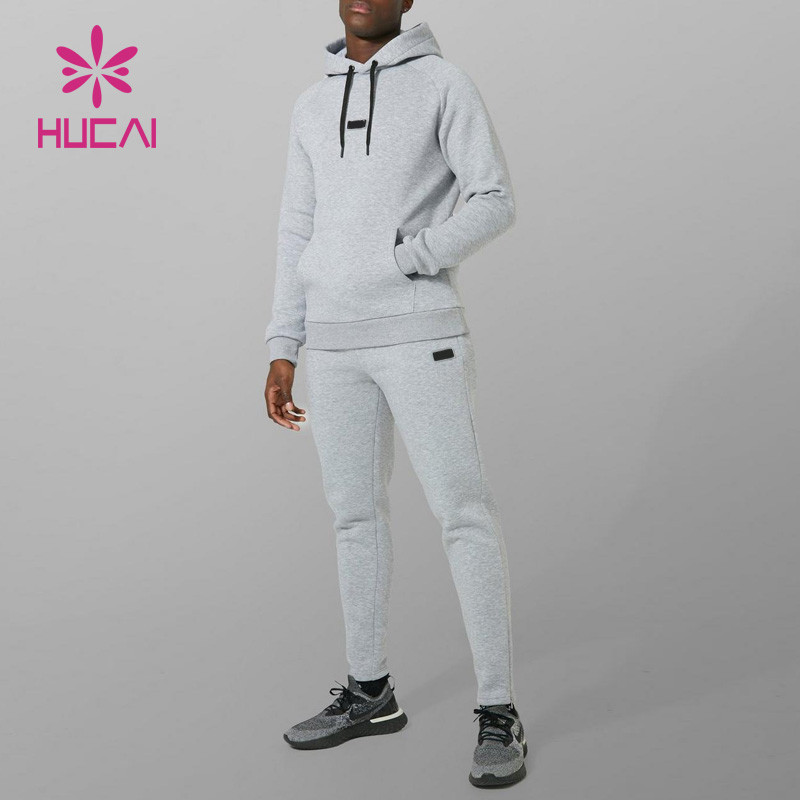
A spacer knit set reads as one product only when jacket and jogger share more than a fabric name. The variables that hold a set together are fabric family and thickness, colour story, fit language, trim family and branding scale.
The most common inconsistency in men's performance sets is a mismatch of thickness between top and bottom. A hoodie cut from a thicker spacer over a jogger cut from a thinner one looks like two garments from different collections even in the same colour. The reliable approach is to lock the fabric family and then set thickness per product role, recording both numbers in the same specification sheet.
Trim family is the second lever. Rib, drawcord, zipper tape and elastic should be approved as a group, because a jogger cuff and a hoodie hem rib that age at different rates break set consistency faster than any colour difference. This is also where a spacer knit set earns its price positioning: visible, consistent construction reads as a deliberate collection rather than as separate basics.
Common Failure Patterns
- Choosing spacer knit for every cold-weather SKU. The fabric is then asked to serve roles it was not selected for, and the lightweight and close-fit products suffer.
- Approving on swatch weight rather than on garment drape. The fabric is approved flat, then reads heavy once cut into a full jogger.
- Ignoring seam bulk at approval. Thicker material concentrates volume at every seam, which shows up first at plackets and pocket edges.
- Treating recovery as a fabric property only. In practice the cuff, waistband and knee recover through trims and construction as much as through the knit itself.
- Substituting thickness after sample approval. A change in volume is a pattern decision, not only a sourcing decision.
Decision Check
Run this list before committing a spacer knit set to bulk. A men's activewear manufacturer should be able to answer each point with data from the approved sample:
- Is the product role defined as structured set piece, not general cold-weather coverage?
- Is thickness specified per product role for top and bottom, and recorded in one specification sheet?
- Has drape been reviewed on the made-up garment in the actual silhouette?
- Has seam bulk been checked at shoulder, placket, pocket edge and outer leg?
- Have cuff, waistband and knee recovery been tested before and after laundering?
- Has zipper and trim compatibility been confirmed against the finished garment?
- Is the branding method matched to the fabric face, including print and silicone weight?
- Has the internal team confirmed that spacer knit, not fleece or French terry, is the correct structure for this role?
Whether these points can be answered from documented sample records is itself a useful way to assess a supplier. At HUCAI activewear the review runs from confirmed construction and trim details rather than from the swatch card, so a spacer knit set is approved on garment behaviour.
Founder's Insight: Jean Yuan on Thickness Tolerances and Set Consistency
"As Jean Yuan, Founder of HUCAI activewear, points out from over two decades of technical apparel production: the failures I see in spacer knit programs are rarely caused by the wrong fabric. They are caused by an unrecorded thickness tolerance between the top and the bottom of a set, or between the approved sample and the bulk lot. Two mill lots of the same spacer family can be finished at slightly different volumes, and on a full garment that difference reads as a change in drape rather than as a measurement change, so it passes incoming inspection on the measuring table and fails on the wearer. Our approach is to define thickness as a tolerance band with a target, not as a single number, and to confirm the hoodie and the jogger on the same review table so the set is judged as one product. When a brand asks to substitute a thicker spacer after sample approval, we treat it as a pattern review, because in a structured garment the volume change moves the shoulder line, the placket and the knee shaping together.'
Manufacturer Notes
Structurally, spacer knit set development is a coordination problem as much as a fabric problem. Fabric, trims, pattern, sample, bulk and QC tracking have to reference the same confirmed specification, or a volume tolerance approved at development stage never reaches the cutting table.
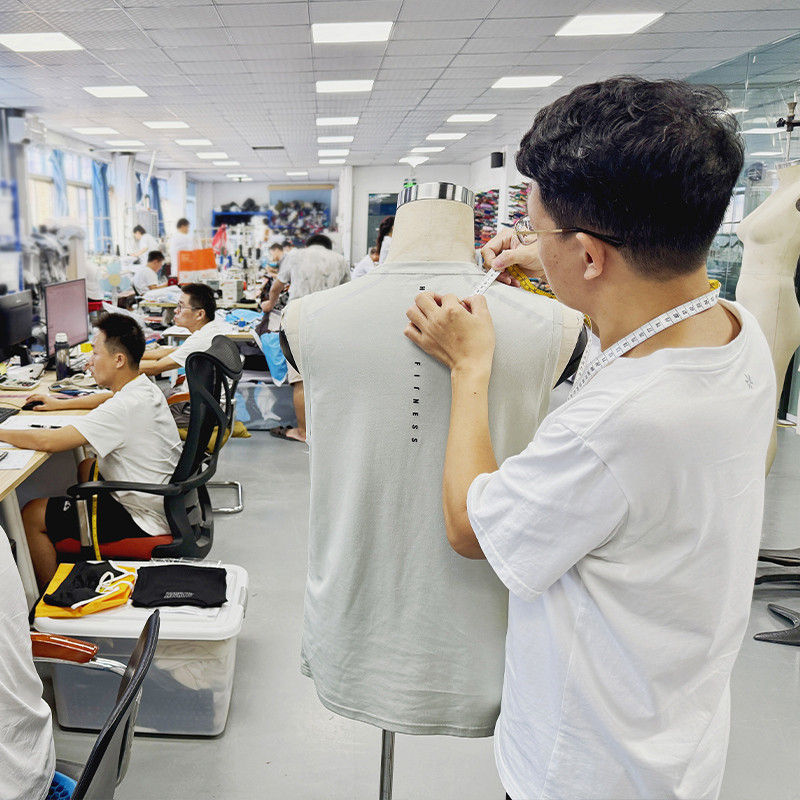
That is the reason a pre-production review matters more than a swatch approval. For spacer knit sets, the points worth checking in the sample room are thickness against the tolerance band, drape on the made-up hoodie and jogger, seam bulk at the highest-density points, and trim recovery at cuff, waistband and knee. Where a program is running across several colourways and size grades, the same checkpoints repeat at the first bulk garment rather than only at sample. HUCAI activewear combines OEM and ODM development support with quality checkpoints, AQL 2.5 inspection logic and sample-to-bulk follow-up, so thickness and construction decisions made at development stage stay visible through production. Timing is confirmed against fabric and trim readiness, order quantity and production scheduling rather than stated as a fixed figure, because a spacer knit set carries one more confirmation step than a single-face knit program.
FAQ
What is spacer knit in men's performance sets?
Spacer knit is a three-layer knit construction with two face surfaces joined by spacer yarns, creating an internal air layer. In men's performance sets it is used for structured hoodies, track tops and tapered joggers where body, moderate warmth and shape retention matter more than low bulk or fast drying.
Is spacer knit better than French terry?
Neither is higher grade. They are different structures serving different product roles. Spacer knit gives firm drape and structure from its air layer; French terry gives a softer hand feel and more drape with less built-in body. The right choice depends on whether the garment needs to hold a silhouette or move softly.
What thickness should a spacer knit hoodie and jogger use?
Thickness should be set per product role rather than as one number for the whole set. Common practice is to define a target thickness with a tolerance band separately for the top and the bottom, then confirm drape on both made-up garments, because manufacturers finish the same spacer family at several different volumes.
Can spacer knit be used for compression wear?
It is generally a poor fit for close-fitting compression products. Compression shorts, compression tights and next-to-skin base layers are governed by stretch recovery and low bulk, and a thicker double-face construction adds volume without improving those properties.
How do we check shape retention before bulk?
Stretch and release the cuff, waistband and knee repeatedly on the approved sample and check how cleanly they return, then repeat after a laundering cycle. Dimensional behaviour under standard wash testing logic is driven by yarn structure, relaxation shrinkage and elastane content rather than by thickness alone.
What is the MOQ for a custom spacer knit set?
HUCAI activewear works from MOQ from 200 pcs / style as a general reference. The final figure still depends on fabric, colour, size range, customization, trims, logo method and order structure, so it is confirmed against the specific program rather than quoted as a flat number.
Do we need a tech pack before starting spacer knit development?
Not necessarily. Brands with a complete tech pack usually follow an OEM route; brands working from reference images or a collection direction typically use ODM support, where fabric, fit, sample and collection planning are developed together. Both routes converge on the same sample-stage confirmation list.
What should be confirmed before a quotation or MOQ discussion?
Product role, target thickness range for top and bottom, fabric family, colour direction, trim family, branding method, size range and order structure. Once those are aligned, sample timing and bulk timing can be estimated against fabric availability, pattern work and production scheduling.
Final Takeaway
Spacer knit is a strong choice for men's performance sets when it is chosen for a specific role: a structured hoodie, a track top or a tapered jogger that needs body, moderate warmth and shape retention. It is a poor default for an entire cold-weather range, and it is a poor fit for close-fitting compression products. The decision is settled by thickness, drape, seam behaviour and trim recovery confirmed on the made-up garment, and by whether the top and bottom of the set are judged against the same tolerance band.
Next Step
- Ready to develop your men's spacer knit set? Share your tech pack, reference images or target product direction and we will review thickness, drape and set consistency against your chosen silhouettes.
- Need development support for a gym-to-street collection? Explore ODM development for fabric, fit, sample and collection planning, including custom men's tracksuits and jogger and sweatpant development.
- Still comparing materials? Review our men's hoodies and jackets range or start an inquiry through the inquiry form once your fabric question is defined.
Trust Notes. This guide is written from men's activewear development practice, not from a single fabric catalogue. Spacer knit, fleece and French terry are compared on the variables buyers actually specify, and every confirmation point listed above is drawn from sample and pre-production review rather than from a performance claim. HUCAI activewear provides OEM, ODM and private label support for men's activewear with pattern and sample development, fabric and trim customization, logo, label and packaging customization, AQL 2.5 inspection logic and sample-to-bulk follow-up. No certification, test result, customer name or order figure is claimed in this article.