Training Shorts vs Running Shorts: Mesh Design Differences
- Share
- publisher
- 然
- Issue Time
- Feb 3,2026
Summary
Training shorts and running shorts use mesh differently—this article explains why those design choices matter for performance.
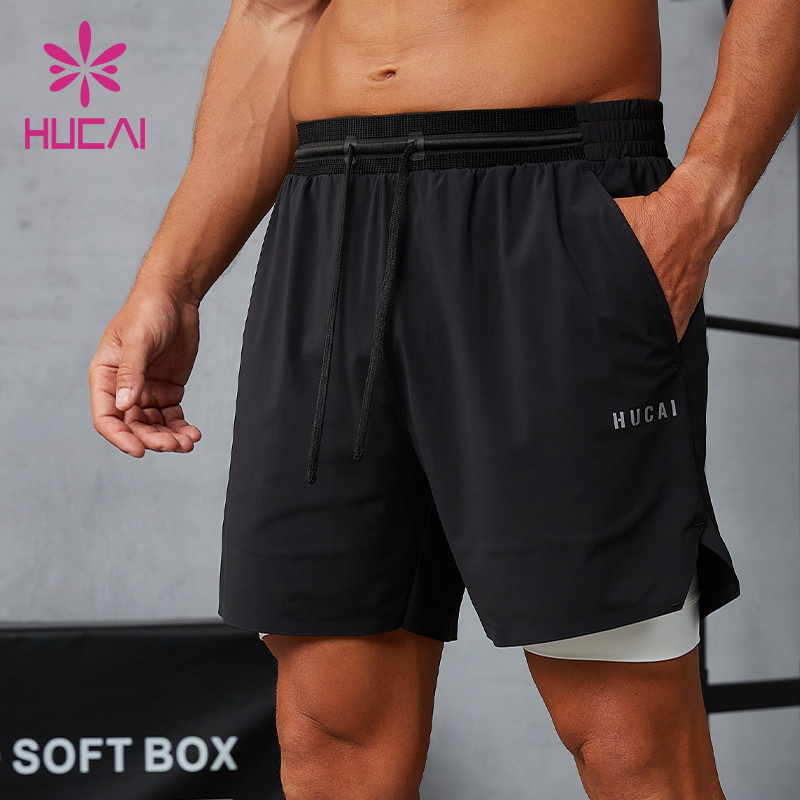
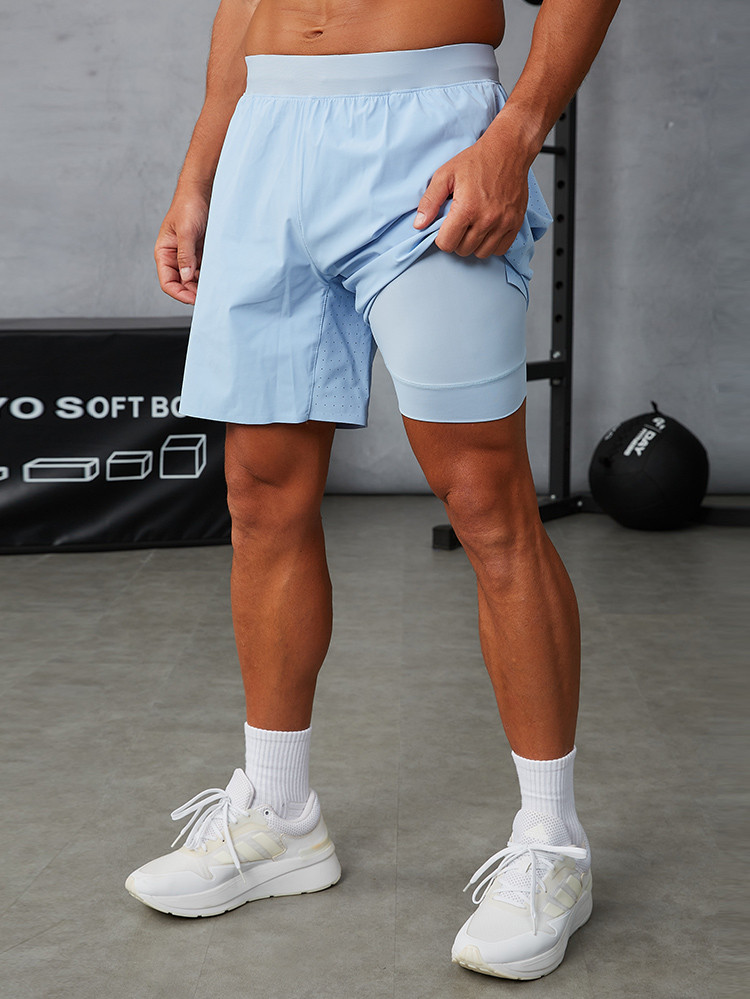
Mesh Design in Training Shorts: Stability Comes First
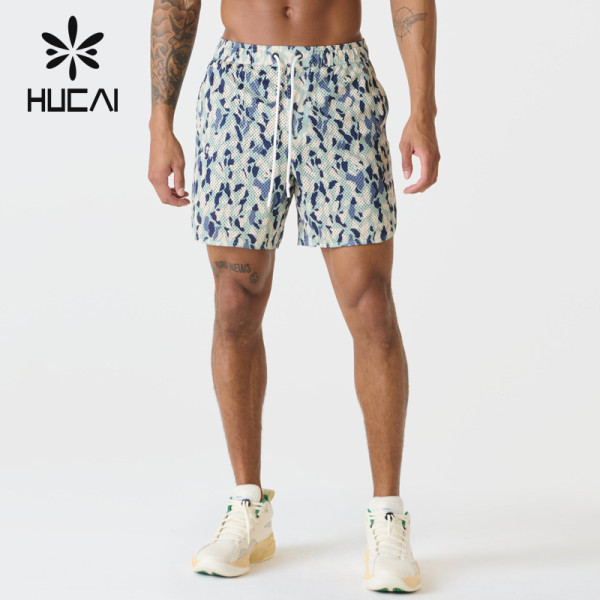
Training shorts are built for multi-directional movement. Squats, lunges, lateral steps, and repeated changes in posture place constant stress on the garment. In this context, mesh is used selectively rather than extensively. The goal is to release heat without sacrificing structure.
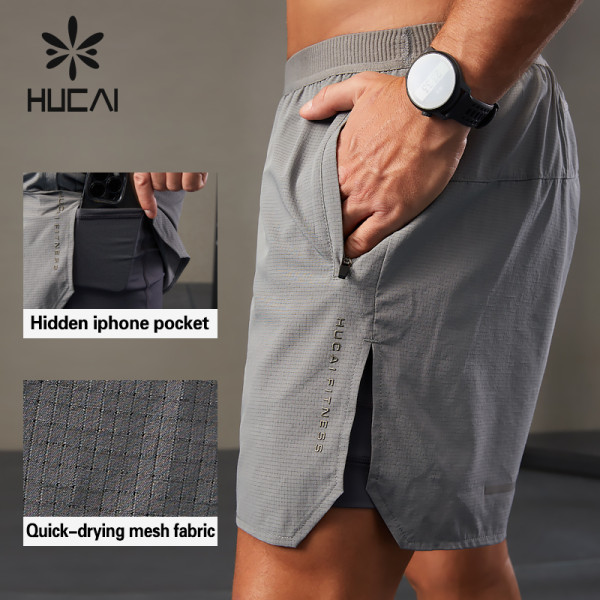
Mesh in training shorts is most effective when placed in areas that ventilate without carrying load, such as side panels or controlled inner-thigh zones. Overusing mesh or placing it in high-stress areas can lead to deformation, transparency, or premature wear. From a manufacturing perspective, training shorts require mesh that balances breathability with shape retention, ensuring the garment stays stable during strength and functional training.
Mesh Design in Running Shorts: Airflow and Weight Reduction
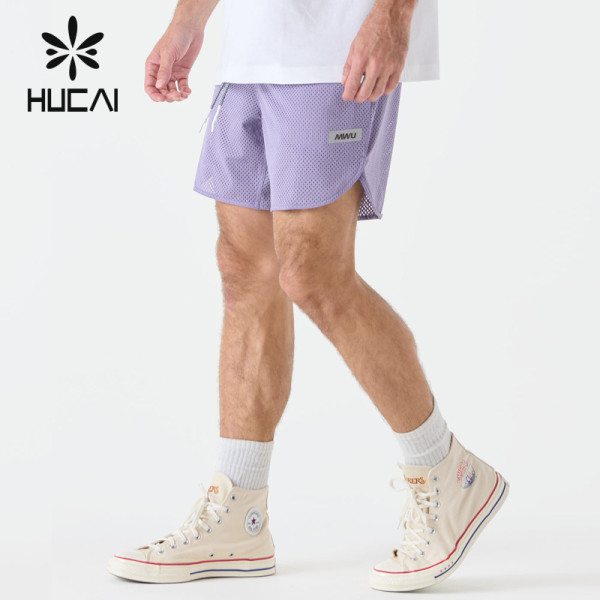
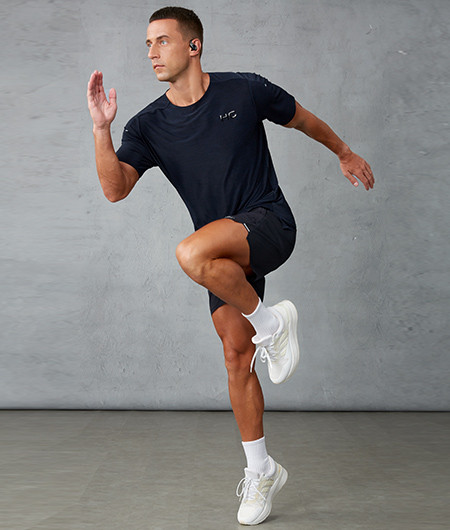
Running shorts prioritize airflow and weight reduction. Movement is repetitive and linear, and heat builds quickly during sustained motion. As a result, mesh is often used more aggressively than in training shorts, sometimes as large panels or integrated into the liner structure.
In running shorts, mesh placement focuses on maximizing ventilation while minimizing drag and moisture retention. Lightweight mesh fabrics are commonly used to enhance cooling and reduce overall garment weight. However, this approach requires precise control during production—poor tension management or inconsistent stitching can affect comfort and long-term durability, especially across different sizes.
Why the Difference Matters for Activewear Brands
The key distinction is this: training shorts use mesh to support performance stability, while running shorts use mesh to enhance airflow efficiency. When brands overlook this difference and apply a one-size-fits-all mesh solution, products may look acceptable but underperform in real use.
From a product development standpoint, aligning mesh design with the intended activity helps reduce fit issues, improve wearability, and increase repeat purchases. For brands working with custom sportswear programs, understanding these mesh design differences allows for clearer communication with manufacturers and more predictable production outcomes.
Well-designed mesh is rarely noticed by the end user—but poorly designed mesh is felt immediately. That difference is often what separates a short-lived product from a long-term core item in an activewear collection.
You are welcome to learn more about our manufacturing approach here: