Warm-up Jackets vs Track Jackets: What’s the Real Difference in Activewear?
- Share
- publisher
- 然
- Issue Time
- Feb 2,2026
Summary
This article explains the real differences between warm-up jackets and track jackets, focusing on performance use, design intent, and how activewear brands should choose between them.

Why Warm-up Jackets and Track Jackets Are Often Confused
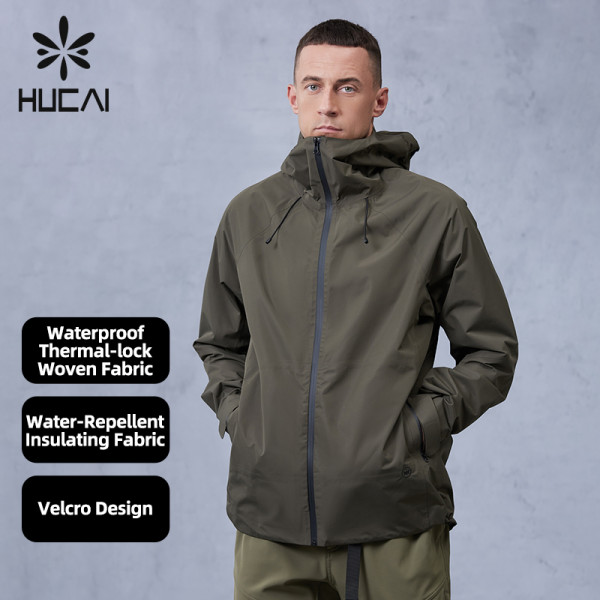
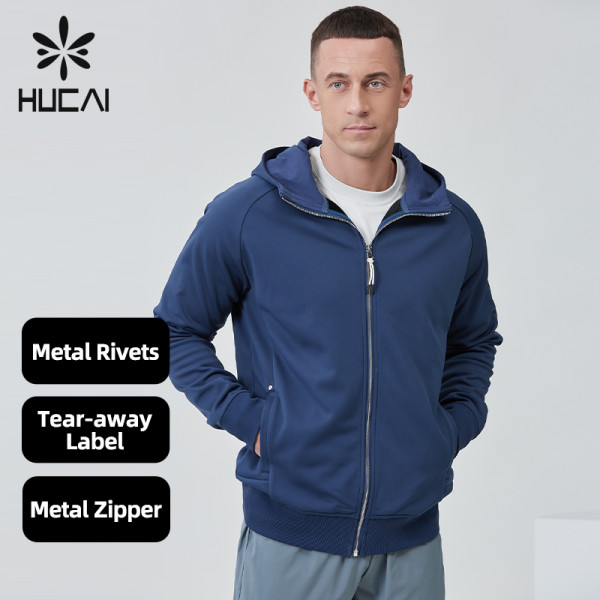
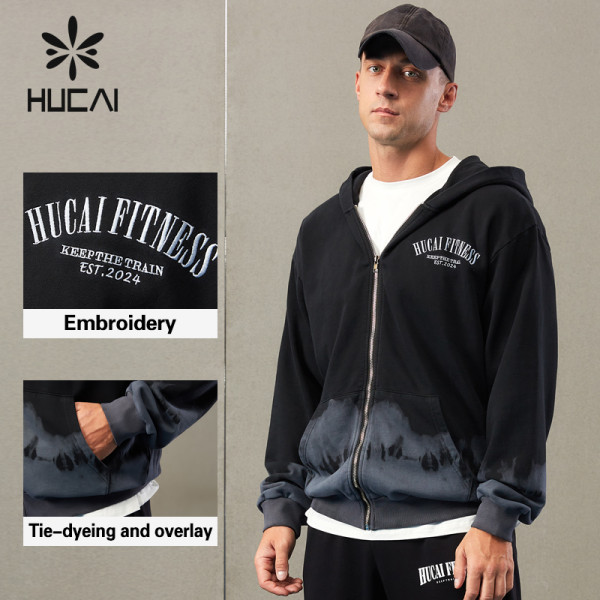
Warm-up jackets and track jackets are frequently grouped together because they look similar at first glance. Both are lightweight, zip-front jackets commonly used in sports and training environments. However, this visual similarity often leads to product decisions that ignore how these jackets are actually worn.
The confusion usually starts at the product planning stage. Many brands categorize both items simply as “training jackets,” without clearly defining when, why, and how each one should be used. As a result, jackets may feel too heavy during movement, too light after training, or unsuitable for layering—issues that only become obvious once products reach real users.
From a performance perspective, warm-up jackets and track jackets are designed for different moments in an athlete’s routine. Understanding that difference is essential before development even begins.
Key Performance Differences Between Warm-up Jackets and Track Jackets
Warm-up jackets are designed to manage body temperature before and after activity. Their primary role is to retain warmth while allowing quick heat release once movement begins. This means they are often worn briefly—during warm-up, rest intervals, or cooldown—and removed once the body reaches peak performance temperature. Because of this, warm-up jackets prioritize lightweight insulation, flexibility, and easy layering.
Track jackets, on the other hand, are built for extended wear. They are commonly worn throughout training sessions or as part of team or travel apparel. Performance-wise, track jackets focus more on comfort during steady movement, durability, and shape retention. They are less about rapid temperature change and more about consistent wearability.
When brands fail to separate these performance roles, jackets tend to underperform. A warm-up jacket built like a track jacket may feel restrictive or heavy during motion, while a track jacket developed with warm-up logic may lack structure and durability for repeated use.
How Activewear Brands Should Choose Between Them
The decision between developing warm-up jackets or track jackets should start with usage timing, not appearance. Brands need to ask a simple question first: Is this jacket meant to be worn briefly around training, or consistently during activity and daily movement?
For brands working with a sportswear manufacturer, this distinction affects everything from fabric selection to pattern structure and production planning. Warm-up jackets require materials that respond quickly to temperature changes, while track jackets demand stability and long-term comfort across repeated wears.
Choosing the right category early helps reduce product revisions, improves wearer satisfaction, and leads to more predictable reorders. In activewear collections, the most successful jackets are not the ones that try to do everything, but the ones that perform one role exceptionally well.
Learn more about our manufacturing approach here: