What Affects Men's Gym T-Shirt Bulk Consistency: Shrinkage, Color Fastness and Dye Lot Control
- Share
- Issue Time
- Aug 13,2026
Summary
A B2B guide for established men's activewear brands preparing for bulk production. Covers shrinkage control, color fastness testing, dye lot management, and pre-bulk confirmation checklists to prevent common bulk inconsistencies.
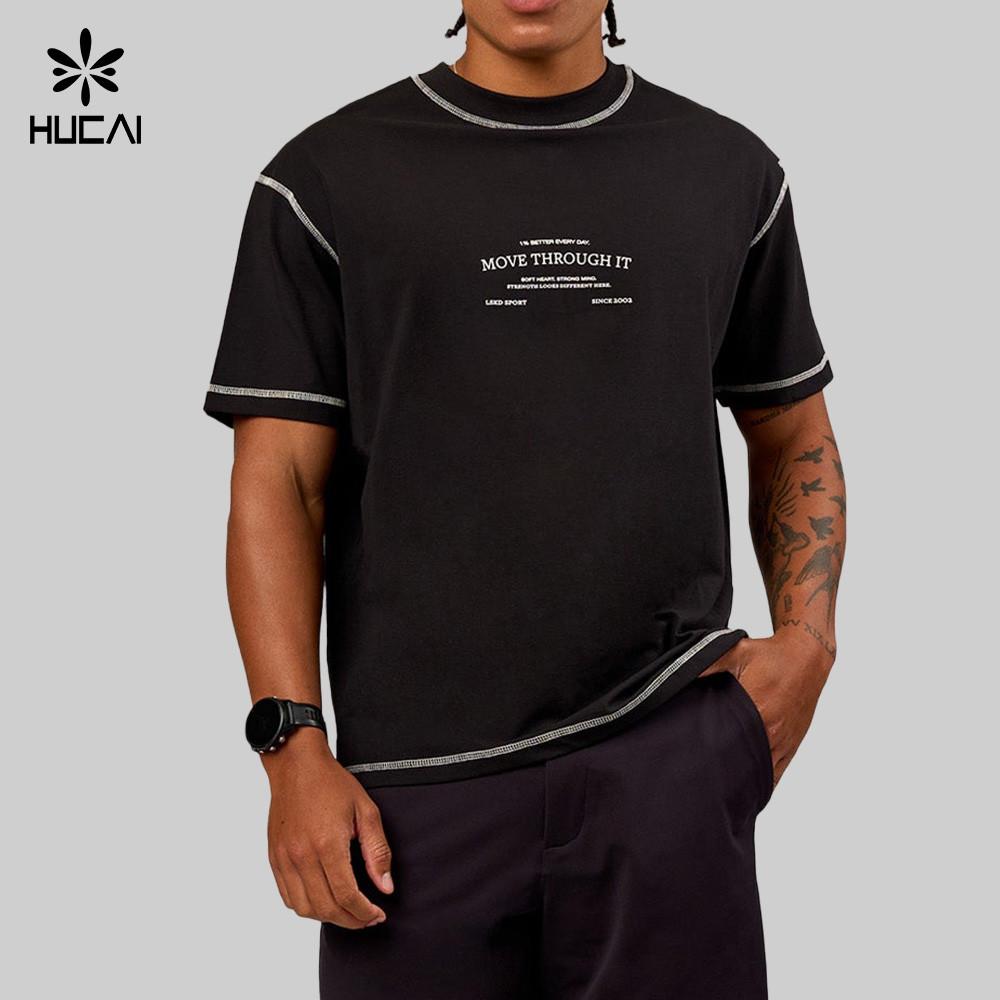
Bulk consistency is one of the most common pain points for established men's activewear brands moving from sampling to production. When the first bulk delivery of gym T-shirts arrives with unexpected shrinkage, color variation between dye lots, or surface defects that were not visible in the approved sample, the problem is rarely a single mistake. It is usually a gap between how the sample was made and how the bulk was planned.
At HUCAI activewear, we work with brands that already have tech packs, confirmed specs, and approved samples. The challenge they face is not design. It is making sure the bulk order behaves the same way the sample did. This article breaks down the three most common causes of bulk inconsistency in men's gym T-shirts—shrinkage, color fastness, and dye lot control—and what brands should confirm with their manufacturer before production starts.
Quick Answer
Men's gym T-shirt bulk inconsistency usually stems from three areas: shrinkage caused by mismatched fabric pre-treatment or incorrect pattern grading; color fastness issues from incomplete dye fixation or incompatible dye types for the fabric blend; and dye lot variation from uncontrolled fabric batching or lack of shade continuity protocols. Brands can reduce risk by confirming fabric test reports, requiring dye lot approval, and reviewing pre-production samples from the actual bulk fabric before full cutting.
Table of Contents
Who This Article Is For
This guide is written for established men's activewear brands that have already completed sampling and are preparing for bulk production. If you have confirmed tech packs, approved fit samples, and defined fabric specs—but still worry about whether the bulk will match the sample—this article is for you. It is also useful for private label buyers who rely on their manufacturer to manage fabric and dye consistency without internal textile testing resources.
What You Will Learn
- Why shrinkage in bulk often differs from sample shrinkage
- How to read and confirm fabric test reports before production
- What causes color fading after the first wash—and how to prevent it
- Why dye lot variation happens even with the same Pantone code
- What to request from your manufacturer at the pre-production stage
How Shrinkage Affects Fit and Sizing Consistency
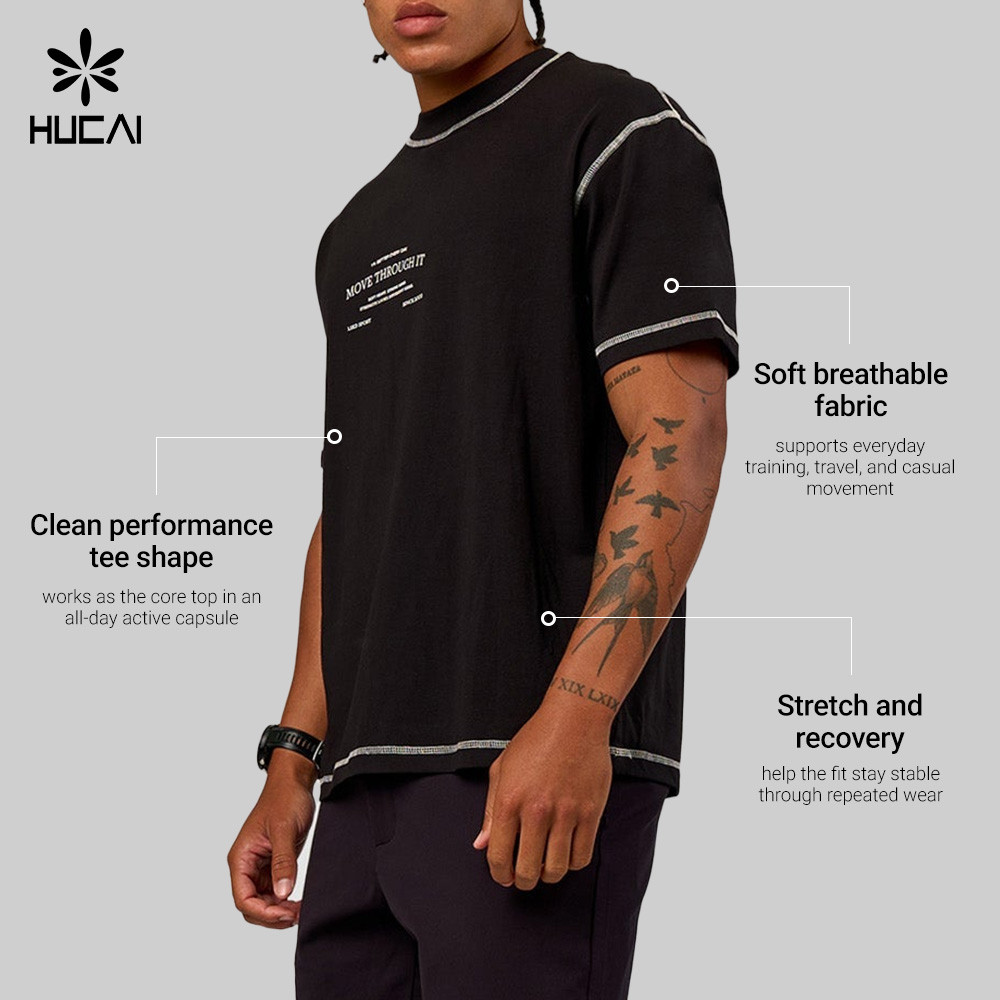
Shrinkage is the most visible form of bulk inconsistency because buyers notice it immediately. A T-shirt that fit correctly in the sample but measures two centimeters shorter in the chest after the first wash creates a returns problem, not a quality control problem.
The root cause is usually one of three things. First, the sample was made from pre-shrunk fabric, but the bulk fabric was not pre-treated to the same standard. Second, the pattern was graded for the sample's post-wash dimensions, but the bulk fabric shrinks differently. Third, the fabric blend changed between sample and bulk—sometimes unintentionally, when the mill substitutes a similar but not identical yarn.
What to Confirm Before Bulk Cutting
- Fabric shrinkage test results (washing and drying cycles) from the actual bulk roll
- Whether the fabric has been pre-shrunk or sanforized, and to what percentage
- Pattern grading tolerance that accounts for maximum expected shrinkage
- Agreement on measurement tolerance after one home laundering cycle
HUCAI activewear reviews shrinkage data at the pre-production stage and compares it against the approved sample's fabric behavior. If the bulk roll shows higher shrinkage than the sample baseline, the pattern is adjusted before cutting to protect the fit.
Color Fastness: What Fades, When, and Why
Color fastness problems in men's gym T-shirts usually appear after the first few washes, not in the warehouse. A deep navy can turn patchy. A heather gray can show lighter streaks at the seams. Black can develop a reddish cast. These issues are expensive because they affect the entire production run, not just a few pieces.
The main causes are incomplete dye fixation, dye type mismatch with the fabric blend, and incorrect dyeing temperature or time. Polyester-cotton blends, for example, require dyeing processes that address both fiber types. If the process is optimized for cotton but the polyester content is significant, the color will not lock into the synthetic fibers properly.
Fastness Tests Brands Should Ask For
- Wash fastness (domestic and commercial washing conditions)
- Rubbing fastness (dry and wet)
- Perspiration fastness (acid and alkaline)
- Light fastness (if the product will be displayed under retail lighting)
At HUCAI activewear, color fastness is checked against the approved lab dip before bulk dyeing begins. If the fabric does not meet the agreed grade for the target market, the batch is re-dyed or the fabric is replaced before cutting.
Dye Lot Control and Shade Continuity
Even when the dye recipe is identical, fabric rolls dyed on different days can vary in shade. This is normal in textile production. What separates a manageable process from a brand-damaging one is whether the manufacturer has a protocol to control it.
Dye lot variation happens because of small differences in water temperature, chemical concentration, machine calibration, and fabric absorption rates. Two rolls dyed from the same color standard can read as slightly different under daylight or retail lighting. When those rolls are cut and sewn into the same style, the difference becomes visible to the end customer.
How Manufacturers Should Manage Dye Lots
- Assign unique dye lot numbers to every bulk batch
- Compare each lot against the approved standard under consistent lighting
- Set acceptable shade tolerance (Delta E) before production begins
- Segregate rolls by dye lot during cutting to prevent shade mixing within one garment
- Provide a shade continuity report across the full order quantity
HUCAI activewear tracks fabric by dye lot from arrival through cutting. If multiple lots are required to fulfill an order, the shade continuity is reviewed before any fabric is released to the cutting floor.
Pre-Bulk Confirmation Checklist
Use this checklist with your manufacturer before authorizing bulk cutting for men's gym T-shirts:
- Fabric report confirmed – Shrinkage, weight, and composition match the approved sample
- Lab dip approved – Color standard signed off under agreed lighting conditions
- Fastness grade agreed – Wash, rubbing, and perspiration grades defined per market requirement
- Dye lot protocol in place – Tolerance, numbering, and segregation method confirmed
- Pre-production sample scheduled – Made from actual bulk fabric, not sample stock
- Measurement tolerance defined – After one home wash cycle, not just off-the-roll
- Quality checkpoints mapped – Inline inspection, final AQL 2.5 review, and pre-shipment check
This level of confirmation may add a few days to the pre-production timeline, but it prevents the much longer delays of remaking or re-dyeing an inconsistent bulk batch.
Manufacturer Insight: Common Failure Patterns
After working with many men's activewear brands, we see the same preventable patterns:
Skipping the pre-production sample from bulk fabric. Brands approve a sample made from sample-yardage, then authorize bulk cutting without seeing how the production fabric behaves. The sample and the bulk are not the same material batch. They can shrink differently, absorb dye differently, and finish differently.
Accepting verbal confirmation instead of test reports. A manufacturer saying "the fabric is pre-shrunk" is not the same as a test report showing 2% shrinkage after three wash cycles. Brands with established quality standards should request documentation.
Not defining shade tolerance numerically. "It looks close" is subjective. Delta E values are objective. Without an agreed tolerance, a manufacturer and a brand can both be acting in good faith and still disagree on whether a dye lot is acceptable.
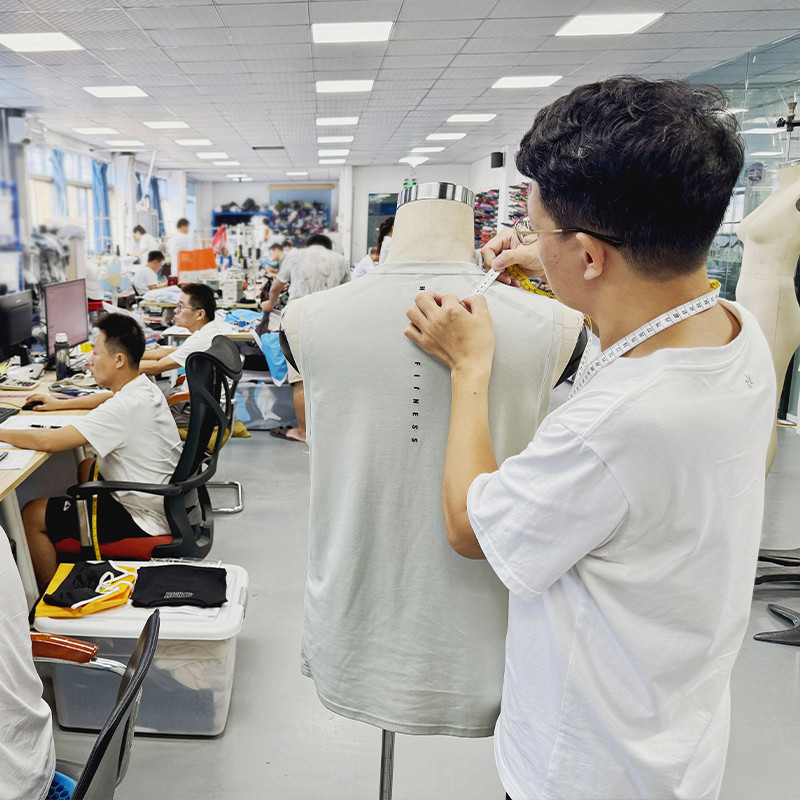
HUCAI activewear uses MES and ERP tracking to connect fabric batch data, dye lot numbers, test reports, and inspection results to each order. This means if a question arises after delivery, the production record is traceable—not assumed.
Related Resources
If you are preparing for bulk production, these guides may help:
Frequently Asked Questions
What is the typical shrinkage rate for men's cotton gym T-shirts?
It depends on the fabric construction, yarn type, and whether the fabric has been pre-shrunk or sanforized. Unpre-treated cotton jersey can shrink 5–8% after the first wash. Pre-shrunk fabric usually stays within 2–3%. The key is to confirm the rate for the specific fabric batch, not rely on general estimates.
How do brands confirm color fastness before bulk production?
Request wash, rubbing, and perspiration fastness test reports for the actual bulk fabric. Review the grade against the requirements of your target market. For many developed markets, wash fastness grade 3–4 and rubbing fastness grade 3+ are expected minimums. Confirm these standards with your manufacturer before dyeing begins.
What causes dye lot variation even when the Pantone code is the same?
Pantone codes are color standards, not dye recipes. Small differences in water chemistry, temperature, dye concentration, and fabric absorption between batches create natural variation. Controlled manufacturers manage this with standardized recipes, batch numbering, and shade tolerance protocols.
Should brands always request a pre-production sample from bulk fabric?
Yes, for established brands with confirmed specs and fit requirements. A pre-production sample made from the actual bulk fabric shows how the material will behave in the final garment. It is the last checkpoint before committing the full fabric quantity to cutting.
Can HUCAI activewear help if we only have an approved sample but no fabric test reports?
Yes. We can arrange fabric testing for the bulk roll against the approved sample baseline. This includes shrinkage, color fastness, and composition verification. The results are shared before pre-production sampling begins.
What should be confirmed before MOQ or quotation discussion for men's gym T-shirts?
Confirm fabric availability, color and size breakdown, logo method, label requirements, and packaging specifications. These factors affect both unit cost and production feasibility. Clearer specs lead to more accurate quotations and fewer surprises in bulk.
How does AQL 2.5 inspection catch bulk consistency issues?
AQL 2.5 sampling inspection checks a representative portion of the finished bulk for visible defects, measurement deviations, and construction issues. It does not guarantee zero defects, but it provides a structured way to decide whether the batch meets the agreed acceptance level before shipment.
Why does the same fabric from the same supplier behave differently between orders?
Yarn lots, knitting machine settings, finishing processes, and dye batches all vary slightly over time. Even reputable mills produce natural variation. The solution is not to find a "perfect" mill but to build a confirmation and tolerance process that catches variation before it reaches the customer.
Final Takeaway
Bulk consistency in men's gym T-shirts is not about finding a flawless fabric. It is about building a confirmation process that catches variation before it becomes a customer problem. Shrinkage, color fastness, and dye lot control are all manageable when they are defined, tested, and tracked at the pre-production stage.
Brands that treat sampling as the finish line often discover problems in the bulk. Brands that treat sampling as one checkpoint in a longer process—one that includes fabric testing, lab dip approval, pre-production verification, and structured inspection—move into bulk with confidence.
HUCAI activewear supports established men's activewear brands with sample-to-bulk coordination, fabric and dye lot tracking, AQL 2.5 quality inspection, and production visibility through MES and ERP systems. If you are preparing for bulk and want to confirm your pre-production checklist, contact our team to review your specs before cutting begins.