What Affects Men's Hoodie Development: Hood Structure, Kangaroo Pocket and Drawcord Details
- Share
- Issue Time
- Aug 27,2026
Summary
A B2B development guide for growing men's activewear brands planning hoodie production. Covers hood structure, kangaroo pocket construction, drawcord and eyelet quality, cuff/hem rib behavior, fabric weight decisions, and layering fit considerations.
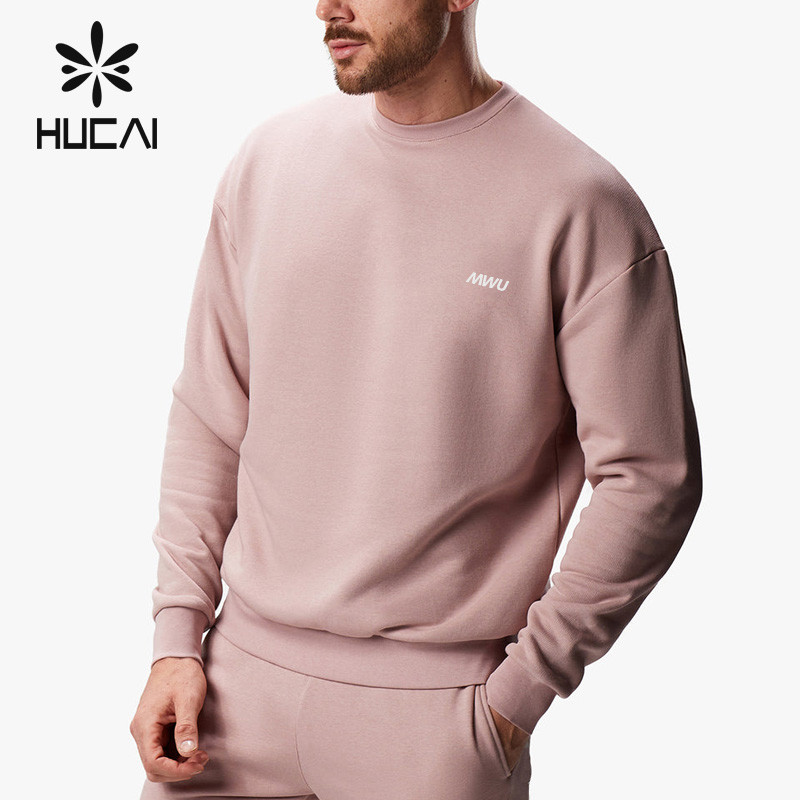
When growing men's activewear brands move from T-shirts and shorts into midlayers and outerwear, hoodies often become the first serious construction challenge. Hood structure, pocket placement, drawcord routing, and cuff finishing all affect how the garment performs in the gym, on the street, and through repeat washes. For brands working with a men's activewear manufacturer, understanding these details before sampling saves revision rounds and protects fit consistency from sample to bulk.
HUCAI activewear supports OEM and ODM hoodie development with pattern adjustments, fabric family coordination, and construction detailing that aligns hoodies with the rest of a brand's collection. This guide breaks down what affects men's hoodie development so brands can make clearer decisions before production.
Quick Answer
Men's hoodie development is shaped by four core areas: hood structure and opening shape, kangaroo pocket construction and reinforcement, drawcord channel and eyelet quality, and cuff/hem rib behavior. Each area affects fit, durability, and how the hoodie layers over other pieces. Brands should confirm these details with their manufacturer during sample development to avoid bulk surprises.
Table of Contents
Who This Article Is For
This guide is written for growing men's gym wear brands, private label buyers, and product development teams planning hoodies as part of a fall/winter or gym-to-street capsule. It is especially useful if you are moving beyond basic tees and shorts and need to understand how hoodies differ in construction complexity.
What You Will Gain
- Clear guidance on hood shape, depth, and opening decisions
- Understanding of pocket reinforcement and placement logic
- Drawcord quality checkpoints that affect user experience
- Cuff and hem behavior across different fabric weights
- A practical framework for discussing hoodie specs with your manufacturer
Hood Structure and Opening Shape
The hood is the most visible feature of a men's performance hoodie, and its shape determines both aesthetics and function. Hood depth, face opening width, and whether the hood is lined or unlined all change how the garment sits on the body.
A deeper hood works better for outdoor training and layering over caps, while a shallower hood suits gym-to-street styling where bulk needs to stay minimal. The face opening should be wide enough to allow movement without exposing too much of the neck when down.
At HUCAI activewear, pattern makers review hood shape against the intended fit family before cutting samples. A slim-fit hoodie with an oversized hood creates visual imbalance, while a boxy hoodie with a tight hood limits layering. Confirming hood-to-body proportion early prevents fit revisions later.
Kangaroo Pocket Construction
The kangaroo pocket is standard on most men's training hoodies, but its construction varies significantly. Pocket depth, opening width, and whether the pocket is self-fabric or rib-trimmed all affect usability and durability.
Reinforcement at the pocket corners is critical. Stress from hand entry and items like phones or keys can tear un-reinforced seams over time. Bar-tacking or reinforced stitching at the upper corners extends garment life without adding visible bulk.
Pocket placement also matters. Too high and the pocket rides into the chest; too low and it distorts the hemline. Brands should confirm pocket position relative to the bottom hem and side seams during pattern review.
Drawcord Channels and Eyelets
Drawcords add adjustability to the hood, but the channel construction and eyelet quality often get overlooked. A poorly finished channel can twist, bunch, or fray after washing. Eyelets that are too small create friction and make cord adjustment difficult.
Brands should specify cord diameter, channel width, and eyelet inner diameter as a matched system. Metal eyelets offer durability but add weight; reinforced stitched eyelets keep the garment lighter and work well for performance-focused hoodies.
Cord tips should be secured with metal or dipped plastic aglets that do not detach during wear or washing. HUCAI activewear checks drawcord assembly during pre-production review to confirm channel alignment and eyelet security before bulk cutting.
Cuff and Hem Rib Behavior
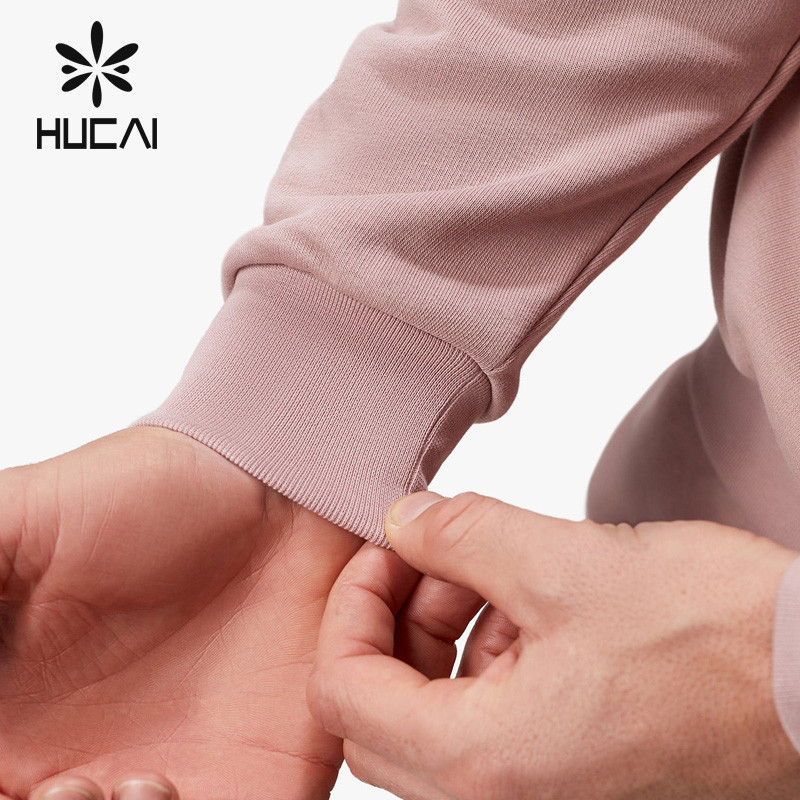
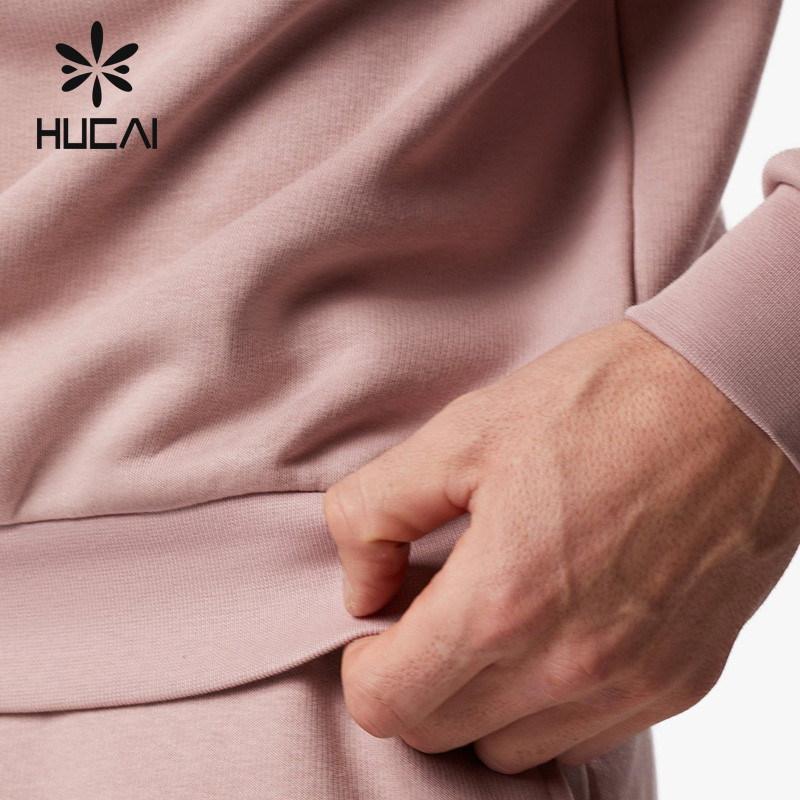
Cuff and hem ribbing control silhouette and help the hoodie retain shape through repeated wear. Rib content, gauge, and stretch recovery all affect how the sleeve and body opening perform over time.
Cotton-dominant ribs feel softer but may lose recovery faster than blends with synthetic content. Rib width relative to the sleeve or body panel also matters: a wide rib on a slim sleeve creates a gathered effect, while a narrow rib on a boxy body looks undersized.
Brands planning a consistent fit family should specify rib behavior across all pieces in the collection. A tracksuit hoodie and pant should use the same rib specification so the set looks coordinated rather than mismatched.
Fabric Weight and Fit Impact
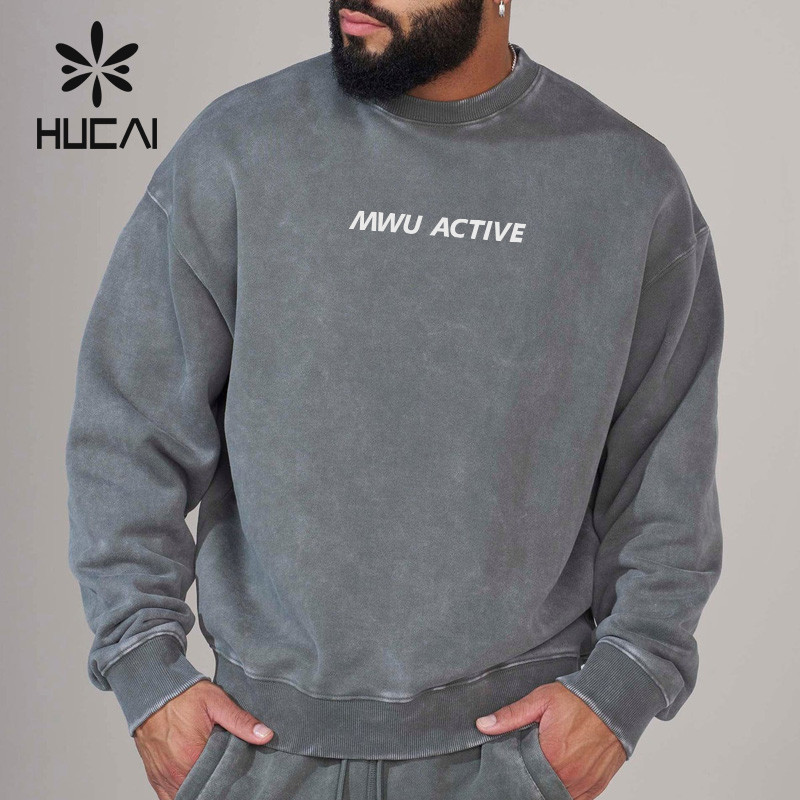
Hoodie fabric weight typically ranges from 250 GSM for lightweight training layers to 400+ GSM for heavy fleece. The chosen weight affects drape, warmth, and how the hoodie layers over tees or under jackets.
Lighter French terry works for warm-weather gyms and indoor training. Mid-weight fleece suits year-round gym-to-street use. Heavy fleece is better for outdoor sessions and cold-climate markets.
Fabric weight also changes how construction details behave. A heavy fleece hood holds structure better but creates more bulk at the neckline. Light terry drapes more easily but may need lining or interlining to give the hood shape. Sample testing across weights helps brands find the right balance for their target market.
Layering Fit and Size Grading
Most men's hoodies are designed to layer over a T-shirt or tank. This means the body and sleeve need enough ease to avoid restriction without looking oversized when worn alone. Grading between sizes should maintain this balance.
Shoulder seam placement, armhole depth, and sleeve length all shift slightly when the hoodie is intended for layering. Brands targeting bodybuilding or oversized markets may want extra room, while slim-fit gym-to-street hoodies stay closer to the body.
HUCAI activewear helps brands define fit family rules during sample development so that hoodies, joggers, and tees in the same collection share consistent proportions and grading logic.
Decision Check
Before moving your men's hoodie into sampling, confirm the following:
- Hood depth and opening width match the intended fit and layering use
- Pocket position, depth, and corner reinforcement are specified
- Drawcord diameter, channel width, and eyelet type are matched
- Cuff and hem rib specification is consistent with the fit family
- Fabric weight supports the target climate and product role
- Size grading maintains layering ease across all sizes
Related reading: men's activewear development guides and hoodie product pages for additional construction references.
Manufacturer Insight
A common early-stage issue we see in men's hoodie development is brands requesting a heavy fleece fabric but expecting a slim, lightweight silhouette. Fabric weight and fit intent must align from the first sample.
Another frequent revision point is pocket placement. Reference images often show pockets at different heights depending on the model's proportions. Specifying pocket position from the bottom hem rather than eyeballing from photos reduces back-and-forth.
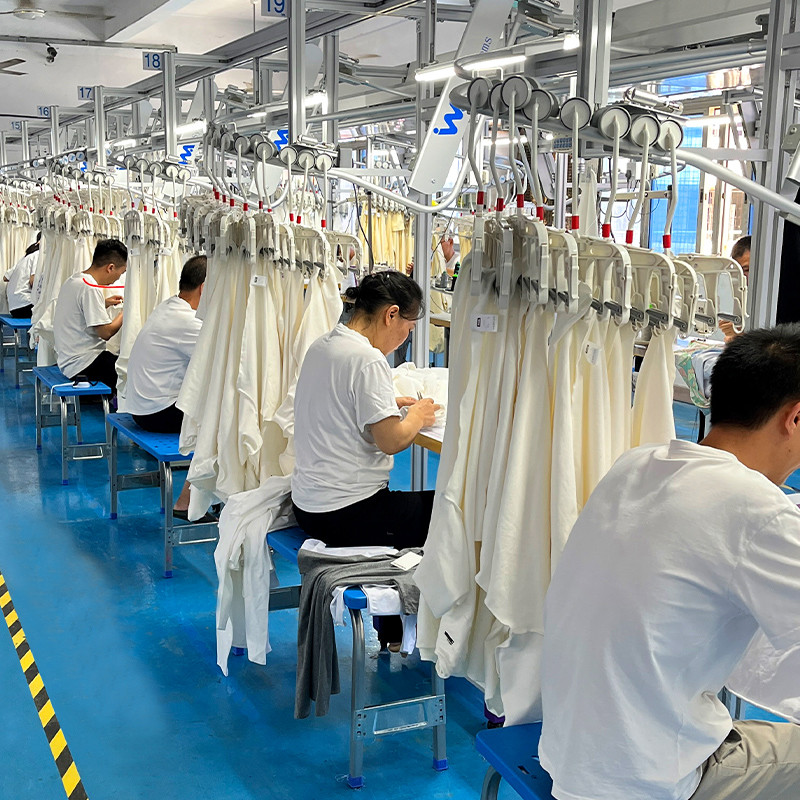
HUCAI activewear handles hoodie development through pattern review, fabric behavior testing, and sample-to-bulk coordination. MES and ERP tracking keep construction details consistent across size sets and production batches.
Frequently Asked Questions
What is the MOQ for custom men's hoodies?
MOQ depends on fabric, color, size range, and customization level. For many private label projects, MOQ starts from 100 pieces per style. Exact numbers are confirmed after reviewing specs and construction details.
Can you develop hoodies if we only have reference images?
Yes. HUCAI activewear supports ODM development from reference images, target market direction, and fit preferences. Our sample team translates references into patterns, fabric recommendations, and construction specs for approval.
Do we need a tech pack before starting hoodie development?
A full tech pack helps but is not required for ODM projects. For OEM projects with confirmed designs, a tech pack speeds up sampling. We can also guide you on what measurements and construction notes to include.
How should brands choose between lined and unlined hoods?
Lined hoods add structure and comfort for heavier fleece but increase cost and bulk. Unlined hoods work for lightweight and mid-weight fabrics where drape and minimal bulk are priorities. The choice should match fabric weight and target use.
What affects drawcord durability in men's hoodies?
Cord material, channel width relative to cord diameter, eyelet edge finish, and aglet attachment all affect durability. Metal eyelets with smooth inner edges and properly crimped aglets last longer than basic plastic alternatives.
Why do hoodie cuffs lose shape over time?
Rib recovery depends on fiber content, knitting gauge, and washing conditions. Cotton-dominant ribs soften with wear. Adding synthetic content improves recovery. Specifying rib composition during development prevents post-launch complaints.
How do brands keep hoodie sets consistent with joggers?
Use the same fabric family, rib specification, and color dye lot for both pieces. Confirm fit proportions so the hoodie body length and jogger rise work visually together. Sample both pieces simultaneously rather than separately.
What should be confirmed before bulk production?
Approved sample, fabric and trim readiness, construction details, measurements, grading, logo placement, and quality checkpoints. Pre-production review at HUCAI activewear verifies these items before cutting bulk.
Final Takeaway
Men's hoodie development involves more construction decisions than most brands expect at first. Hood shape, pocket reinforcement, drawcord quality, and rib behavior all affect how the product performs and how customers perceive quality.
Brands that define these details early in sample development avoid costly revisions and create hoodies that fit consistently within their collection. Working with a manufacturer that understands pattern, fabric, and construction coordination makes the process smoother from first sample to bulk delivery.