What Affects Men's Training Shorts Development: Inseam, Liner, Pocket, Fabric, and Anti-Chafe Detail
- Share
- publisher
- HUCAI Activewear
- Issue Time
- May 14,2026
Summary
A B2B guide for private label activewear brands developing men's training shorts. Learn how inseam, liner, pocket structure, waistband, fabric recovery, and anti-chafe seams affect sampling, MOQ planning, and bulk consistency.
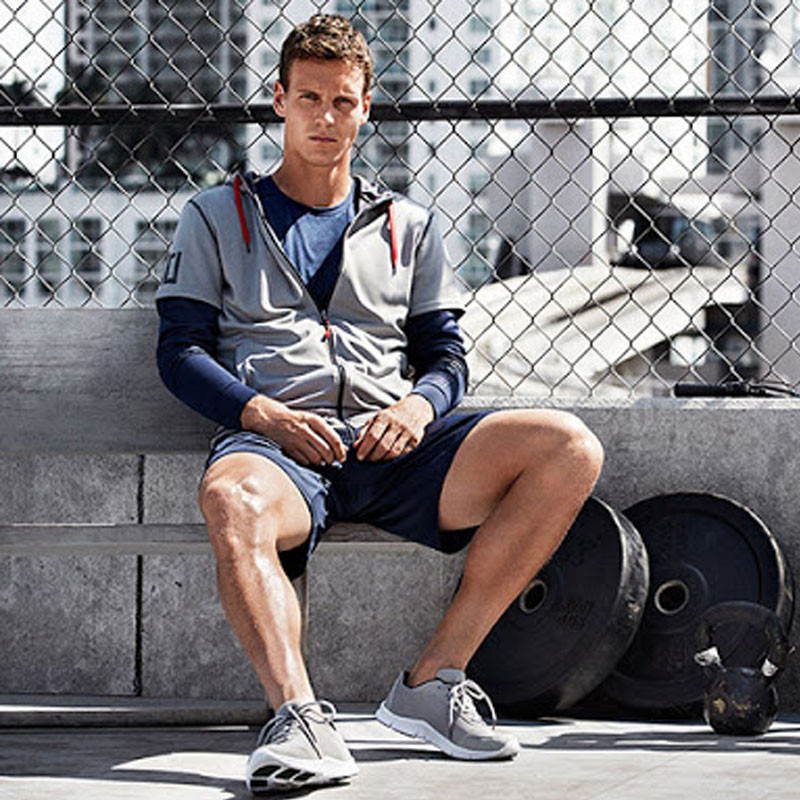
For private label activewear brands, custom men's training shorts are often one of the first bottoms categories to develop. But for a men's gym wear manufacturer, shorts are not defined by length alone. Inseam, liner pressure, waistband stability, pocket placement, fabric recovery, and anti-chafe seam construction all affect whether a sample can move smoothly into bulk planning.
At HCActivewear, training shorts development is treated as a product-role decision first, then a fabric, fit, and construction decision. A good sample should not only look right on a model. It should support the movement scenario your brand is targeting, whether that is strength training, functional fitness, running, hybrid training, or gym-to-street activewear.
Quick Answer
Men's training shorts development should begin with the intended use case. Before discussing MOQ, quotation, or bulk production, brands should confirm the shorts type, inseam, liner or no-liner construction, waistband style, pocket system, fabric stretch, seam placement, and branding details.
If these details are unclear before sampling, the most common problems are repeated fit revisions, uncomfortable liner pressure, unstable pockets, waistband rolling, fabric that feels wrong for the activity, or approved samples that are difficult to repeat in bulk production.
Table of Contents
Who This Article Is For
This guide is written for growing men's gym wear brands, private label activewear buyers, and startup activewear brands preparing to develop training shorts, gym shorts, running shorts, or 2-in-1 shorts.
It is especially useful if your brand has reference images or a target product direction but has not fully confirmed the tech pack, fabric, liner, pocket, or fit details. Established brands with ready specs can also use this as a sample review checklist before moving into OEM sample-to-bulk production.
Trust Strip: What Buyers Should Get From This Guide
- A clearer way to decide whether your shorts should be built for gym training, running, hybrid workouts, or all-day activewear.
- A practical checklist for inseam, liner, waistband, pocket, fabric, and seam decisions before sampling.
- A better understanding of why small construction details can affect comfort, sample approval, and bulk consistency.
- A more structured path for discussing your project with a custom gym wear manufacturer or OEM activewear manufacturer.
1. Start With Product Role, Not Just Style
Many brands begin shorts development by saying, "We want a style like this." That can work as a reference, but it is not enough for production. A manufacturer needs to know what the shorts are supposed to do.
A pair of gym training shorts, running shorts, and lifestyle active shorts may look similar in a product photo, but their construction priorities are different. Gym training shorts often need stronger stretch, waistband security, and enough coverage for squats, machines, and functional movement. Running shorts usually need lighter shell fabric, lower bounce, better ventilation, and quick drying. Hybrid training shorts need to balance both sides.
Before choosing details, define the main product role:
- Strength training: Prioritize stretch, durability, squat comfort, and secure waistband structure.
- Functional fitness: Prioritize freedom of movement, anti-chafe seams, lightweight feel, and pocket stability.
- Running: Prioritize breathability, low weight, fast drying, and reduced pocket bounce.
- Gym-to-street: Prioritize clean appearance, comfortable fabric handfeel, and practical everyday storage.
- Hybrid training: Balance movement, support, ventilation, and styling across multiple activities.
If your brand is still comparing product directions, review the current men's shorts category to see how different custom shorts can be positioned for running, training, gym wear, and active lifestyle use.
2. Inseam and Silhouette Decisions
Inseam is one of the first details buyers notice, but it should not be selected only by trend. The right inseam depends on body coverage, movement range, target market, and how the shorts will be styled with tops, tanks, compression layers, or outerwear.
A shorter inseam often works better for running, warm-weather training, and high-mobility workouts. A mid-length inseam is often easier for mainstream gym wear and hybrid training. A longer inseam may work for lifestyle, basketball-inspired training, or brands that prefer more coverage.
Silhouette is equally important. A loose leg opening may look relaxed but can feel unstable during running or explosive training. A narrow leg opening may look cleaner but can restrict movement if the fabric does not have enough stretch. For private label activewear brands, inseam and silhouette should be reviewed together in the sample fitting stage.
Decision Check: Which Inseam Direction Fits Your Brand?
| Shorts Direction | Best For | Main Development Risk |
|---|---|---|
| Short inseam | Running, warm-weather training, high-mobility workouts | Too much exposure or unstable pocket placement |
| Mid inseam | Gym training, functional fitness, hybrid activewear | Generic fit if silhouette and fabric are not refined |
| Longer inseam | Lifestyle activewear, casual training, coverage-focused brands | Restricted movement or heavy visual proportion |
| 2-in-1 shorts | Training, running, coverage, anti-chafe support | Liner pressure, inner length, and seam comfort |
3. Liner, Compression Feel, and Coverage
A liner can make men's training shorts feel more supportive, but it also adds complexity. The liner fabric, compression level, rise, gusset, inner inseam, leg opening, and seam placement all affect comfort.
For gym wear brands, a liner can help with coverage during squats, lunges, and floor work. For running-focused brands, it can reduce chafing and improve support. For lifestyle activewear, a liner may not be necessary if the product is designed more for all-day comfort than high-intensity performance.
The mistake is assuming that tighter always means better. If the liner has poor recovery, too much pressure, or rough seam placement, the wearer may feel restricted. If the liner is too loose, it may ride up or fail to provide support.
When developing 2-in-1 shorts, brands should confirm:
- Inner liner length compared with outer shell length
- Compression feel: light support, medium support, or firmer hold
- Gusset shape and crotch comfort
- Inner thigh seam placement
- Phone pocket or hidden pocket position on the liner
- How the liner behaves after movement and washing
If your team has reference images but no complete tech pack, ODM development support can help translate the visual direction into sample-ready details such as fabric selection, liner structure, pattern adjustment, and trims.
4. Waistband, Drawcord, and Pocket System
The waistband is one of the most important comfort points in men's training shorts. A waistband that rolls, twists, digs in, or loses elasticity can make an otherwise strong design feel unstable.
For training shorts, the waistband should balance hold and comfort. A wide elastic waistband can provide a stable fit, but it must match the fabric weight and garment function. An internal drawcord can keep the front cleaner, while an external drawcord may give a stronger gymwear look. The final choice depends on brand style and target user.
Pockets also need to match product role. A deep side pocket may work for gym-to-street use but may bounce during running. A zipper pocket improves security but adds cost, weight, and construction complexity. A liner phone pocket can work well for 2-in-1 shorts, but placement must avoid thigh discomfort.
Product Development Notes
- Side pockets: Better for lifestyle and gym-to-street use, but pocket depth and opening angle must be tested.
- Zipper pockets: Useful for secure storage, but the zipper position should not interfere with movement.
- Back pocket: Can support running or travel use, but bulk and bounce need review.
- Liner pocket: Often useful for phone storage in 2-in-1 shorts, but seam pressure should be checked carefully.
- Drawcord: Helps fit adjustment, but length, tip, placement, and branding should be confirmed before bulk.
For gym-focused bottoms, connect these details with your larger product line. If your brand plans to develop training shorts together with T-shirts, tanks, compression wear, or joggers, the custom fitness clothing manufacturer page is a useful path for understanding broader gym wear customization support.
5. Fabric Recovery, Quick-Dry Performance, and Anti-Chafe Seams
Fabric affects how training shorts move, recover, dry, and hold shape. A lightweight woven shell may feel fast and breathable, but it needs enough durability for gym training. A stretch fabric may support movement, but poor recovery can lead to bagging at the seat, thigh, or waistband.
For many men's gym shorts, brands usually compare nylon-spandex, polyester-spandex, mesh, or blended performance fabrics. The right choice depends on handfeel, stretch direction, opacity, abrasion needs, drying speed, color behavior, and expected retail positioning.
Anti-chafe construction is another key point. Flatlock seams, smoother seam placement, gusset structure, and clean inner finishing can all affect comfort during repeated movement. A seam that looks fine on a flat sample may feel different during squats, running, rowing, or high-repetition training.
At HCActivewear, fabric and construction discussions are usually connected to product role. For example, a running-oriented short may need lighter shell fabric and better ventilation, while a gym training short may need stronger stretch recovery and more stable waistband construction. This is why fabric should not be selected only by appearance or price.
If the shorts are part of a running or hybrid training direction, you can also review custom running apparel development to compare how running products require different fabric, pocket, and ventilation priorities.
Mid-Article CTA: Have Specs or Only Reference Images?
If your brand already has a tech pack, confirmed measurements, fabric direction, logo artwork, and trim details, the project may be ready for OEM sample-to-bulk support.
If you only have reference images, competitor examples, market direction, or a rough product idea, ODM support may be more suitable. The first step is to turn your idea into a clearer product structure before sampling.
6. Sample Review and Bulk Consistency
Training shorts are often approved or rejected in sample review because of small details. The fabric may feel right but the waistband may roll. The inseam may look right but the pocket may bounce. The liner may support movement but create pressure at the inner thigh. These are common early-stage issues in private label gym wear development.
A useful sample review should check both appearance and movement. Brands should test sitting, squatting, lunging, running, stretching, and phone pocket use if storage is part of the design. Fit comments should be recorded clearly so the next sample round can be revised with less confusion.
For bulk consistency, the approved sample should be treated as the standard reference. Fabric, trims, measurements, logo placement, seam construction, waistband tension, and packaging requirements should be aligned before production planning. This is where quality checkpoints and production coordination matter.
Manufacturer Insight
HCActivewear supports men's activewear projects through OEM/ODM development, sample adjustment, fabric and trim confirmation, and quality follow-up. For training shorts, the goal is not only to make one good sample, but to make the approved construction repeatable in bulk production.
When a project moves from sample to bulk, AQL 2.5 inspection logic and MES / ERP production tracking can help the team follow key stages more clearly. These tools do not replace good product decisions, but they support better coordination after fabric, fit, trims, measurements, and branding details are confirmed.
Market Notes: How Different Markets May Read Training Shorts
Training shorts are not interpreted the same way in every market. A U.S. gym wear brand may focus on bodybuilding, pump cover styling, 2-in-1 shorts, and high-intensity training. A U.K. brand may prefer clean training shorts that work with T-shirts, tracksuits, and everyday gym wear. Nordic and Western European brands may value functional fabrics, durability, muted colors, and running or outdoor crossover. Australian brands may place more emphasis on lightweight, breathable, warm-weather training and gym-to-street use.
These market differences do not mean every brand needs a different factory process. They mean the development brief should be specific. The clearer your product role, target user, and market direction are, the easier it is for a manufacturer to recommend the right fabric, fit, and construction route.
Common Development Failures in Men Training Shorts
| Development Failure | Root Cause | Manufacturing Solution |
|---|---|---|
| Liner ride-up during movement | Shell and liner have different stretch and recovery rates. Liner cannot keep up with shell movement. | Pair shell and liner with compatible stretch percentages. Test during squat and lunge in sample stage. |
| Phone pocket bounce during running | Pocket depth too shallow or fabric too loose to secure the device against the body. | Review pocket depth and angle with actual device. Use tighter fabric or compression pocket for running shorts. |
| Waistband roll or twist | Elastic recovery not aligned with shell fabric stretch. Waistband twists during movement. | Match elastic width and tension to fabric GSM. Test during squat and bend before bulk approval. |
| Side split gap too wide | Side split hem opening angle too large, causing excessive leg exposure during movement. | Reduce split opening angle. Test during squat and lunge. Adjust hem construction if needed. |
| Shrinkage changing inseam length | Fabric shrinks after first wash, changing the inseam and hem position. | Pre-shrink fabric before cutting. Include shrinkage allowance in pattern. Test wash during sample stage. |
OEM vs ODM Development Approach for Training Shorts
| Customer Situation | Recommended Path | Manufacturer Support |
|---|---|---|
| Established Brands Complete tech packs with confirmed measurements | OEM Manufacturing | Produce to existing specs, support sample-to-bulk quality checkpoints |
| Growing Brands Reference images, no tech pack | ODM Development | Recommend inseam, liner, fabric; develop pattern; coordinate sample |
| Startup Brands Need product validation | ODM + Sample Dev | Discuss use case; suggest direction; validate with one sample first |
| Expanding Brands Adding shorts to existing line | OEM/Collection Dev | Adapt existing brand fit; coordinate within production framework |
FAQ: Men's Training Shorts Development
1. What should brands confirm before sampling custom men's training shorts?
Brands should confirm the main use case, inseam, liner or no-liner construction, waistband style, drawcord, pocket system, fabric direction, stretch level, seam placement, logo method, color direction, and size range. If these details are unclear, the sample round may become a guessing process instead of a structured development step.
2. Do men's training shorts need a liner?
Not always. A liner is useful when the brand wants more support, coverage, or anti-chafe performance, especially for running, functional fitness, and 2-in-1 shorts. For lifestyle or casual gym shorts, an unlined design may feel lighter and easier to wear. The decision should match the product role rather than follow trend alone.
3. What is the difference between training shorts and running shorts?
Training shorts usually prioritize stretch, durability, coverage, waistband stability, and multi-directional movement. Running shorts usually prioritize low weight, ventilation, quick drying, reduced bounce, and smoother inner construction. Hybrid shorts sit between both categories and need a balanced structure.
4. Are 2-in-1 shorts good for gym training?
2-in-1 shorts can work well for gym training if the liner has the right compression feel, recovery, gusset shape, and seam placement. The liner should support movement without creating pressure or ride-up. Brands should test squats, lunges, sitting, and running movements during sample review.
5. What affects MOQ and quotation for custom men's gym shorts?
MOQ and quotation can be affected by fabric availability, color customization, liner construction, pocket complexity, zipper or trim choice, logo method, packaging requirements, size range, and order quantity. A simple unlined short is usually easier to price than a 2-in-1 short with custom trims, zipper pockets, and multiple branding techniques.
6. Can we develop men's training shorts without a complete tech pack?
Yes, but the process should begin with reference images, target market, desired fit, product role, fabric preferences, branding direction, and any must-have details. An ODM development path can help turn those references into a more structured sample brief before production planning.
7. How can brands reduce sample revisions for men's shorts?
Brands can reduce revisions by confirming product role first, then aligning inseam, liner, waistband, pocket, fabric, seam, and branding details before sampling. Clear feedback after the first sample is also important. Fit comments should be specific, measurable, and connected to movement rather than only visual preference.
8. What should be checked before bulk production?
Before bulk production, brands should confirm the approved sample, fabric quality, color, trims, measurements, logo placement, seam construction, waistband tension, pocket position, packaging requirements, and QC expectations. This helps reduce avoidable misunderstandings between sample approval and bulk execution.
Final Takeaway
Men's training shorts are a high-value category for private label activewear brands, but they require more than choosing a fabric and inseam. The strongest projects define the product role first, then confirm liner, waistband, pocket system, fabric recovery, seam comfort, and sample-to-bulk standards.
For brands building a men's gym wear or training wear line, the goal is not only to make a good-looking sample. The goal is to develop a product that feels right in movement, fits your market direction, and can be repeated with stable production follow-up.
Ready to Develop Custom Men's Training Shorts?
If you already have confirmed specs, tech packs, measurements, and artwork, share your project details for OEM sample-to-bulk support.
If you are still developing the product direction, send your reference images, target market, desired shorts type, fabric preference, liner requirements, pocket needs, and branding direction. HCActivewear can help organize those details into a clearer development path before sampling.
Contact HCActivewear to start your men's training shorts project.
Related Paths
Footer Trust Notes
HCActivewear supports private label men's activewear projects with OEM/ODM development, fabric and trim customization, sample review, quality checkpoints, and production follow-up. For training shorts, this means helping buyers connect product role, fabric behavior, fit details, and bulk planning before moving too quickly into production.