What Nordic Brands Look for in Men's Minimal Activewear: Clean Construction and Muted Color Planning
- Share
- Issue Time
- Aug 19,2026
Summary
Discover what Nordic brands expect from minimal men's activewear: clean construction, muted color palettes, consistent fabric handfeel, and precise fit. Learn how manufacturers support growing brands entering Northern European markets through disciplined development and quality control.
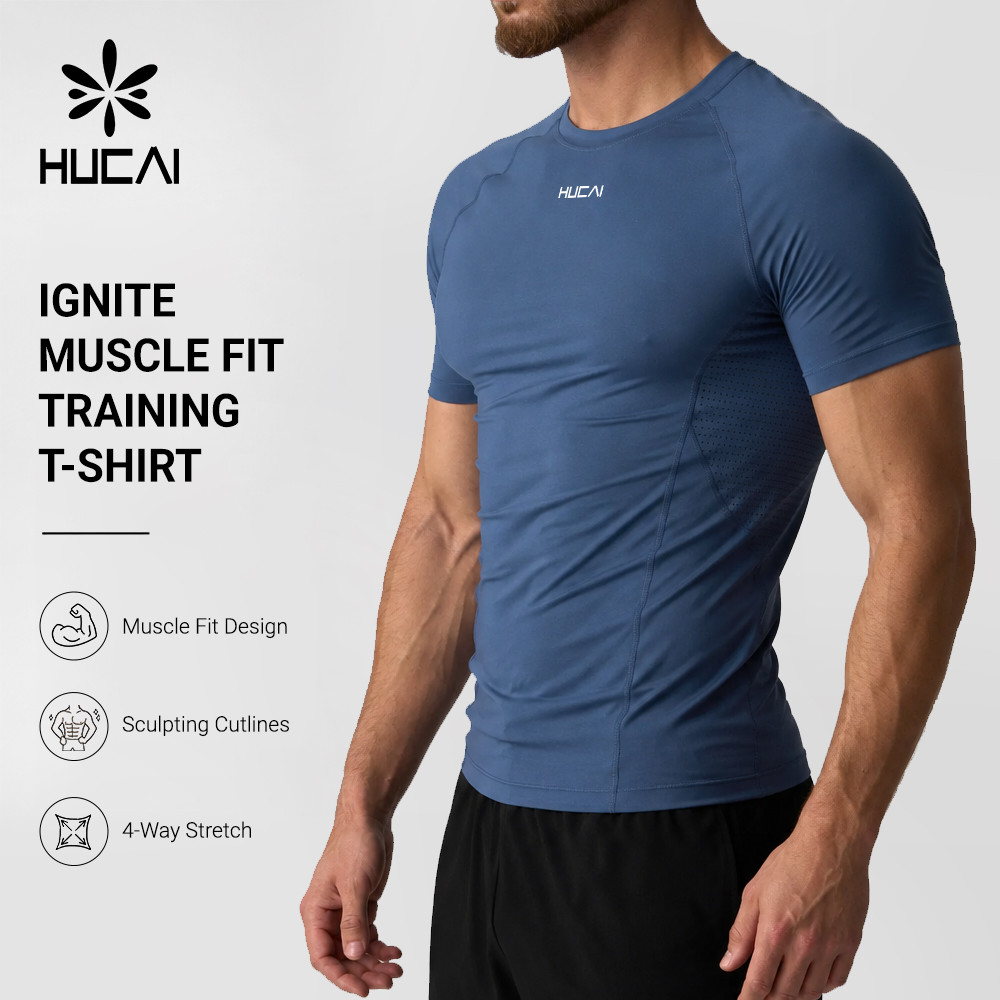
Nordic brands approach men's activewear with a different set of priorities than many other markets. For growing labels targeting Denmark, Sweden, Norway, and Finland, the expectation is not louder graphics or seasonal hype. It is restraint, precision, and construction that speaks quietly but holds up over time. As a men's activewear manufacturer working with labels across Northern Europe, HUCAI activewear sees this preference show up in fabric selection, seam finishing, color planning, and overall garment architecture. This article explains what Nordic buyers actually look for in minimal men's gym wear, and how brands can align their collections with those expectations during development.
Quick Answer
Nordic brands prioritize clean construction, muted and earth-tone color palettes, consistent fabric handfeel, and precise fit that avoids extremes. They value hidden seam details, reduced stitch lines, and packaging that matches the understated visual identity. For manufacturers, this means stronger pattern discipline, tighter color-matching protocols, and a development process that treats restraint as a design feature rather than an absence of one.
Table of Contents
- Who This Article Is For
- Why This Matters for Your Collection
- 1. What "Minimal" Actually Means in Men's Activewear Construction
- 2. Clean Seams, Reduced Stitch Lines and Hidden Construction Details
- 3. Muted Color Planning: Neutrals, Earth Tones and Restrained Palettes
- 4. Fabric Weight and Handfeel Consistency for Nordic Preferences
- 5. Fit Precision: Not Oversized, Not Tight, Just Clean
- 6. Packaging, Labeling and Brand Presentation That Matches the Aesthetic
- Decision Check: Is Your Collection Ready for the Nordic Market?
- Manufacturer Insight: What Often Gets Overlooked
- FAQ
- Final Takeaway
- Related Paths
Who This Article Is For
- Growing brands planning to enter or expand in Nordic markets
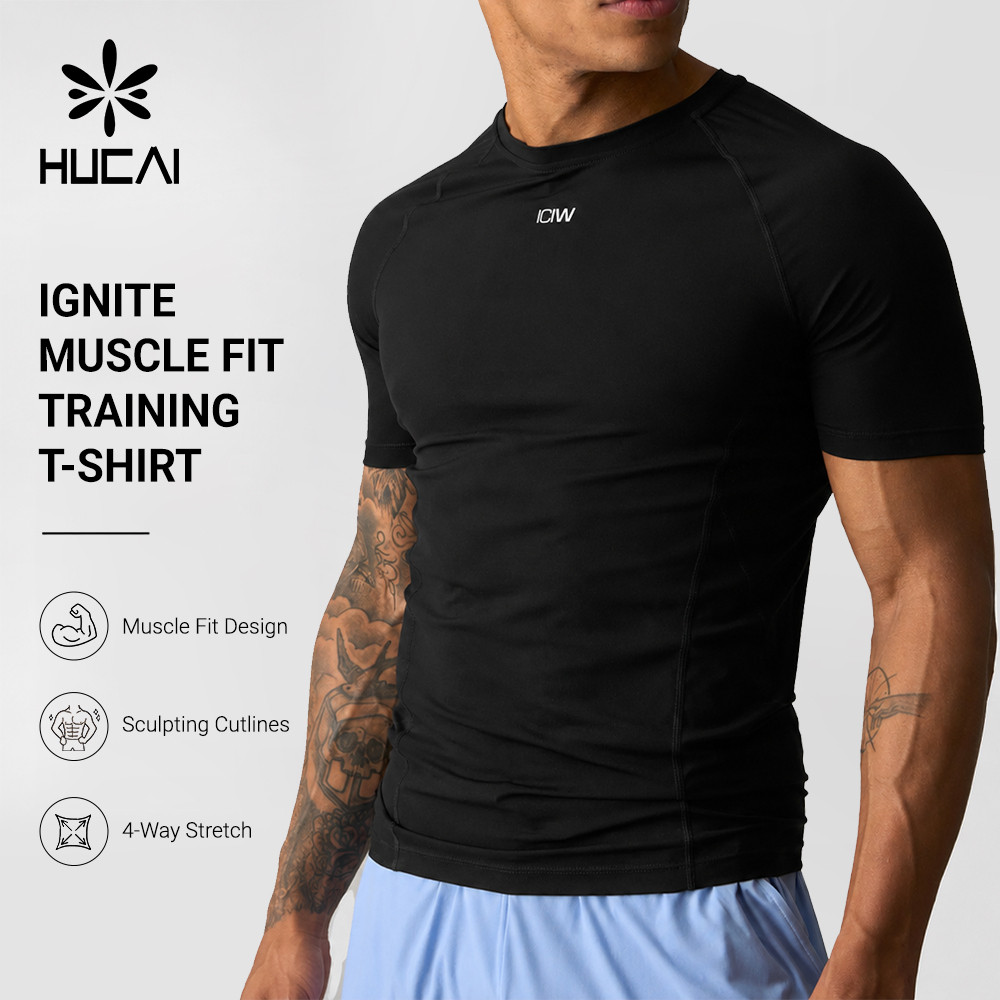
- Private label buyers who want a minimal, clean men's activewear collection
- Design teams evaluating whether their current product direction matches Northern European expectations
- Product developers comparing manufacturer capabilities for clean-construction projects
Why This Matters for Your Collection
The Nordic men's activewear market rewards consistency over novelty. A brand that delivers the same fabric handfeel from sample to bulk, the same muted tones across a six-piece drop, and the same clean construction detail in every garment earns trust faster than one that chases seasonal trends. HUCAI activewear supports this approach through fabric library curation, trim consistency, sample-to-bulk tracking, and quality checkpoints that protect the restraint these markets expect.
1. What "Minimal" Actually Means in Men's Activewear Construction
Minimal does not mean plain. In Nordic brand development, minimal means every construction choice has a reason, and nothing decorative survives without purpose.
This shows up in three areas:
- Surface clarity: The exterior of the garment reads as one continuous surface. Panels meet cleanly. Transitions between body and sleeve, or waistband and leg, are handled with pattern precision rather than cover stitching or topstitching that draws attention.
- Reduced hardware: Drawcord exits are hidden or integrated. Zippers, when present, are tonal and low-profile. Logo applications tend toward woven labels, tonal embroidery, or heat transfers that sit flush with the fabric rather than standing proud.
- Intentional restraint: A minimal collection may still include five colorways. But each one is chosen to work across the full range of tops and bottoms. The restraint is in the system, not in scarcity.
For brands working with a men's activewear manufacturer, this means the tech pack needs to specify not just measurements, but also what should be absent from the garment. We review these restraint specifications during pre-production to confirm that sample construction matches the intended visual quietness.
2. Clean Seams, Reduced Stitch Lines and Hidden Construction Details
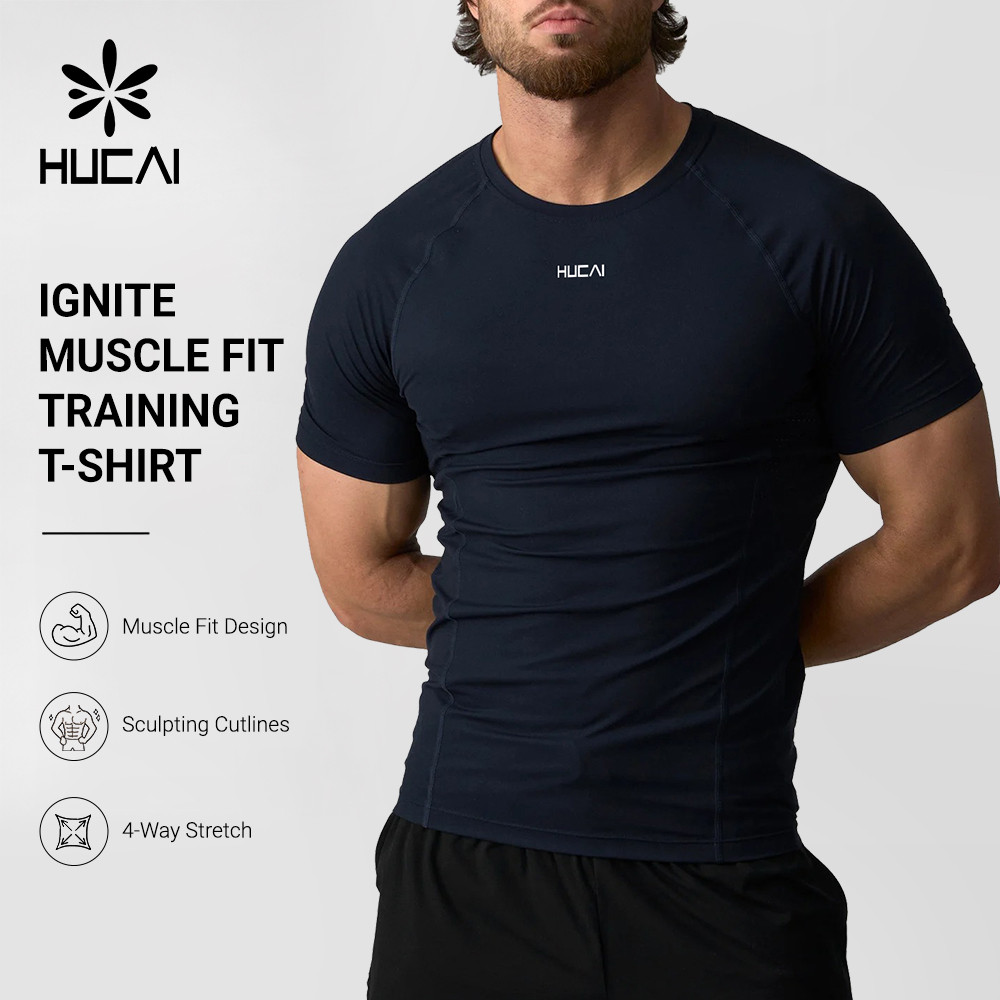
Nordic brands notice seams. Not because they want decorative stitching, but because they want the absence of visual clutter.
Common construction preferences include:
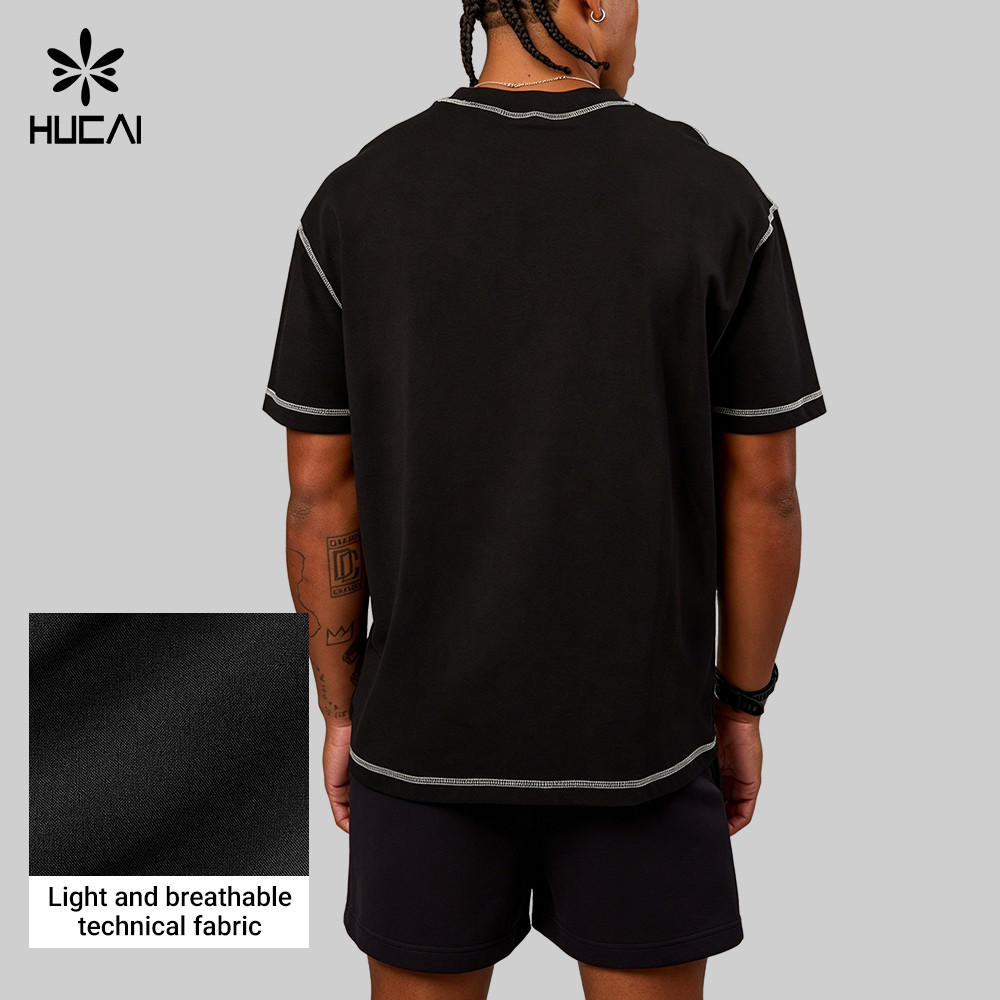
- Flatlock or coverstitch minimized to essential seams only: Decorative flatlocking on the outside of a garment is usually removed. Seams that remain are functional and placed where they do not break the visual surface.
- Hidden waistband construction: Elastic is often fully enclosed. Drawcords exit through internal channels rather than metal eyelets.
- Clean hem finishing: Hems are often twin-needle or bonded rather than turned and topstitched, especially on lightweight training tops and shorts.
These details affect pattern making and sewing sequences. A manufacturer accustomed to standard gym wear construction may need to adjust workflow to achieve the same durability with fewer visible stitches. Sample development for Nordic-bound collections often includes a specific seam-review round where construction visibility is checked against the brand's restraint brief.
3. Muted Color Planning: Neutrals, Earth Tones and Restrained Palettes
Color is where Nordic minimal identity is most visible. The palette is not an afterthought. It is a core part of the product strategy.
Typical directions include:
- Core neutrals: Charcoal, warm gray, off-white, deep navy, and black form the base. These are not default choices. They are selected for how they perform under Nordic light conditions and how they pair across a collection.
- Restrained earth tones: Olive, clay, stone, and muted sand appear as seasonal accents, but rarely as dominant colors. When used, they are typically limited to one or two pieces per drop.
- Tonal consistency: A brand selling a charcoal tee, charcoal shorts, and a charcoal midlayer expects the three pieces to match in dye lot. Visible variation between items breaks the collection logic.
This level of color control requires dye lot management and fabric sourcing discipline. HUCAI activewear coordinates fabric ordering and dyeing schedules so that collection pieces planned as a tonal family are produced from the same dye batch where possible, reducing lot-to-lot variation that would otherwise disrupt the minimal aesthetic.
4. Fabric Weight and Handfeel Consistency for Nordic Preferences
Nordic training conditions range from indoor gym sessions to outdoor running in cool, damp air. Fabric choices need to reflect this range without over-engineering.
Key fabric priorities:
- Mid-weight performance knits: Around 220-280 GSM for tees and long-sleeve tops. Heavy enough to feel substantial, light enough to layer.
- Brushed or peached interiors: For cooler months, a soft interior handfeel is preferred over shiny synthetic surfaces. The touch matters as much as the look.
- Consistent handfeel across the collection: A brand's tee, shorts, and hoodie should feel like they came from the same fabric family. Mixing a slick polyester tee with a cotton-heavy hoodie breaks the minimal collection logic.
Fabric selection for Nordic markets often involves more back-and-forth on handfeel than on performance metrics. We provide fabric swatches and handfeel samples early in development so brands can confirm tactile direction before bulk fabric is ordered.
5. Fit Precision: Not Oversized, Not Tight, Just Clean
Nordic fit preferences sit in a middle ground that can be harder to hit than either extreme.
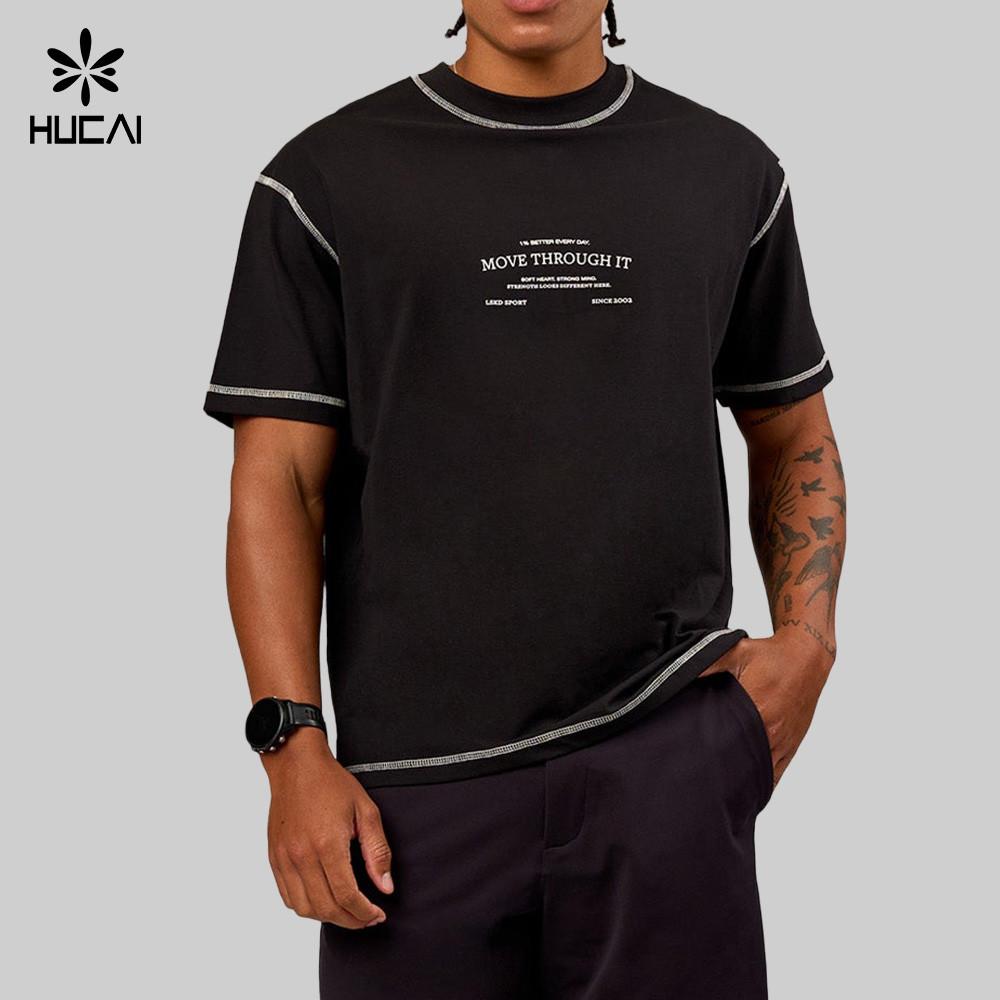
- Not oversized: The drop-shoulder, boxy trend common in US gym wear is less dominant in Nordic markets. Shoulder seams generally sit at or near the natural shoulder.
- Not compression-tight: Unless the piece is explicitly a base layer, the fit allows natural movement without squeezing.
- Clean silhouette: The garment follows the body's general shape without clinging or flaring. Sleeve lengths and inseams are precise. Extra fabric at the hem or cuff reads as sloppiness, not comfort.
Getting this fit right depends on pattern accuracy and size grading discipline. Our sample development process includes fit-review rounds with reference garments or measurement targets, with pattern adjustments tracked so that approved fit carries into bulk production without drift.
6. Packaging, Labeling and Brand Presentation That Matches the Aesthetic
The minimal commitment extends past the garment itself. Nordic brands often expect packaging and labeling to follow the same restraint.
- Woven or printed labels in tonal colors: Bright contrast labels are usually avoided. Care labels may be printed directly onto the garment interior to eliminate physical tags.
- Recycled or kraft packaging: Polybags are often replaced with paper-based alternatives. Hangtags, when used, are single-card, minimal typography, and restrained color.
- Consistent brand voice: The language on labels, care instructions, and packaging should match the quiet confidence of the product. Overstated claims or heavy marketing copy feel out of place.
HUCAI activewear supports label customization, packaging coordination, and care-content review so that the final delivery matches the brand's visual system from fabric to box.
Decision Check: Is Your Collection Ready for the Nordic Market?
If two or more items need revision, the development phase is the right time to align construction and finishing before bulk commitment.
Manufacturer Insight: What Often Gets Overlooked
A common early-stage issue we see in minimal collection development is treating restraint as a cost-saving decision rather than a design system. Brands remove features without replacing them with construction precision, and the result is a garment that looks plain rather than minimal.
The difference shows up in:
- Pattern accuracy: A minimal tee with a slightly off shoulder line or a hem that waves reads as cheap, not intentional. Pattern precision becomes more visible when there are no graphics or heavy seams to distract the eye.
- Dye consistency: With muted colors, variation is more noticeable than with bright or patterned fabrics. Dye lot control and bulk color confirmation become critical.
- Trim quality: A low-quality zipper or a drawcord that frays quickly destroys the minimal impression faster than it would on a heavily branded garment. In minimal design, every exposed element is under more scrutiny.
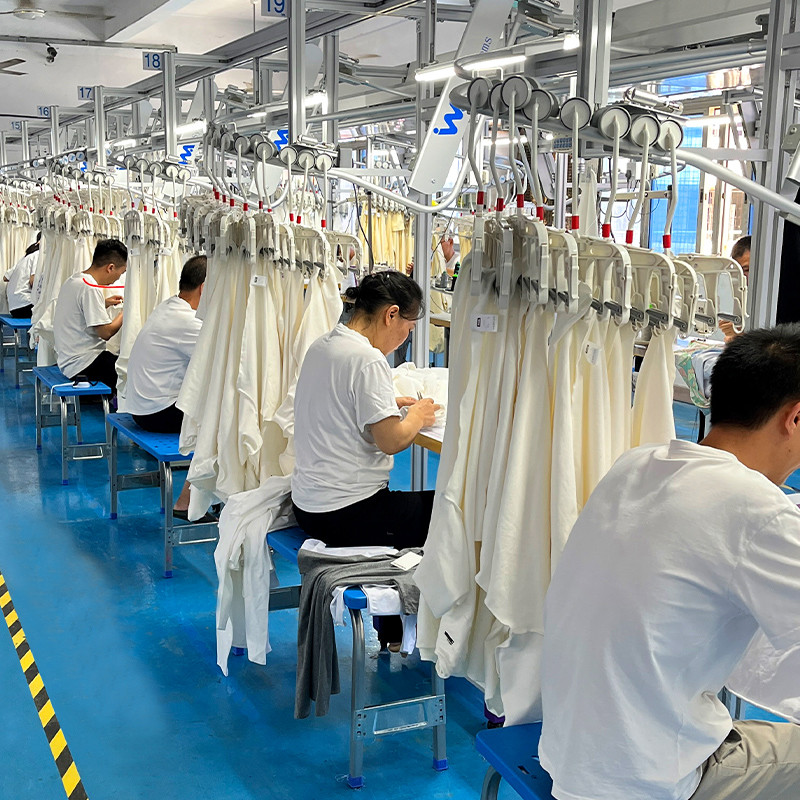
HUCAI activewear addresses these risks through pre-production review, sample-to-bulk consistency checkpoints, and AQL 2.5 quality inspection that focuses on the construction details Nordic buyers notice first.
FAQ
What is the MOQ for a minimal men's activewear collection?
MOQ depends on fabric type, color count, size range, and customization level. For many growing brands, MOQ starts from 100 pieces per style. Minimal collections that share fabric across multiple styles can sometimes consolidate fabric orders to improve minimums.
Can you develop samples if we only have reference images and a mood board?
Yes. We work with reference images, competitor samples, and mood boards to develop first-round samples. For minimal collections, we focus the first sample round on construction clarity, fit precision, and fabric handfeel so you can evaluate direction before detailed revisions.
Do we need a full tech pack before starting OEM development?
A complete tech pack speeds up sampling, but it is not required to start the conversation. For ODM support, we can help define measurements, construction details, and fabric direction based on your target aesthetic and market.
How do you control color consistency across a collection?
We coordinate fabric dyeing by collection group where possible, using the same dye lot for pieces intended to match. For bulk production, we run lab-dip approvals and bulk color confirmations before cutting. Muted and neutral tones receive the same color-matching protocol as brighter shades.
What affects the handfeel of performance fabrics for Nordic markets?
Fiber composition, knitting structure, brushing or peaching treatment, and finishing processes all affect handfeel. Nordic buyers often prefer a matte, soft-touch surface over high-sheen synthetics. We guide fabric selection based on your handfeel target and seasonal needs.
How do you ensure sample fit matches bulk production?
Approved samples become the production standard. Pattern files, measurement sheets, and construction notes are transferred to the bulk production line. Pre-production review confirms that pattern, measurements, and seam specifications match the approved sample before bulk cutting begins. MES tracking follows the order through production stages.
What labeling and packaging options do you support for minimal brands?
We support woven labels, printed labels, heat-transfer labels, and tagless printing. Packaging options include polybags, kraft paper bags, and custom boxes. Label content, placement, and packaging direction are confirmed during the sample development phase.
How long does sample development usually take for a minimal collection?
Sample timing depends on fabric sourcing, pattern work, revision rounds, and trim availability. A typical first sample round for a focused minimal collection takes several weeks. Subsequent revision rounds are usually shorter once fabric and pattern direction are confirmed.
Final Takeaway
Nordic brands do not buy minimal men's activewear because it is simple. They buy it because it is disciplined. The restraint in color, construction, and branding forces every visible detail to justify its presence. For growing brands, this means development needs to be more precise, not less effort.
Working with a manufacturer that understands this distinction matters. HUCAI activewear supports minimal collection development through fabric curation, pattern precision, dye-lot coordination, and quality checkpoints that protect the quiet consistency these markets expect.