When Aesthetic Decisions Collide with Sportswear Engineering
- Share
- publisher
- 然
- Issue Time
- Jan 30,2026
Summary
In activewear and sportswear manufacturing, aesthetic decisions often fail not in design—but when they are translated into engineering systems too late.
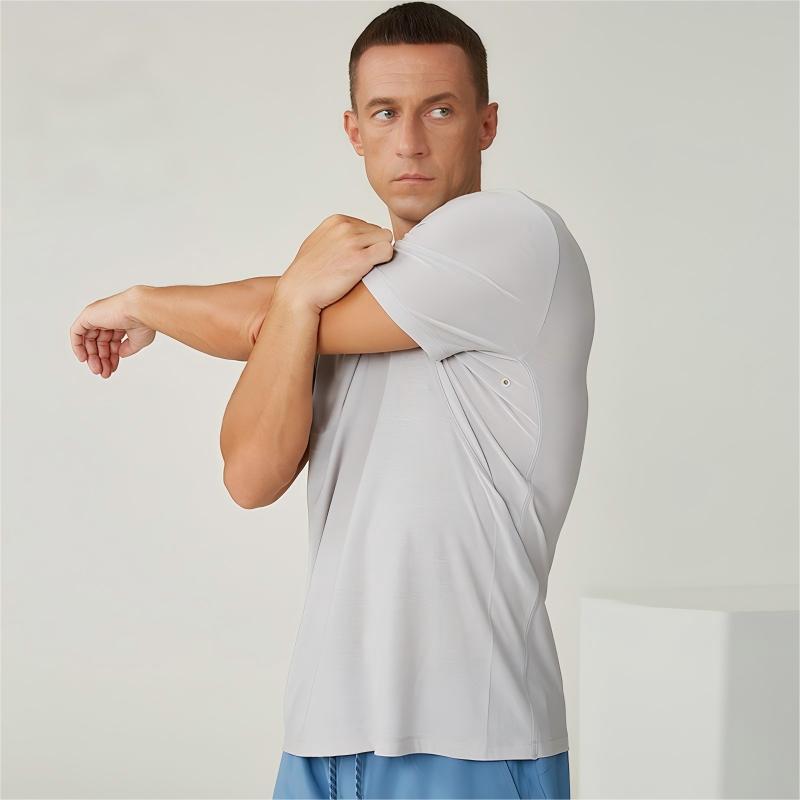
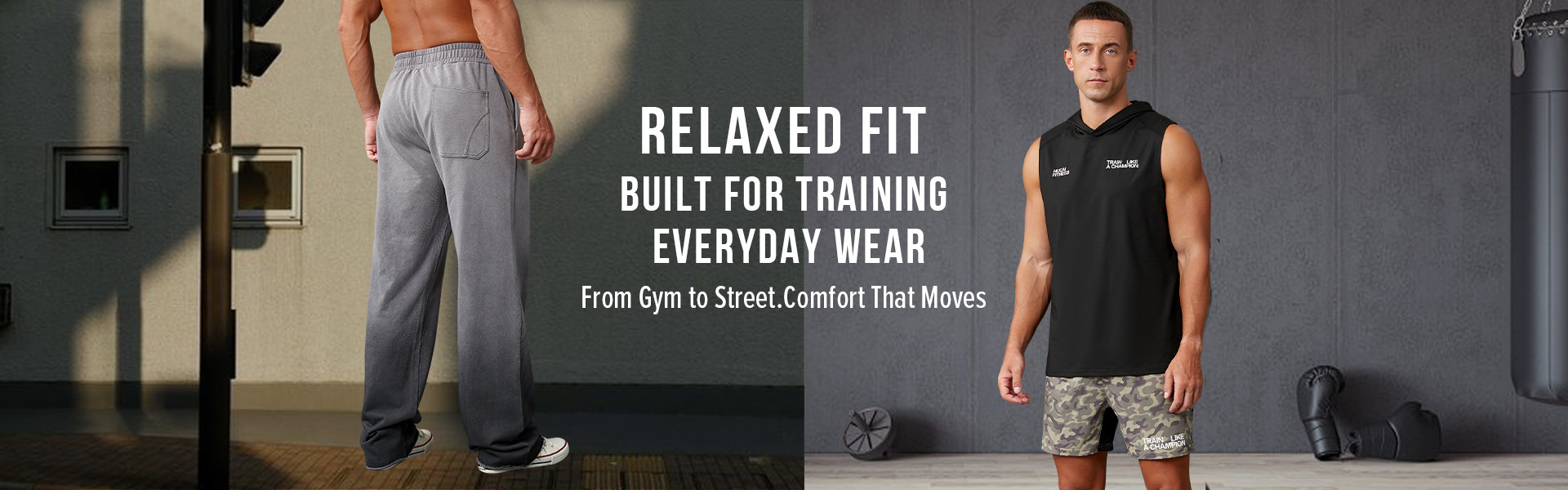
Aesthetics Don’t Enter Production as Ideas—They Enter as Variables
In activewear and sportswear design, aesthetic decisions are rarely abstract. They define how a garment should look, feel, and emotionally resonate on the body.
Engineering does not process emotion. It processes variables.
Once a design moves into production, visual intentions are translated into measurable elements: seam tension, fabric recovery, stretch direction, and panel geometry. This translation is unavoidable—and necessary. But it is also where meaning can shift.
When aesthetic decisions arrive late, engineering no longer reads them as intent. It reads them as constraints that must be absorbed within systems already optimized for stability.
Why “Small” Aesthetic Adjustments Carry Large Engineering Consequences
In women’s activewear and sportswear, aesthetic refinement often continues deep into development. A slightly higher waistline, a cleaner seam path, or a more sculpted silhouette may appear minor in isolation.
In engineering terms, none of these changes are small.
They alter stretch paths, pressure distribution, and construction balance. They change how fabric behaves under motion and how seams carry load. When such decisions are introduced after engineering assumptions are set, the system compensates rather than recalculates.
Compensation preserves feasibility, not intention.
Where Engineering Should Support Aesthetics—Not Contain Them
Brands that succeed in activewear and sportswear treat engineering as an early collaborator, not a late validator. Aesthetic intent is examined alongside material behavior and construction logic before execution begins—not after.
At HUCAI, aesthetic decisions are translated once, fully, and early. Engineering does not reinterpret beauty under pressure; it protects it through structure. This alignment ensures that what looks refined in design remains consistent in production.
Engineering does not diminish aesthetics. When integrated correctly, it is what makes aesthetics reproducible.
A More Useful Question for Design Teams
Instead of asking whether an aesthetic change is minor, ask:
If this decision becomes an engineering variable today, will it still express the same visual intent?
In activewear and sportswear, the answer often determines whether a design scales—or quietly transforms.
Welcome
Thank you for reading.
To learn how aesthetic intent can be preserved through engineering-led activewear and sportswear manufacturing, visit https://www.hcactivewear.com/