Why Men's Activewear Feels Hot Even with “Breathable” Fabric
- Share
- publisher
- 然
- Issue Time
- Mar 17,2026
Summary
Breathable fabric in sportswear doesn't always feel cool. Fabric structure, GSM, moisture-wicking, and fit all affect heat retention in women's activewear.
Many brands highlight “breathable fabric” when developing women's sportswear , yet customers still complain that the product feels hot and uncomfortable.
From a sportswear manufacturer perspective, this is a common issue. The problem is not always the fabric itself—it's how breathability is understood.
👉 Breathable does not automatically mean cool.
To understand why some activewear still feels hot, you need to look beyond fiber type and focus on structure, moisture behavior, and garment design.
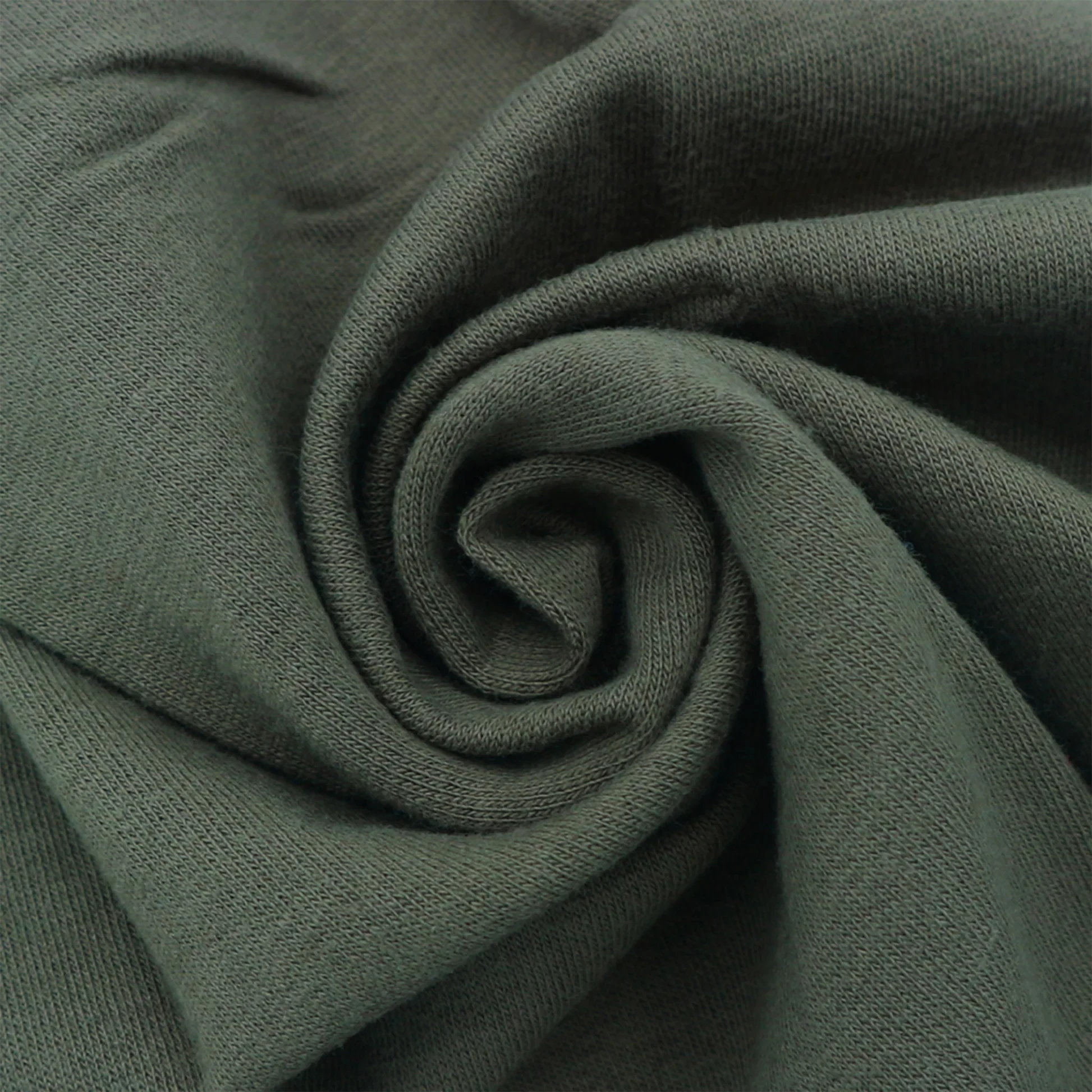
Breathability vs Moisture Management: Not the Same Thing
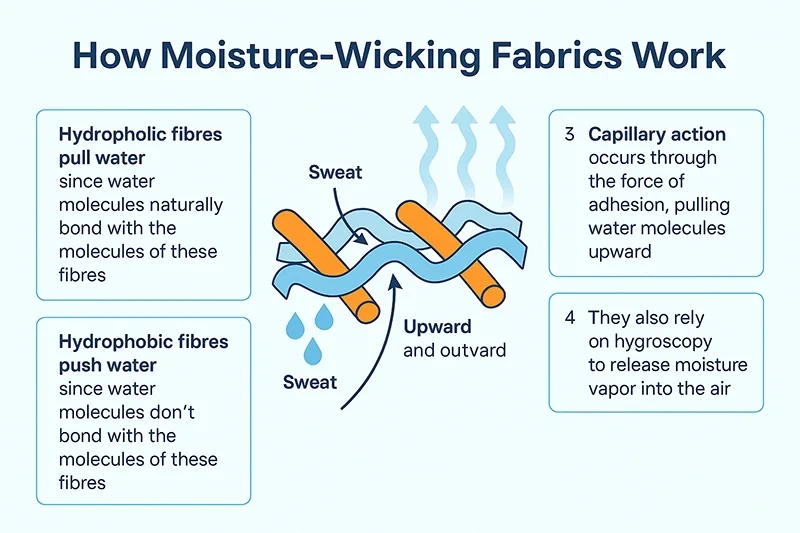
One of the most common misunderstandings in sportswear manufacturing is mixing up breathability and moisture-wicking.
Breathability
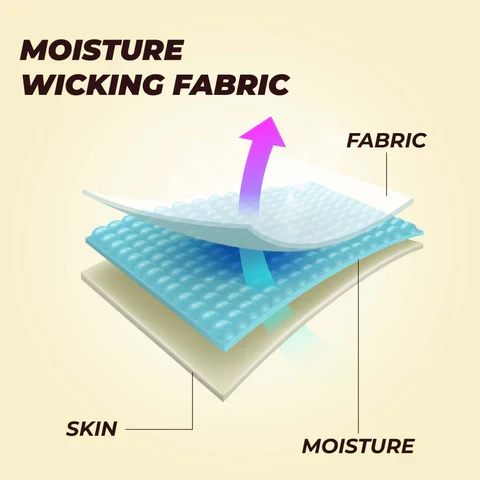
→ how easily air passes through the fabricMoisture-wicking
→ how efficiently sweat is moved away and evaporatedA fabric can allow airflow but still trap moisture.
👉 When sweat stays on the skin:
-humidity increases
-heat builds up
-the garment feels hotter
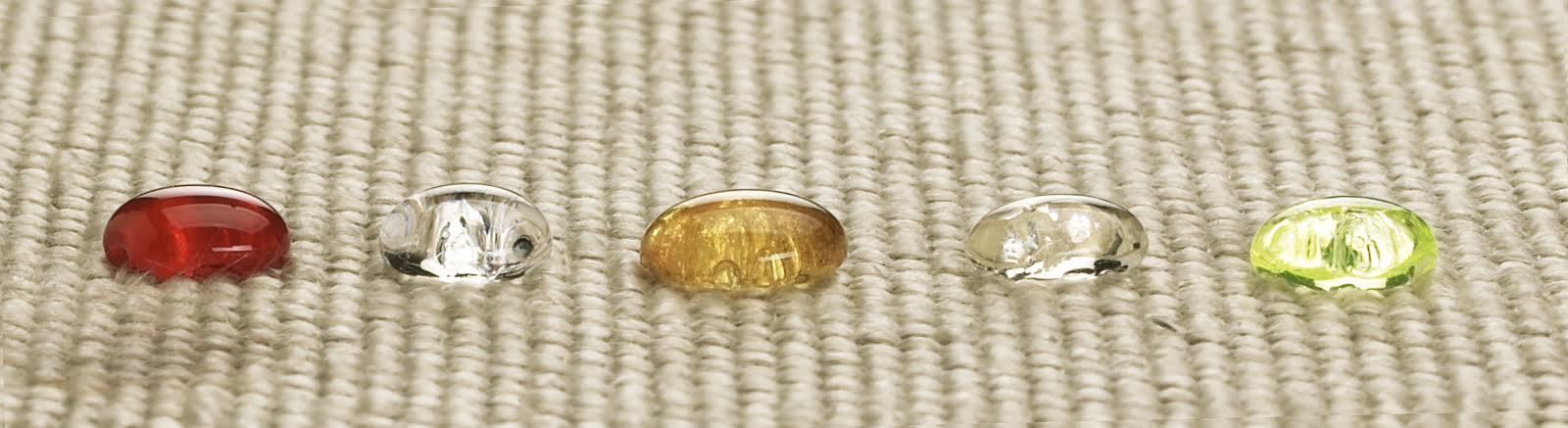
Fabric Structure Matters More Than Fiber Content
Even with the same material (like polyester), users experience can be totally different due to fabric structure.
Dense knit / high GSM fabric
→ limited airflow → more heat retention
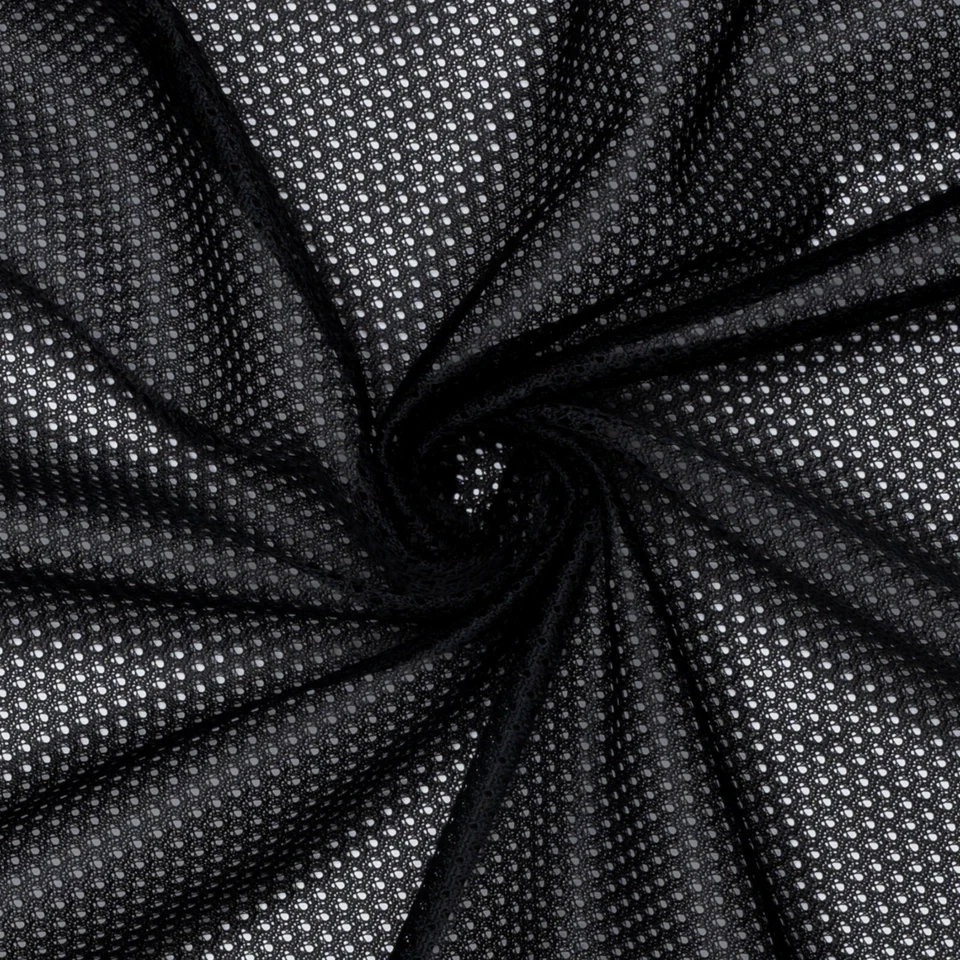
Open structure / mesh panels
→ better ventilation → cooler feel
👉 This is why two polyester fabrics can feel completely different in real use.
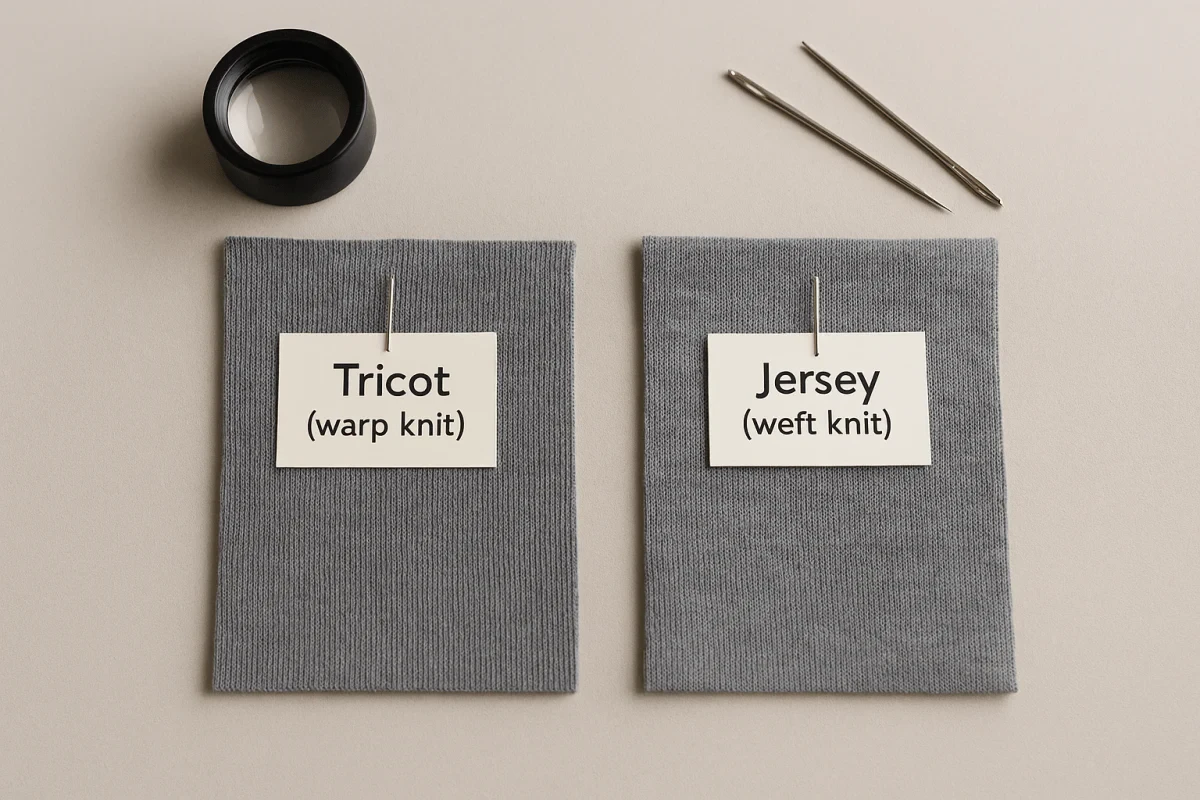
High GSM Can Trap Heat
GSM (fabric weight) plays a direct role in temperature perception.
Higher GSM fabrics:
-are thicker
-absorb more heat
-release heat more slowly
👉 In spring and summer , even a “breathable” fabric can feel hot if it is too heavy.
Tight Fit Reduces Heat Dissipation
Modern women's yoga wear often includes high spandex content for compression and shaping.
But tighter garments:
-reduce airflow between skin and fabric
-limit heat escape
-increase perceived warmth
👉 The closer the fabric sits on the skin, the more important moisture management becomes.
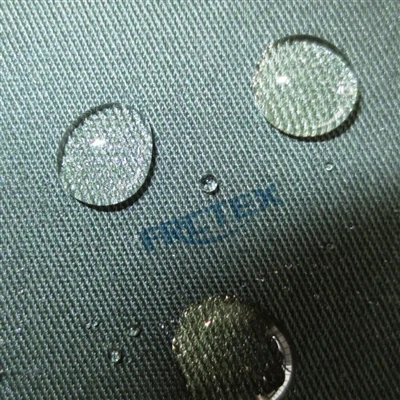
Color and Finishing Also Affect Heat
Two often overlooked factors:
-Color
-Dark colors absorb more heat
-Light colors reflect heat
-Finishing
Some treatments (like coatings or heavy softeners) can:
-block airflow
-reduce actual breathability
👉 So even if the base fabric is breathable, finishing can change the result.
Garment Design Plays a Bigger Role Than Expected
Even with the right fabric, poor design can trap heat.
Examples:
-fully closed, tight silhouettes
-no ventilation zones
-lack of mesh paneling
Better designs often include:
-strategic mesh panels
-airflow zones
-balanced fit
👉 In many cases, heat is a design issue—not just a fabric issue.
Activewear can feel hot even when labeled as breathable because cooling depends on more than just airflow.
Fabric structure, GSM , moisture management, fit, and design all work together.
👉 The real goal in sportswear manufacturing is not just breathability, but heat and moisture balance.
FAQ
Why Does Breathable Fabric Still Feel Hot?
Because breathability only refers to airflow, not how sweat is managed or how heat is released.
Does Thicker Fabric Always Feel Hotter?
Generally yes. Higher GSM fabrics retain more heat and reduce cooling efficiency.
How Can Activewear Be Made Cooler?
By combining moisture-wicking fabrics, lighter GSM, better fit, and ventilation design such as mesh panels.
How to contact us
➡️ Contact HUCAI today for your custom outerwear solution and connect with a team committed to premium quality and authenticity.