Why More Sportswear Brands Are Reducing Seam Lines
- Share
- publisher
- ran
- Issue Time
- Mar 31,2026
Summary
In sportswear manufacturing, reducing seam lines helps minimize friction during movement. Advances in activewear fabrics now allow sportswear manufacturers to simplify construction while maintaining comfort and durability.

During a long-distance run or an intense gym session, athletes rarely notice their clothing—until something starts rubbing against the skin. A seam placed in the wrong position can become a constant source of friction, especially when sweat and repeated motion are involved.
This is one reason many modern activewear brands are redesigning garments with fewer seam lines. Instead of relying on multiple stitched panels, designers increasingly prefer simplified constructions that reduce friction points while still maintaining structural support. The shift reflects a broader change in sportswear manufacturing, where comfort and mobility are becoming as important as durability.
Seams as Friction Points During Movement
In sports science research, skin irritation caused by clothing friction is often referred to as exercise-induced chafing. Studies published in sports medicine journals have shown that repeated skin–fabric friction during running or endurance training can lead to irritation, particularly in areas such as the underarm, shoulder, and inner thigh.
These areas correspond closely with common seam placements in traditional sportswear. During activities like running or weight training, garments shift continuously across the body. When seams are present in high-motion areas, they can amplify friction between the garment and the skin.
Research examining running apparel has found that reducing seam contact in high-friction zones can significantly improve perceived comfort during long-duration exercise. This is why many men’s activewear designs now aim to place seams away from areas where repetitive motion occurs.
Why Traditional Sportswear Used More Seams
Historically, seams played an important structural role in sportswear manufacturing. Many older performance garments relied on panel construction because the fabrics themselves lacked the structural stability required to maintain shape.
For example, early performance shirts often used several fabric panels across the chest and back. These panels helped control stretch and allowed designers to shape the garment more precisely. In essence, seams acted as structural reinforcement.
However, this construction approach also meant that athletes frequently experienced seams in areas where the body moved most. While functional, the design sometimes compromised comfort during prolonged activity.
How Fabric Engineering Is Changing Garment Construction
Recent advances in activewear fabric engineering have made it possible to reduce the number of seams without sacrificing garment stability. Modern knit structures such as interlock knits and double-knit constructions provide greater dimensional stability compared with earlier lightweight fabrics.
These fabrics can stretch while still maintaining their shape, allowing designers to simplify garment patterns. Instead of relying on multiple stitched panels, a single engineered fabric structure can support the entire garment.
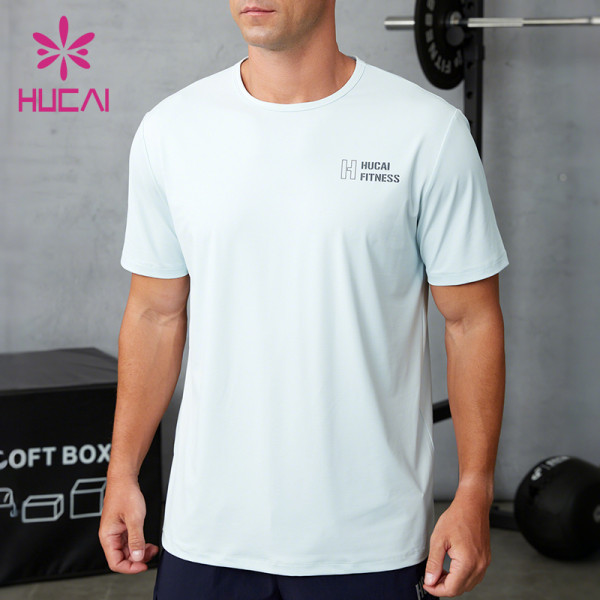
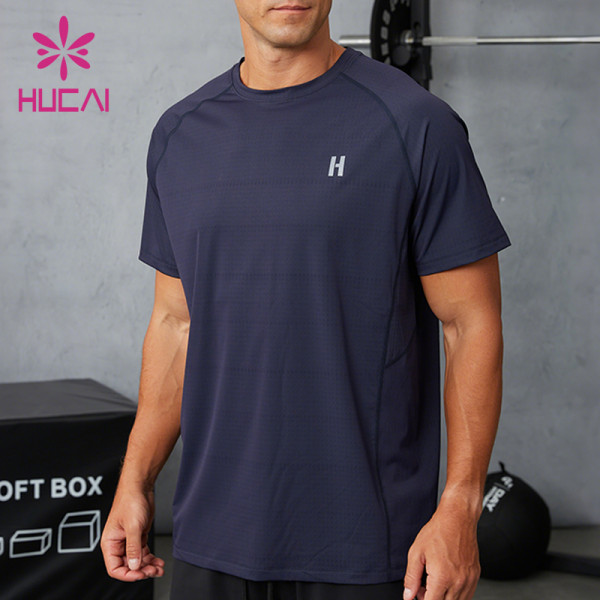
As a result, many sportswear manufacturers now produce training tops and running shirts with fewer seams and larger continuous fabric panels. This construction reduces friction while maintaining flexibility and durability.
A Manufacturing Advantage: Fewer Seams, Fewer Error Points
Reducing seam lines also has practical implications for sportswear manufacturing. Every seam requires a separate sewing operation, and each operation introduces potential variation in alignment, tension, or finishing.
By simplifying garment construction, manufacturers can reduce the number of sewing steps required for each product. This can improve production stability and reduce the likelihood of quality inconsistencies across large production runs.
For sportswear manufacturers , fewer seams therefore represent both a comfort improvement and a manufacturing advantage.
The growing preference for fewer seam lines reflects a shift in how modern activewear is designed. As athletes demand greater comfort and mobility, garment construction is becoming simpler while fabric engineering becomes more advanced.
Instead of relying on multiple structural seams, modern sportswear manufacturing increasingly depends on engineered fabrics that can provide stability and stretch within a single textile structure. The result is apparel that feels lighter, moves more naturally with the body, and performs better during training.
FAQ
Why Are Activewear Brands Reducing Seam Lines?
Many brands reduce seam lines to minimize friction during movement and improve comfort in activewear garments.
Do Fewer Seams Make Sportswear Less Durable?
Not necessarily. Advances in activewear fabric engineering allow garments to maintain durability even with fewer structural seams.
Are Seamless Designs Better For Athletes?
In many cases, yes. Reducing seams in high-friction areas can help prevent chafing and improve comfort during long workouts.
How to contact us
➡️ Contact HUCAI today for your custom outerwear solution and connect with a team committed to premium quality and authenticity.