Why December Is the Best Time for Sportswear Brands to Reorder: Lead Time, MOQ, Cost & Inventory Strategy
- Share
- publisher
- sunny
- Issue Time
- Dec 5,2025
Summary
Why December is ideal for activewear brands to reorder and secure faster delivery for Q1 demand.
Why December Is the Best Time for Sportswear Brands to Reorder
For premium activewear brands, December is more than a holiday sales month—it is a critical period for managing inventory, capturing Q1 demand, and securing production capacity before factories enter the busiest quarter of the year. With holiday gift purchases, winter fitness needs, and early New Year training trends overlapping,December naturally amplifies the sell-through of core products such as brushed leggings, essential sports bras, men's performance tees, hoodies, and everyday athleisure sets. When these items sell faster than expected, brands often need quick replenishment to avoid missing January's surge in consumer activity.
Placing replenishment orders in December helps brands prevent stockouts during the crucial New Year fitness boom. January consistently ranks among the strongest months for activewear sales, but factories and fabric mills are also at their maximum load. Waiting until January often results in longer queue times, slower sampling, delayed trim allocation, and higher logistics pressure. December, by contrast, still offers more flexible production schedules, smoother raw material allocation, and faster access to bonding, stitching, and finishing lines—allowing brands to secure earlier delivery windows with significantly less risk.
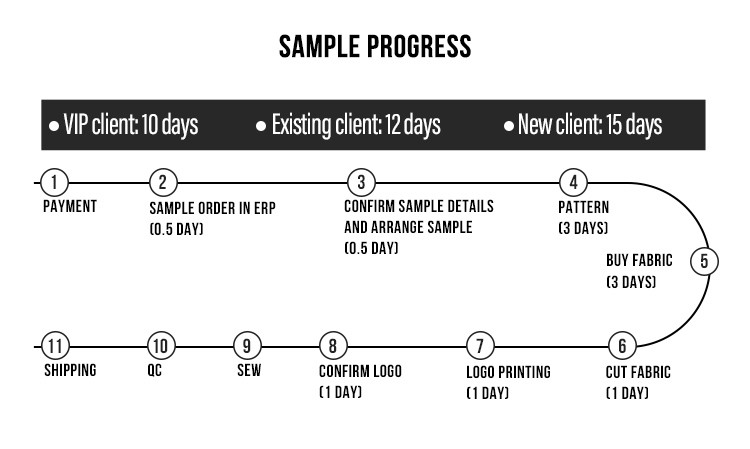
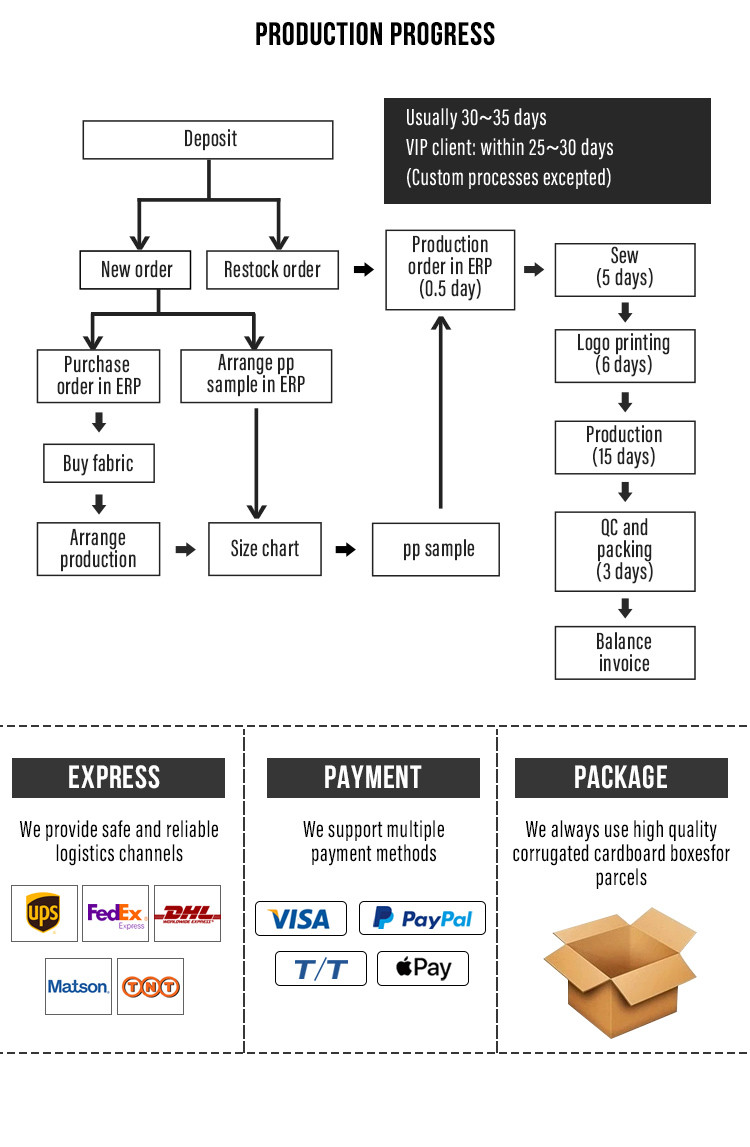
Lead time is one of the biggest advantages of December production. Before the Q1 rush, manufacturers typically have more available lines for quick cutting, mixed-size batches, small-batch knitting, and rapid logo applications such as silicone, reflective, or embroidery. Even pattern adjustments and grading can be executed faster because development teams are not yet overloaded. This time advantage alone can accelerate delivery by two to three weeks, a margin that directly translates to stronger January performance for brands.
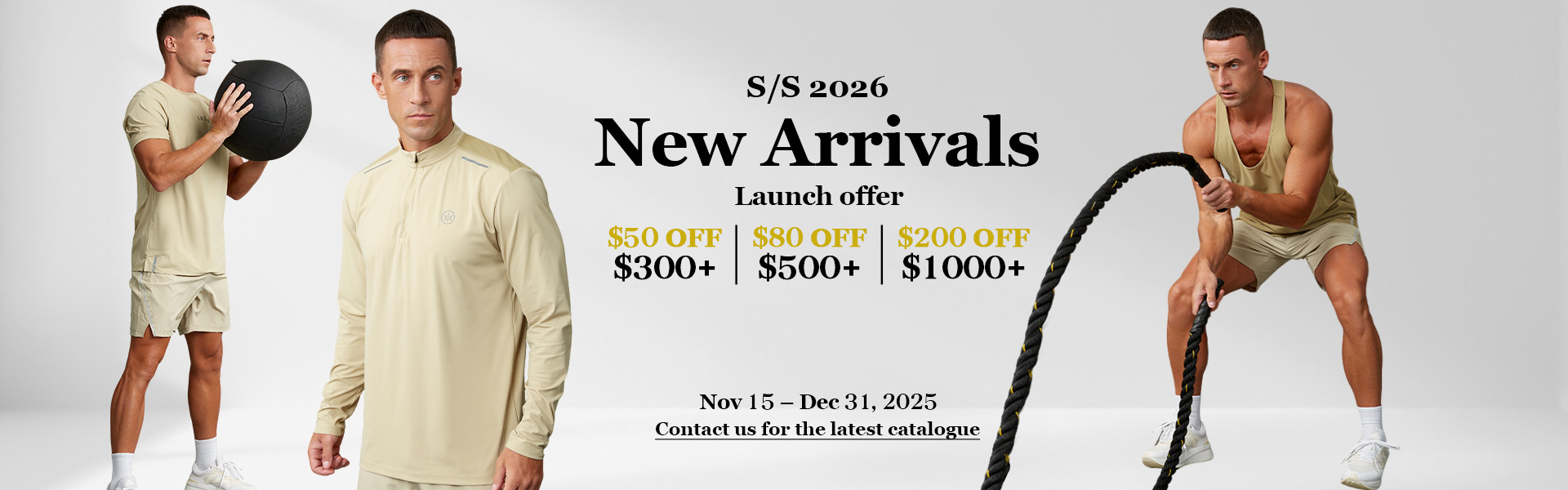
December also provides ideal conditions for small-batch replenishment. Many brands prefer flexible quantities at the end of the year—especially when testing holiday color drops, adjusting size ratios based on real-time sell-through, or restocking high-demand SKUs without committing to larger inventories. Factories can often support these smaller orders more easily in December because machine resources, QC lines, and cutting capacity are more available than during Q1. This helps brands balance inventory investment while staying responsive to market demand.
From an inventory strategy perspective, December ordering also enables brands to combine replenishment needs with early development of upcoming Spring/Summer collections. This reduces logistics cost, minimizes repeated QC cycles, and allows brands to finalize color cards, fabric selections, or size specifications ahead of competitors. By analyzing holiday sales patterns—such as bestselling silhouettes, color performance, or size distribution—brands can fine-tune their Q1–Q2 launch plans and make better development decisions for the next season.
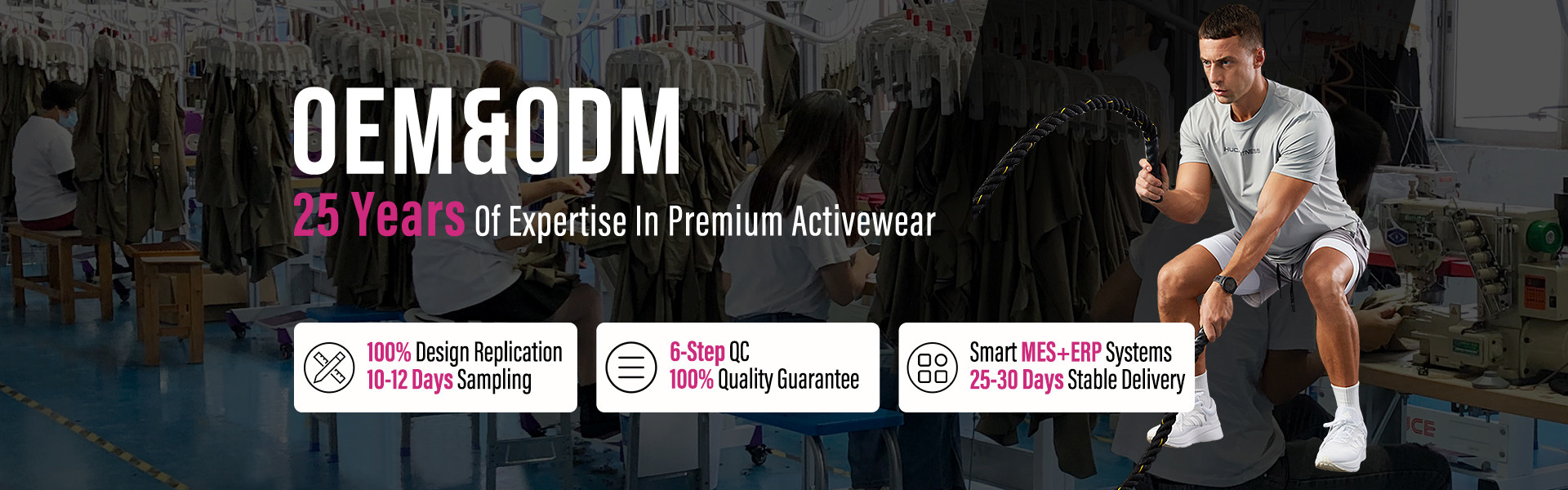
To support this fast and flexible workflow, activewear brands often rely on manufacturers that maintain pre-tested essential fabrics, digital pattern libraries, MES-driven production visibility, and consistent AQL-based quality control. These capabilities ensure that even small replenishment orders meet the same standards as full seasonal production, without compromising bulk stability.
If you're preparing December replenishment or securing Q1 production slots, HUCAI offers fast development, flexible MOQs, stable delivery schedules, and premium fabric options to support high-end brands.