How Running Brands Select Lightweight & Quick-Dry Fabrics Sportswear for Winter Training
- Share
- publisher
- sunny
- Issue Time
- Dec 8,2025
Summary
How running brands choose lightweight and quick-dry fabrics for high-performance winter training apparel.
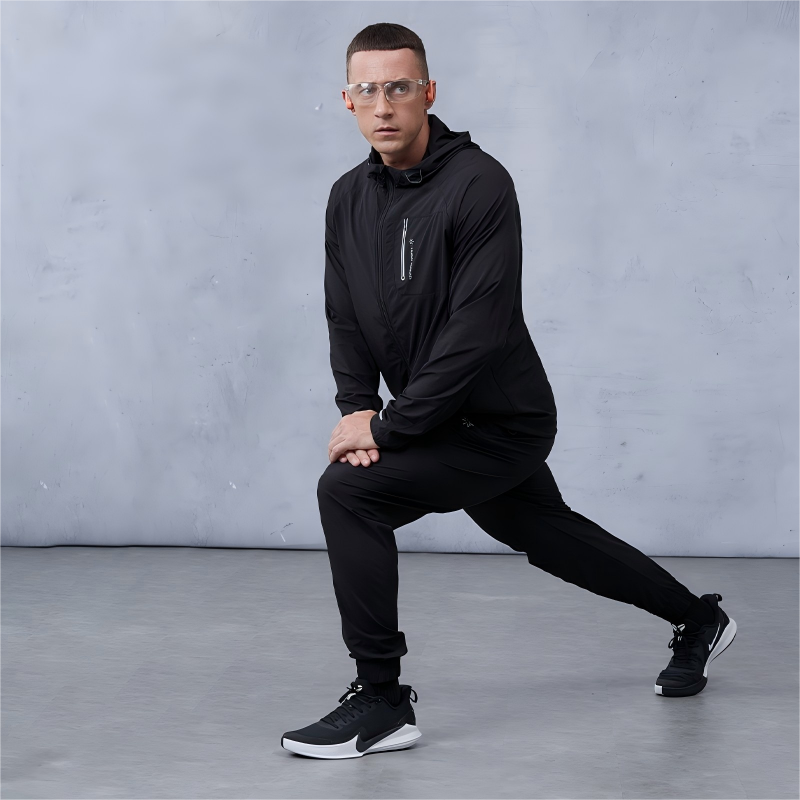

Winter running apparel requires a much more technical combination of warmth, dryness, breathability, and weight balance compared to summer products. For high-end European and North American running brands, the key challenge is finding fabrics that keep runners warm without adding bulk, and dry without trapping sweat. Selecting the right mix of lightweight and quick-dry materials is therefore essential for building competitive winter running lines.
1. Why Winter Running Requires Special Fabric Engineering
Winter runners face both temperature drops and increased sweat evaporation, making fabric selection extremely critical. A winter running top or bottom must stay light enough for speed, warm enough for stability, and efficient enough to move moisture away from the skin. High-end brands therefore look for fabrics that combine:
-Lightweight structure
-Thermal regulation
-Quick-drying behavior
-Breathability under movement
-Soft, smooth next-to-skin comfort
This balance is what differentiates advanced winter running apparel from general activewear.
2. Lightweight Polyester-Blended Fabrics Remain the Core Choice
Polyester-blended lightweight knits are the backbone of winter running tops and base layers. These fabrics deliver excellent moisture transport, fast drying, and stable performance across a wide temperature range. Their microfiber structure disperses sweat quickly and maintains low fabric weight even when damp. For brands developing winter running collections, these materials are ideal for long-sleeve tops, half-zips, and performance tees with reflective elements.
3. Quick-Dry Interlock & Mesh Structures for Temperature Control
Interlock fabrics offer a smooth surface and denser structure while maintaining breathability, making them suitable for layered running tops. The fabric's ability to wick moisture away from the skin keeps runners dry even during high-intensity training. Meanwhile, strategic use of breathable mesh—underarms, back panels, or side panels—helps regulate heat without compromising winter coverage. These engineered zones improve comfort and reduce the chill from accumulated sweat.
4. Brushed Lightweight Fabrics for Cold Climates
When temperatures drop significantly, many running brands prefer lightly brushed fabrics rather than heavy fleece. Light brushing provides warmth and soft touch while keeping fabric weight low, which preserves speed and mobility. This type of fabric is commonly used in winter running leggings because it retains warmth without restricting stride length. Its quick-drying behavior also prevents dampness during longer-distance sessions.
5. Stretch-Woven Fabrics for Wind-Resistant Running Bottoms
Stretch-woven fabrics have become increasingly important for winter performance running. Their tighter structure blocks wind and offers water resistance while remaining lightweight. These fabrics maintain their shape during repeated impact and provide stability for long-distance running. Many brands incorporate stretch-woven overlays on thighs, hips, and calves to enhance protection while keeping inner layers soft and breathable.
6. What High-End Running Brands Evaluate Before Finalizing Fabrics
Before selecting a fabric for their winter running collection, brands typically evaluate:
-Moisture-wicking speed (how fast sweat is pulled away)
-Drying time (critical for cold-weather comfort)
-Thermal performance (warmth-to-weight ratio)
-Air permeability (breathability under movement)
-Handfeel and stretch (comfort during repetitive motion)
-Reflective logo compatibility (for night running safety)
These criteria ensure that the final garment supports consistent performance across varying winter climates.
Winter running apparel must deliver lightweight warmth, fast moisture management, and breathable comfort—all without sacrificing movement or drying speed. Fabrics such as polyester blends, quick-dry interlock, engineered mesh, lightly brushed knits, and performance stretch-woven materials remain essential for high-end running collections. By choosing the right materials, brands can design winter running apparel that supports performance, safety, and comfort in cold-weather conditions.
Planning a winter running collection?